Creating Her Own Path: An Aspiring Agriculture Teacher’s Perspective
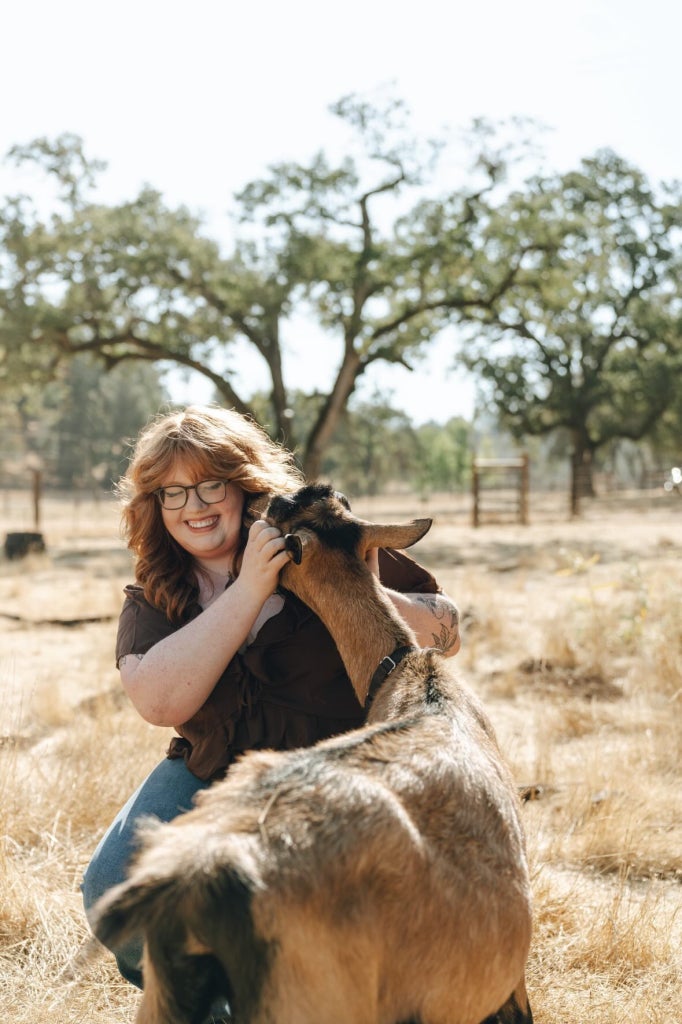
When Bailey Ham first entered agricultural education, she didn’t come from a farming background. She wasn’t raised in agriculture, didn’t grow up showing livestock and she didn’t have generations of experience to guide her. Yet, today she is pursuing a career as an agriculture educator after earning state and national honors, coaching championship teams and dedicating years to helping students discover their own place in agriculture.
For Ham, the journey began with a simple willingness to learn.
Throughout high school, she immersed herself in every opportunity she could find. She served as both a chapter and section officer, competed in leadership and career development events ranging from parliamentary procedure and extemporaneous speaking, to agricultural sales and agricultural communications, and consistently placed among the top competitors in California.
One of her proudest accomplishments came through an experience she built entirely on her own. Despite having no previous agricultural background, Ham independently managed a dairy goat herd and earned the state proficiency title for goat production. The achievement represented far more than a competitive award; it was proof that dedication and hard work could overcome a lack of experience.
“It showed me that you don’t have to come from an agricultural background to be successful in agriculture,” Ham wrote.
Her perspective as someone entering agriculture from the outside also inspired her award-winning research. Ham became the state champion in the agriscience fair social science category with a project examining consumer understanding of meat labels. The project reflected questions she herself once had as someone unfamiliar with the industry, and demonstrated her passion for bridging the gap between agriculture and the public.
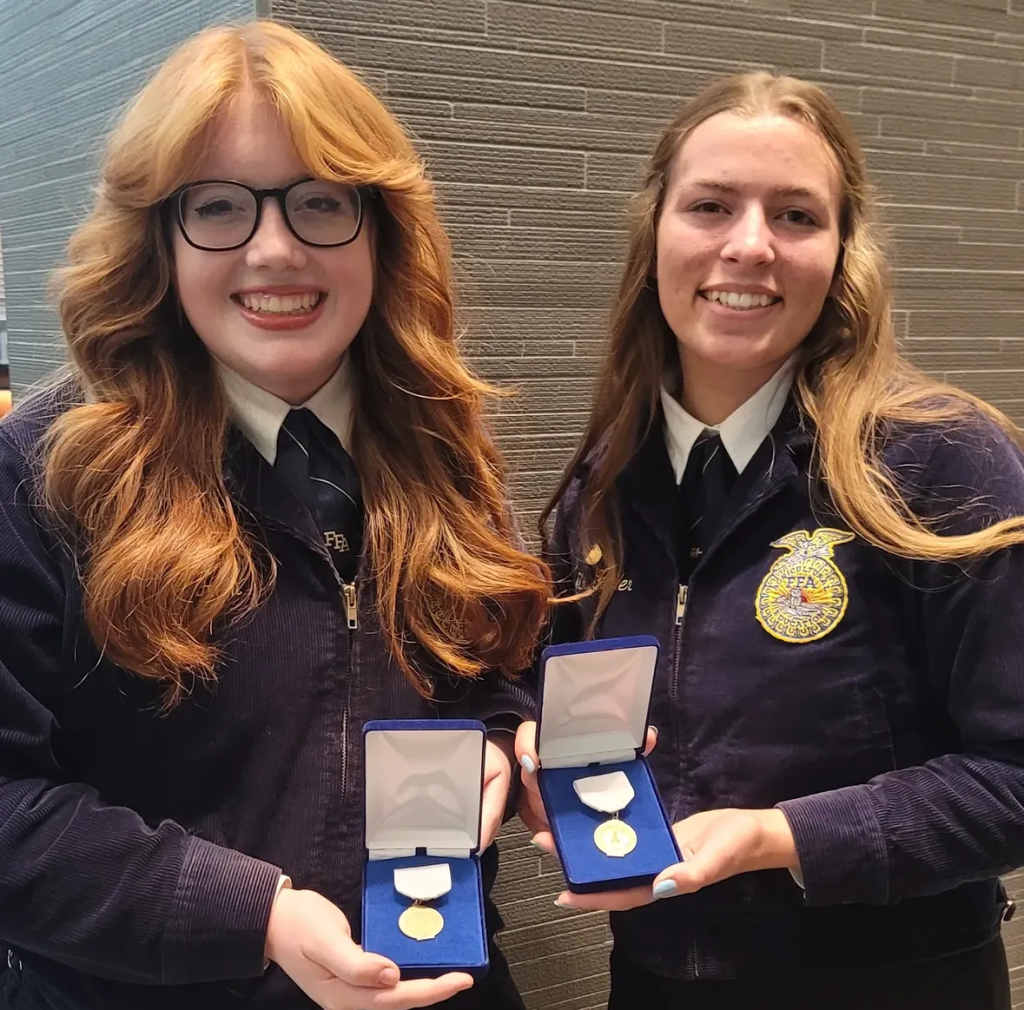
Bailey Ham and Molly Fowler holding their medals after placing third at nationals in National FFA Agriscience Fair Social Science Division VI.
Yet, even with her growing list of accomplishments, Ham admits there was a time when she struggled to feel like she belonged.
“I really struggled for a while to feel like I belonged in agriculture, but having teachers that emphasized diverse SAEs and representation in FFA really helped me,” she explained.
Those experiences helped Ham realize something important: if agricultural education had created a place for her, she could help create that same sense of belonging for others.
That realization became the foundation for her future career.
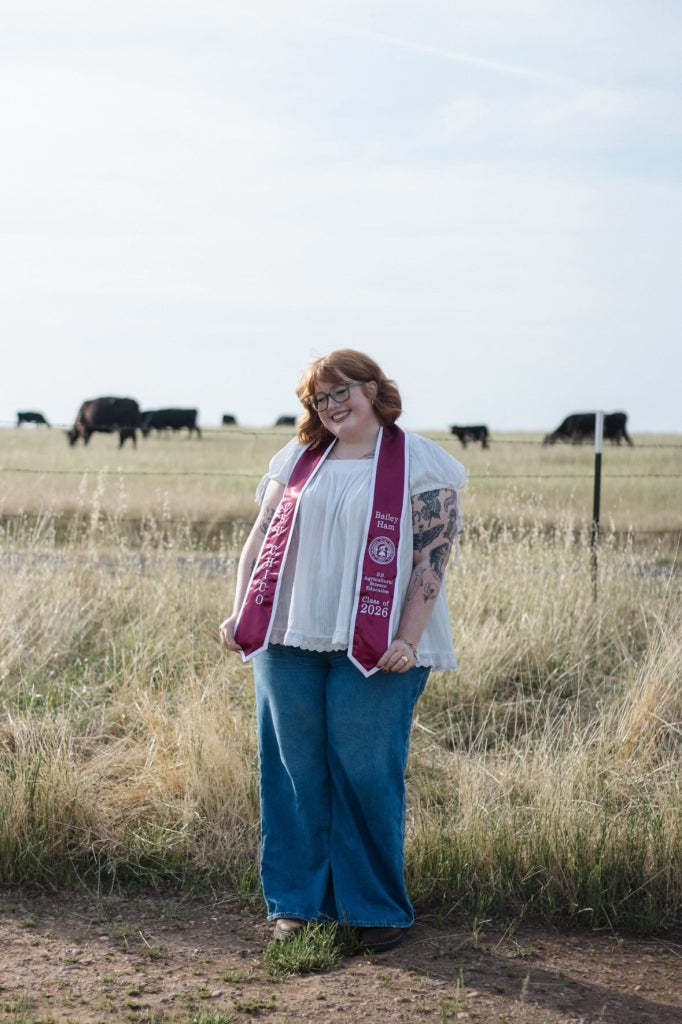
After graduating high school, Ham attended California State University, Chico as a Bell Presidential Scholar, a prestigious merit- and advocacy-based scholarship recipient. During her time there, she remained deeply involved in agricultural education while earning a Bachelor of Science in Agricultural Science and Education, graduating Cum Laude.
She served for two years as a Greenhand Leadership Conference facilitator, helping introduce younger students to agricultural education and leadership. She also spent two years as the assistant to the Superior Region FFA advisor, helping coordinate competitions, support regional operations and gain firsthand experience with the behind-the-scenes work that keeps agricultural education programs running. Through this role, she developed an understanding of everything from professional development programs to grants and educational initiatives that support students and teachers across California.
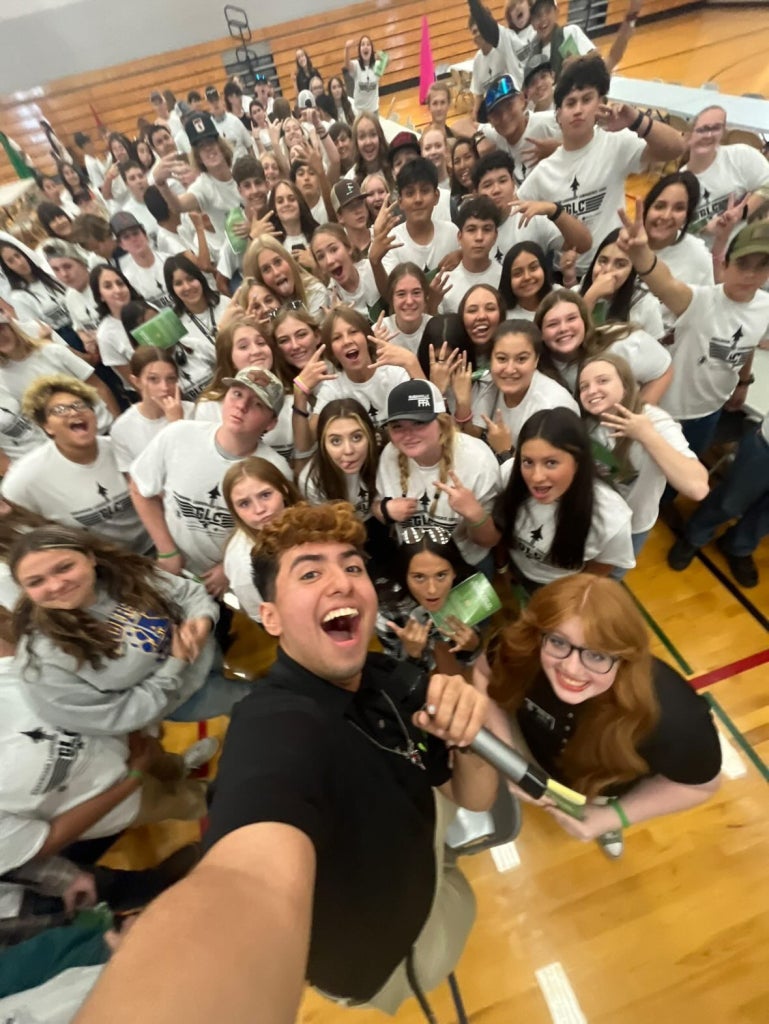
At the same time, Ham found herself continually returning to one place: the classroom.
Beginning her freshman year of college, she volunteered with Bear River High School’s FFA program, coaching both novice and advanced parliamentary procedure teams. What started as a volunteer opportunity quickly evolved into a passion for mentoring students.
Her impact was undeniable. Under her guidance, teams achieved both state and national championships, making Ham one of the youngest coaches to lead a team to those honors.
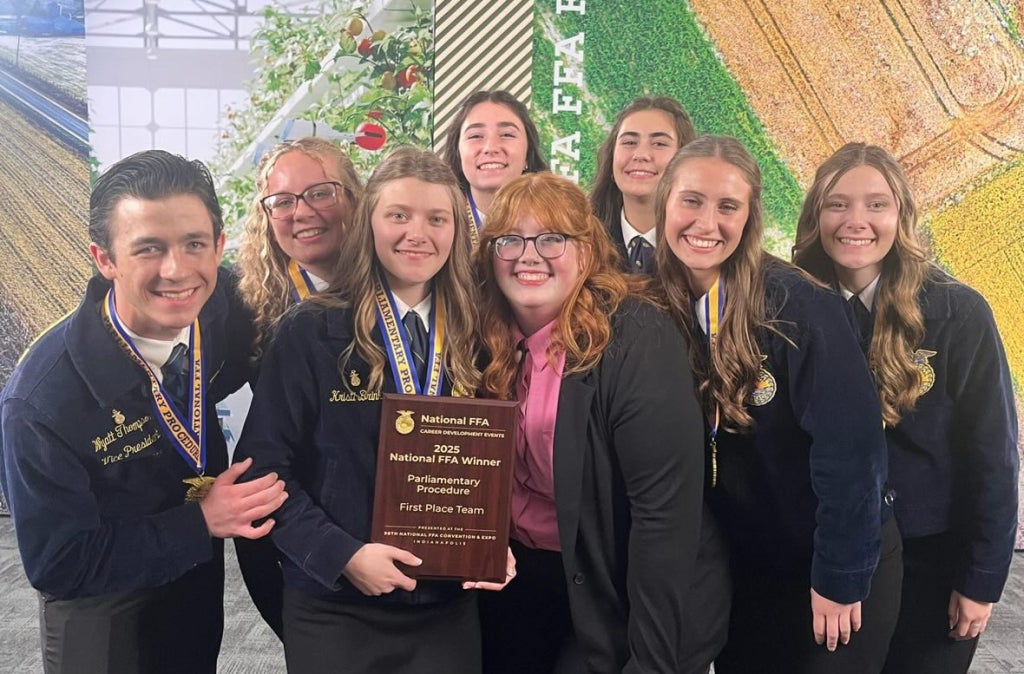
From left to right: Wyatt Thompson, Wendy Fowler, Kristi Brink, Dakota Graham, Bailey Ham, Malia Spotts, Audra Paasch and Katie Brink.
Whether facilitating workshops at the California FFA State Conference, supporting regional programs or coaching leadership teams, Ham discovered that her greatest reward came from helping students realize their own potential.
Today, she is continuing that mission as she pursues both a Single Subject Teaching Credential and a Master of Arts in Education at UC Davis.
When asked what advice she would give students, Bailey’s answer is simple: try everything. “There is so much agriculture has to offer, and always something more to learn,” she said.
Ham believes one of the greatest strengths of agricultural education is the flexibility provided by the three-circle model of classroom instruction, FFA, and SAE. Rather than forcing students into a single path, the model allows students to explore their interests and create experiences that fit their individual goals.
“The three-ring model lends itself to being ideal for diverse learners,” Ham said. “It’s almost like a choose-your-own-adventure in the way that so much of the experience is catered to the individual student.”
For Ham, that flexibility changed the course of her life. What began as a student searching for a place to belong became a journey filled with leadership, service, championships, research, and advocacy.
Now, as a future agriculture teacher, Ham hopes to instill that same willingness to learn in her own students. She hopes to create a classroom where every student feels welcomed, valued and empowered to explore the opportunities agricultural education has to offer, reminding us that “it is so important that ag ed cultivates an environment where all people are able to grow.”
Ham’s story serves as a reminder that there is no single path through agricultural education. For students willing to explore new opportunities, embrace challenges and continue learning, the possibilities are endless. Through her future classroom, Ham hopes to help the next generation of students discover that for themselves.