The Spicy Side of Southwestern Agriculture
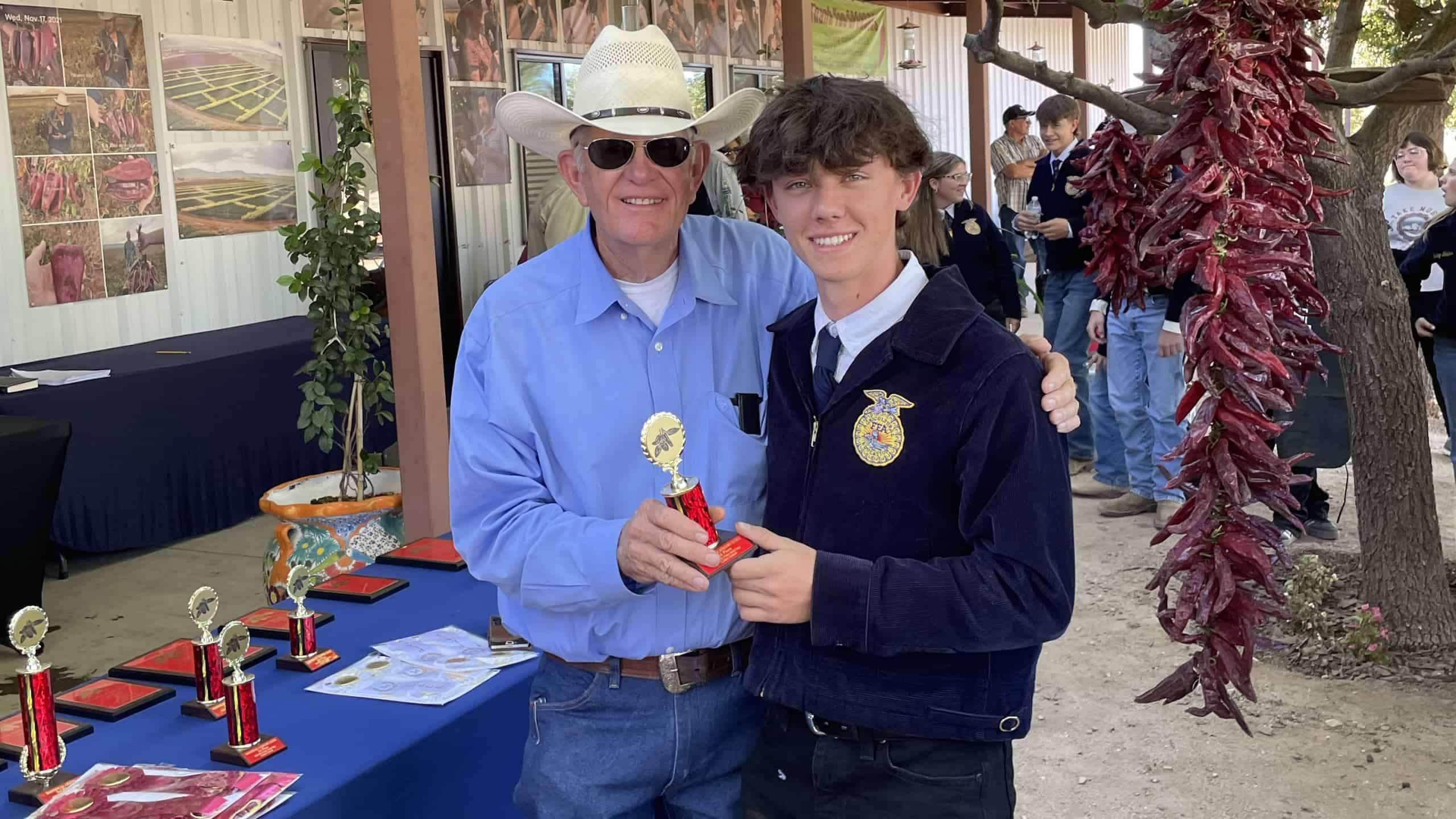

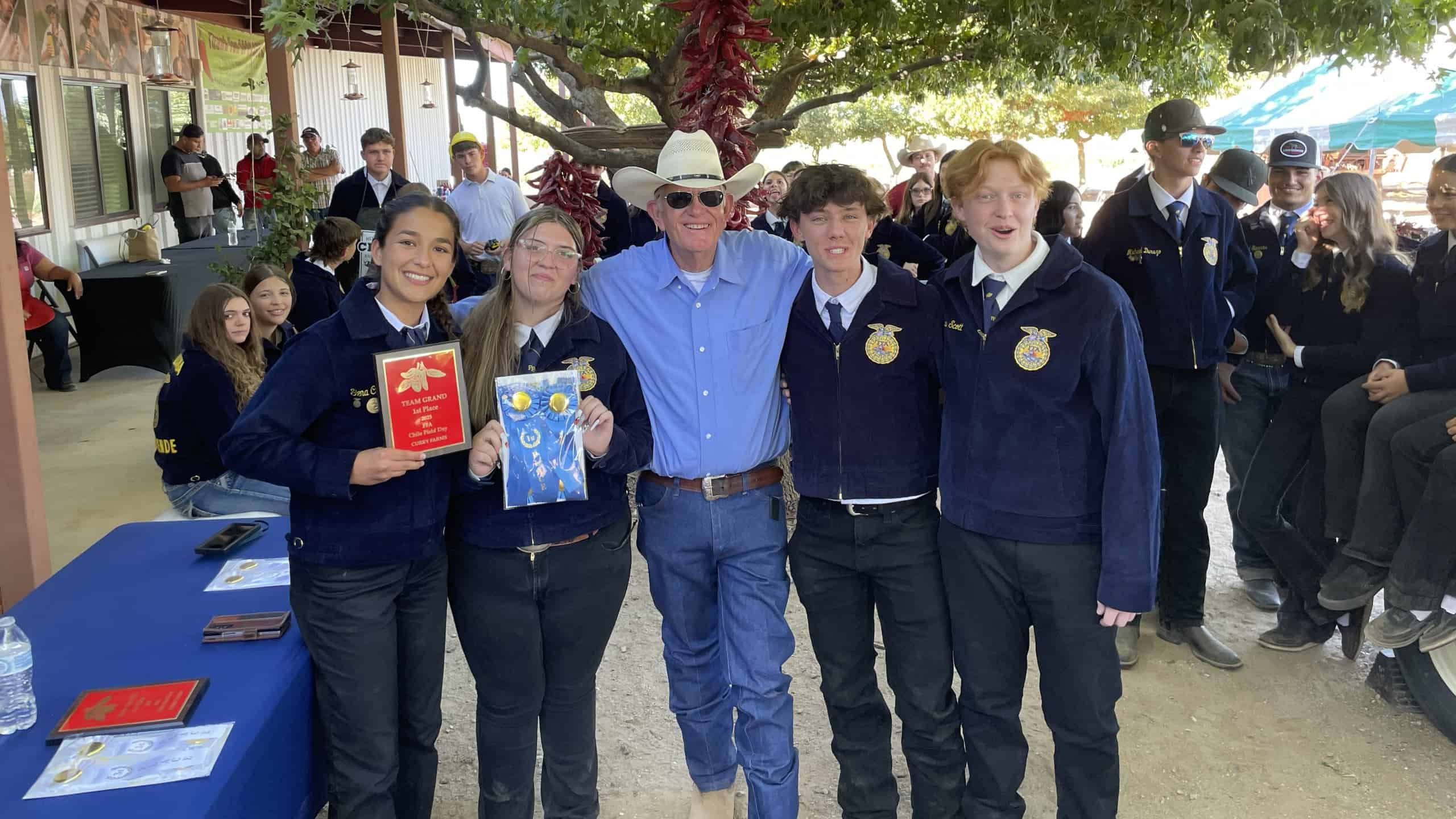
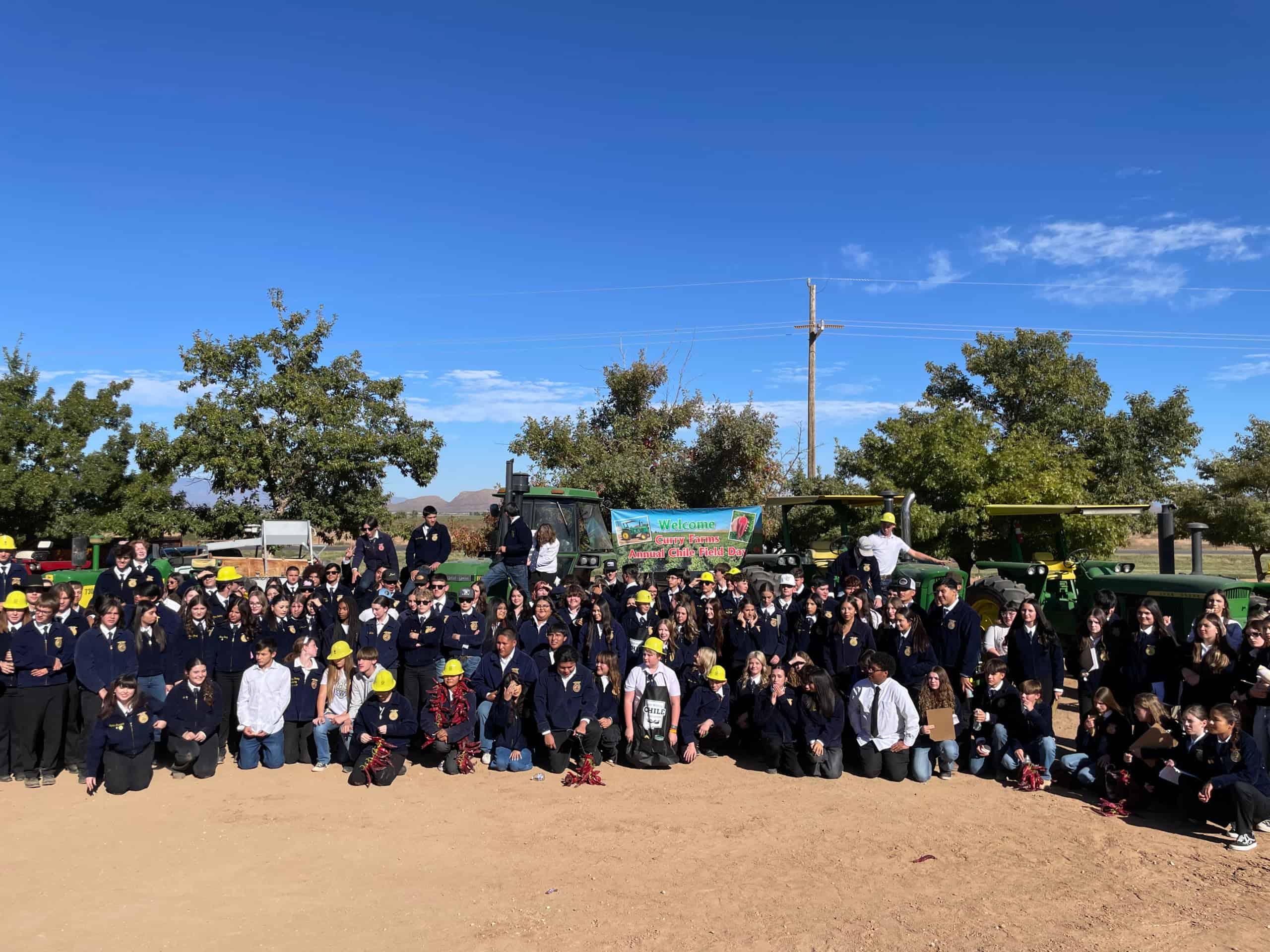
Last November, the Tanque Verde FFA Chapter from Tucson, Arizona, attended the 14th Annual FFA Chile Field Day held at chile breeder Ed Curry’s farm in Pearce, Ariz. They participated in several competitions related to chiles and other Southwestern crops. Tanque Verde’s Team A made up of (from left to right), Siena Contreras, Mikayla Scott, Santino Celani and Ryan Scott, placed first overall in the team competition. Several individual members from both school teams also received awards.
Ed Curry, center, is the founder of Curry Seed & Chile, which supplies seed to growers throughout the Southwest and Mexico. A former Arizona FFA state officer, Curry has donated chile seeds to schools around the country, including Tanque Verde FFA members, who are growing chiles in their greenhouse to plant on the school’s farm.
Tanque Verde FFA member Santino Celani took second place overall for his individual performance, second place for judging and third place on the written test. For the judging competition, students looked at the health of live plants and the production of some of Arizona’s crops, including chiles, cotton and pinto beans. But it was the written test that he believes was the toughest competition. “Throughout the day, we went around the farm, and Ed Curry and some of his associates gave presentations about plant genetics, soil and plant health, as well as packaging and production,” Celani says. “All of that came together at the end of the day, and we took a test on all the information they taught us at the event.”

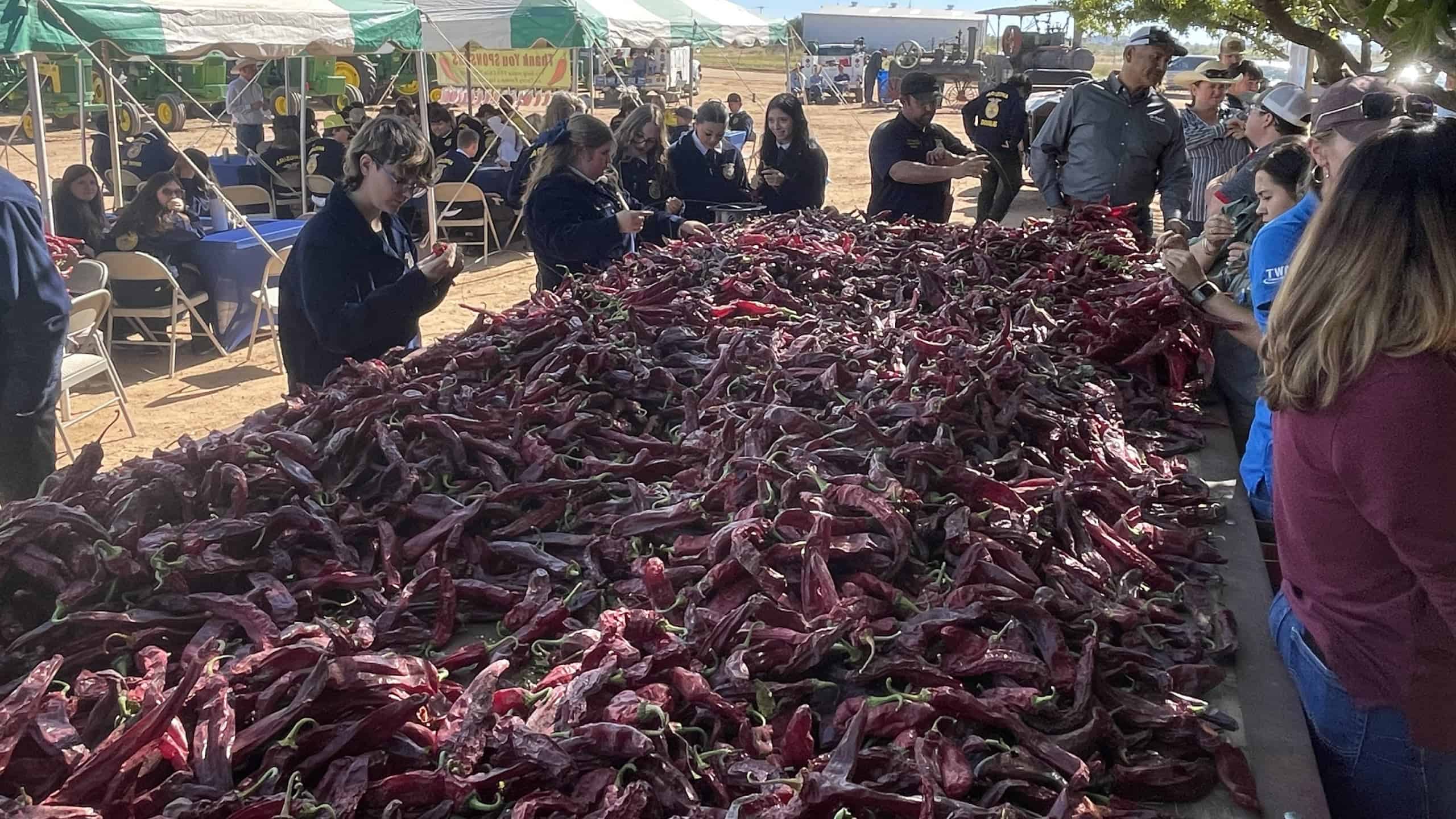
Chile peppers are at the heart of the field day and are central to Southwestern agriculture as well. “In the Southwest, rain and water are so limited compared with other regions where agriculture is big, and chiles are fairly drought-resistant” says Tanque Verde FFA Chapter President Danica Vimmerstedt. Traditionally, farmers would run a wire or rope through chiles and hang them to dry after harvesting. Field day attendees have the chance to string chiles to take home.
Another highlight of the day is the chile-eating contest. “They start off with a mild jalapeño that’s about 2,000–3,000 on the Scoville scale [a measurement of spiciness] and work their way up to 2 million on the Scoville scale,” says Tanque Verde FFA advisor Craig Bal. “Your eyes will water just watching the competition!”
The contest, held at the end of the field day, is most people’s favorite activity, agrees Tanque Verde FFA member Siena Contreras, who placed third overall for her individual performance. “You get to have fun whether or not you are competing,” she says. “Everyone is laughing and cheering each other on.”

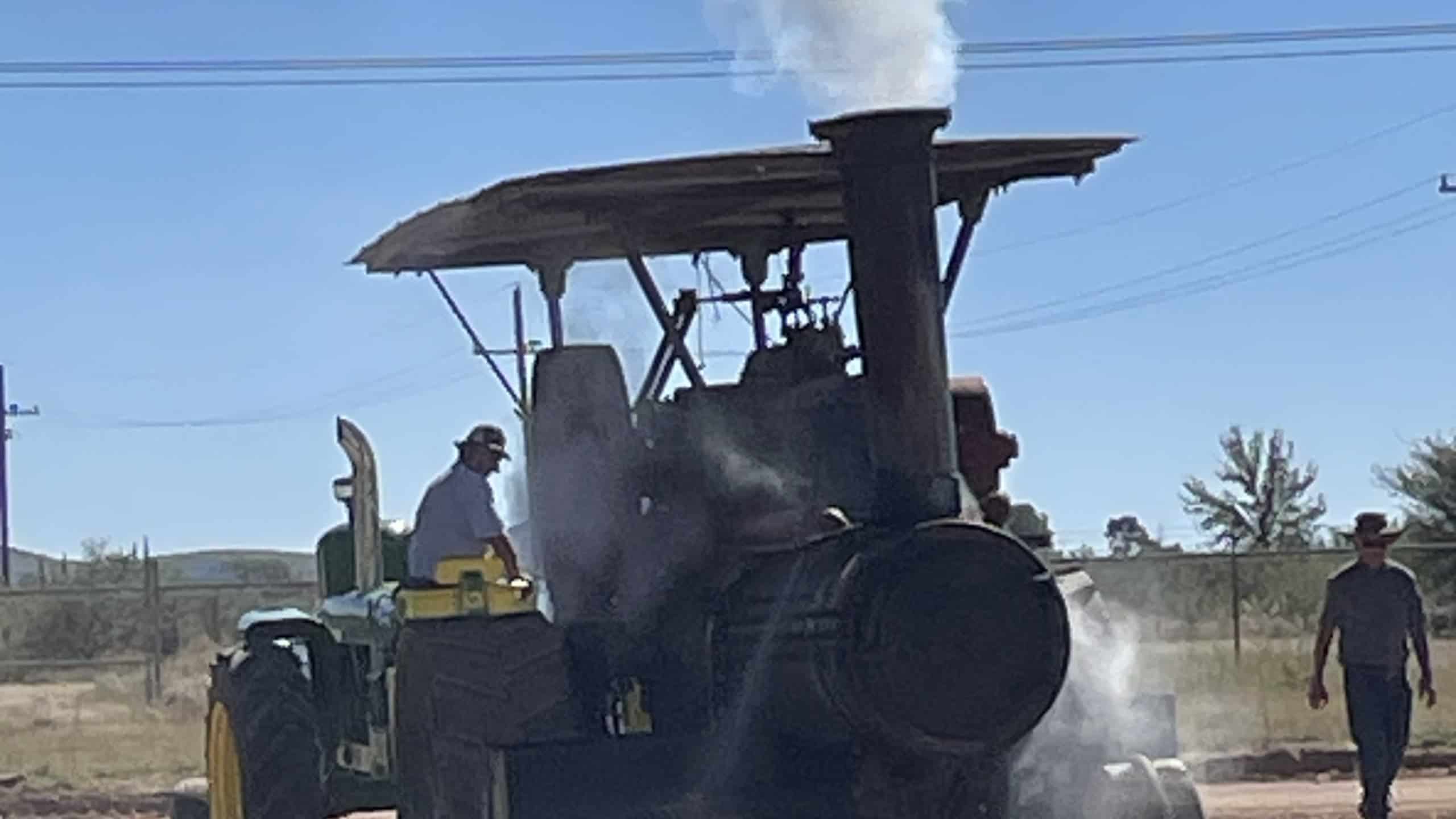
In addition to learning about modern advances in plant breeding and genetics, FFA members also get lessons on the history of Southwestern agriculture, including a close-up look at steam-powered tractors used in the late 1800s.

Chile Field Day is open to all Arizona and New Mexico FFA members. “It’s an amazing day to connect with other FFA members and get to know more about agriculture and why it’s so important in the Southwest,” says Vimmerstedt, who has twice attended Chile Field Day.