6 Tips to Create a Career-Ready Classroom
 For Montana Hagler, agricultural education is about more than preparing students for careers; it’s about helping them see how classroom lessons connect to real life.
“[Career and Technical Education (CTE)] is a very special opportunity for our students to take what they’re excited about and apply that to everything they do,” explains Hagler, Lovington FFA advisor and CTE department chair at Lovington High School in New Mexico.
Hagler uses these six strategies to create a CTE curriculum that resonates with students.
1. Start with student interests.
Career interest inventories help students identify attractive careers and goals that range from agriculture to medicine to digital media. Hagler uses the insights to connect lessons to future careers.
“From there, we can work on what that career path would look like and how I can help,” she says. “The students have a great time. They enjoy what they’re doing and they’re also learning really valuable skills.”
2. Focus on transferable skills.
Even when coursework doesn’t directly align with a student’s dream career, CTE curriculum emphasizes employability skills such as accountability, attendance, communication and professionalism that prepare students for success long after graduation.
3. Lean on community partnerships.
Getting local businesses and industry professionals engaged in the classroom is key for a successful CTE curriculum. Guest speakers, project judges and industry mentors help students better understand career pathways and provide opportunities to practice professional communication and problem-solving skills.
“[The community] is almost always super willing and happy to help,” Hagler says.
4. Make learning hands-on.
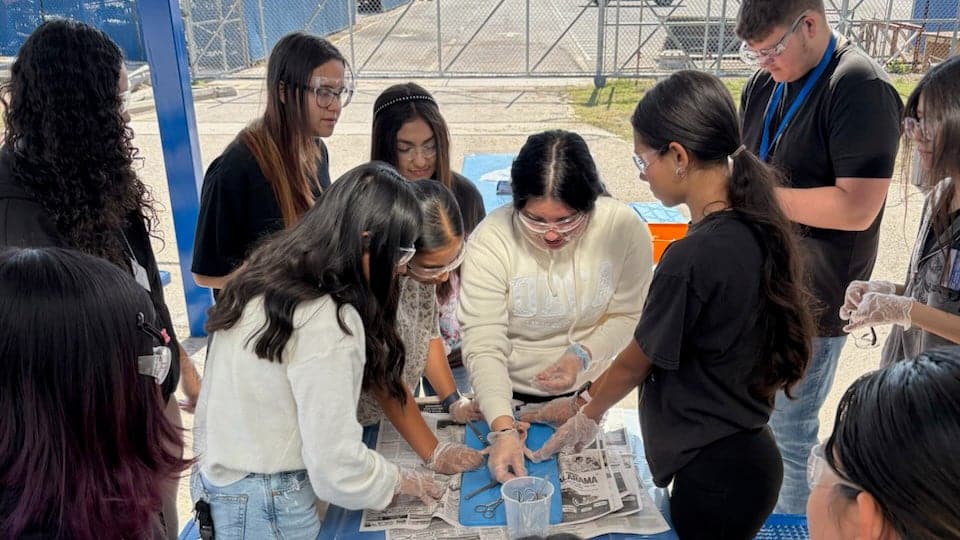
Engagement is essential for CTE success. Hagler incorporates labs, dissections, demonstrations and creative projects that allow students to learn by doing. Instead of relying solely on lectures or worksheets, she gives students opportunities to build, create and demonstrate skills in ways that reflect real-world experiences.
5. Use a flipped classroom model.
To maximize classroom time, Hagler often records short instructional videos for students to watch before class, allowing students to spend more time participating in hands-on activities during class periods.
“You have to show up prepared in order to be successful in the classroom,” she says.
The approach also reinforces responsibility and accountability while increasing active learning time.
6. Collaborate with colleagues.
Cross-curriculum collaboration ensures that all aspects of the curriculum, from math to reading, are career-connected.
“What students are doing in the agriculture classroom can directly relate to what they’re doing in their core classes,” she says. “When students tell me, ‘I don’t know why we have to learn this in math,’ I can show them how those skills apply to different careers.”
Find Funding
Scholarships are available for FFA members who are pursuing a trade school, vocational certificate or a two-year degree. Browse the options and consider applying.