What Is Happening Beneath the Surface?
At Yagi Sisters Farm in Sebastopol, Calif., taking care of the soil means finding a balance between keeping the land healthy and making farm work manageable. In 2024, farmer Reyna Yagi worked with UC Cooperative Extension advisor Ellie Andrews to test whether using a walk-behind tractor could make preparing vegetable beds easier without significantly harming soil health. The trial gave researchers a closer look at a challenge small farmers face: protecting their soil while managing the time and physical work that farming requires (source: North Coast Soil Hub).
Soil health is not always something people think about when they look at a farm, but it affects how plants grow and how well the land supports future harvests. From the organisms living underground to the way soil holds water, what happens beneath the surface can make a difference above it.
Beyond Just the Dirt
Healthy soil does more than hold plants in place. It provides roots with water and nutrients while giving tiny organisms a place to live. Bacteria and fungi help break down dead plant material, returning nutrients to the soil for plants to use.
Some fungi also form partnerships with plant roots. They help plants reach water and nutrients they might not otherwise access. In return, plants provide the fungi with sugars they need to survive. These interactions happen underground every day, even though most people never see them.
When soil is not properly cared for, it can lose nutrients and become more vulnerable to erosion. This can make it harder for plants to grow and affect the land farmers depend on. Keeping soil healthy is about more than preparing a field for the next planting season. It is about maintaining the land over time.
How Farmers Protect Their Soil
Farmers use different practices to keep their soil healthy. One example is planting cover crops between growing seasons. Rather than leaving the ground bare, farmers grow plants that help protect the soil from erosion. Some cover crops can also add organic matter and improve soil structure.
Composting is another way to improve soil health. As organic material breaks down, it returns nutrients to the ground. Some farmers also practice reduced tillage, which means disturbing the soil less when preparing fields for planting. This can help protect soil structure, although the results depend on the farm and how the practice is used.
At Yagi Sisters Farm, Yagi continued using compost, cover crops and no-till practices while testing a different approach on selected beds. The 2024 trial compared existing no-till methods with one pass of a walk-behind tractor.
The results showed some trade-offs. Preparing a 50-foot bed with the tractor took about 30 minutes, compared with roughly two hours using the farm’s existing no-till method. The trial estimated a labor savings of about 1.5 hours per bed. Researchers also observed slight reductions in several soil health measurements after the tractor pass, while some other measurements remained similar.
The findings offer an example of why farmers must consider more than one factor when making decisions. A method that saves time may also affect the soil, and the long-term effects of repeated tillage require more research.
Why It Matters in Sonoma County
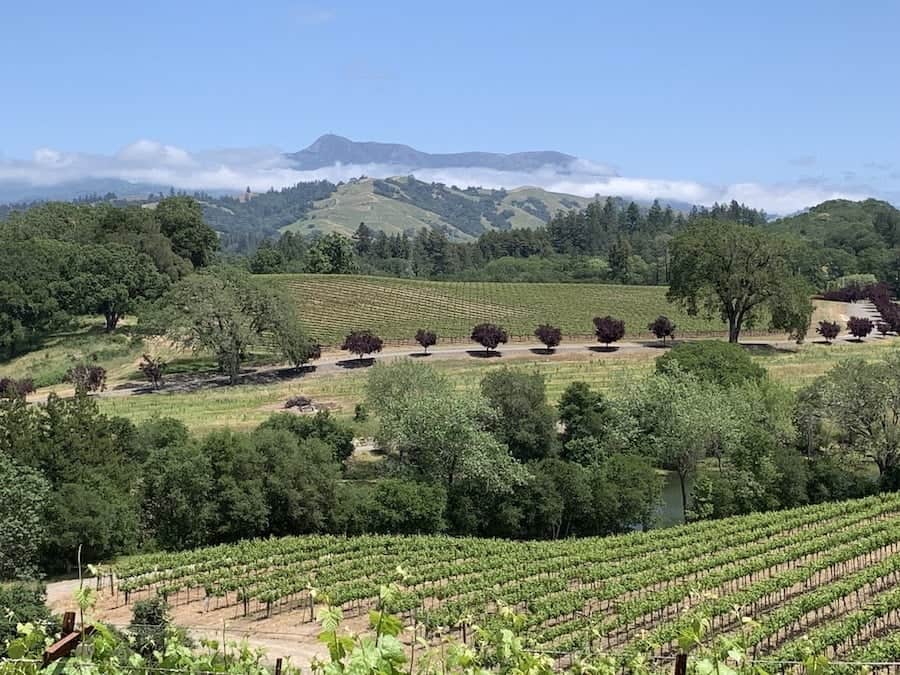
Sonoma County is known for its vineyards, but the region is also home to vegetable farms and livestock operations. Each depends on land that can support healthy plant growth.
Managing water is another important part of farming in the region. Healthy soil can help water soak into the ground, where plant roots can access it. Protecting the soil also helps reduce the loss of valuable topsoil during heavy rain. These benefits make soil management an important consideration for farmers dealing with changing growing conditions.
For FFA members, learning about soil health connects agricultural science to decisions farmers make every day. The work at Yagi Sisters Farm shows that protecting the land does not always mean choosing one practice and using it everywhere. Farmers have to weigh the needs of their crops, the condition of their soil, the cost of equipment and the amount of labor available.
“Being involved in agriculture has taught me that there is more to growing plants than what you see above the ground,” Averi Woods, a Cardinal Newman FFA member, said. “Taking care of the soil is just as important because it gives plants what they need to grow and helps keep the land healthy for the future.”
Looking Beneath the Surface
Soil health can seem like a small part of agriculture because so much of its work happens out of sight. But decisions about how farmers prepare and care for their land can affect both their daily work and the future of their farms.
The field trial at Yagi Sisters Farm shows that soil management involves real decisions, not just scientific ideas. Farmers must find approaches that protect the land while still allowing them to keep their operations running.
The next time you drive past a vineyard or walk through a garden, think about what is happening beneath the surface. The ground may look ordinary, but it supports the plants, farms and communities that depend on it.
We spend a lot of time looking at what grows above the ground. Maybe it is time we paid a little more attention to what is happening underneath.