Follow-Up: Graduating FFA Seniors Are College- and Career-Ready
In 2018, a collaborative study between Purdue University and the National FFA Organization1 explored the relationship between involvement in FFA and college and career readiness. Then in September 2019, National FFA conducted a follow-up study with a new sample of graduating FFA members during the first semester of their senior year in high school. Results show that FFA seniors continue to be college- and career-ready, as seen below. Impressive Grade Point Averages Set FFA Seniors Apart National FFA asked surveyed seniors to report their GPA. On a 4.0 unweighted scale, self-reported GPAs remain high among FFA seniors, with an average GPA of 3.59 out of 4.0. Ninety-six percent of graduating seniors reporting their GPA have an A or B average. In the previous study, the average self-reported GPA was 3.69, with the same percentage of graduating seniors being A or B students. No reported grade point averages indicated that members earned below a C average. FFA Seniors’ Critical Thinking Capabilities Match With Employers’ Expectations A 2015 survey found that employers believe critical thinking is among the [...]
Stretching, Embracing and Adapting Tendencies in Rural and Urban FFA Members
A member’s level of involvement in FFA can vary widely—from not being involved in any activities to competing at the National FFA Convention & Expo. What barriers exist that prevent FFA members from being fully involved in FFA? The National FFA Organization and Purdue University surveyed high-school FFA members from 60 schools to help answer this question. Survey participants came from 60 FFA chapters—31 classified as being in a rural area and 29 in an urban area.1 There were 590 usable responses from current FFA members.2 Most responses (about 90%) came from members of urban FFA chapters. While this research study3 was not the largest study of FFA members in terms of the number of respondents, it was the most racially and ethnically diverse pool to date. This report focuses on how FFA members report stretching and embracing tendencies in relation to comfort zones and levels of adaptability. Forthcoming reports will focus on other aspects of this research study. Rural members’ responses reveal they are more likely to be in their comfort zones than urban members. [...]

Senior FFA Members’ Openness, Preparedness and Adaptability Regarding New and Emerging Technologies
In late 2020, Purdue University collaborated with the National FFA Organization on a research study to discover the impact of agricultural education on senior FFA members’ openness, preparedness and adaptability regarding new and emerging technologies in Agriculture, Food and Natural Resources (AFNR). Openness, preparedness and adaptability are all skills that are in high demand from universities and employers; in fact, they were chosen for this study based on National FFA staff interactions with employers in agricultural companies and technology discussions that took place at the FFA Blue Room. In total, 1,528 member responses were used in data analysis. Seniors Open to New and Emerging Technologies, May Require More Experience and Education to Use Them in a Classroom, Lab or Future Career Developing technology has always played an important role in agriculture. In 2021, the necessity of being adaptable to new technologies is critical for those entering the field of agriculture. This research study defined “adaptable” as being open and prepared. These qualities were measured using the Openness and Preparedness Scale.1 On the survey, 10 new and [...]
Living to Serve: A Look at Community Service in FFA
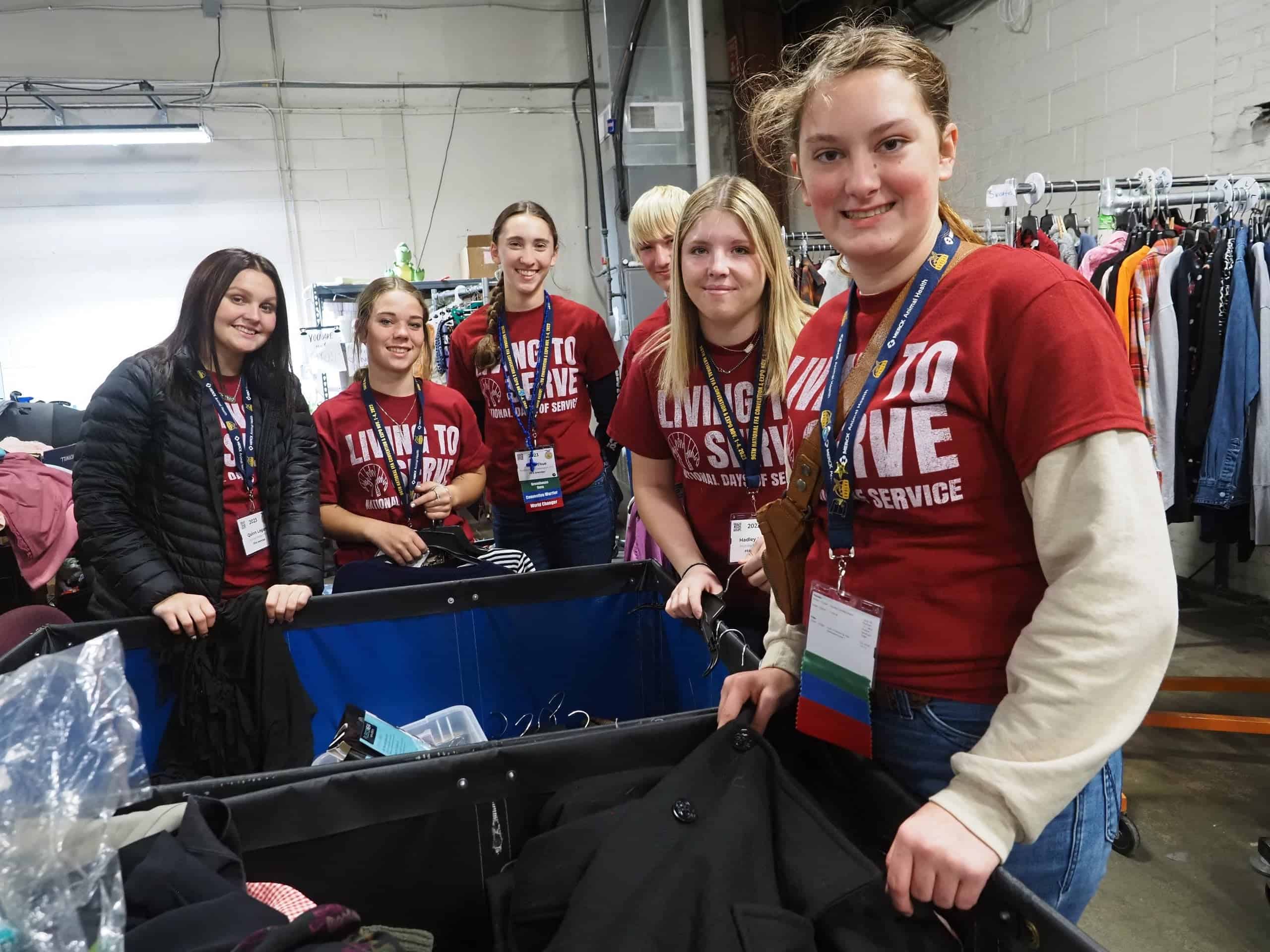
The FFA motto gives members 12 short words to live by as they experience the organization’s opportunities. Three of these words sum up the desire to help provide for one’s community: Living to Serve. Volunteerism in FFA In a 2021 survey of 10th and 11th graders in FFA, 74% of respondents who identified as FFA members said they volunteered1 in their schools or communities. A 2024 study of FFA members found that besides athletics, the activity that FFA members participate in the most is volunteering.2 Research shows that participation in structured activities and civic engagement, such as volunteering, leads to greater school engagement, which can inspire positive outcomes such as better grades, lower levels of depression, higher self-esteem, and decreased likeliness to be involved in risky behaviors. Structured activities and civic participation allow for positive interactions between youth and their peers and trusted adults, another beneficial outcome.3 Spotlighting Service in National FFA Programming National FFA encourages students to immerse themselves in service activities through structured programming at the national and local levels. National FFA Week (Spring [...]
National FFA State Officer Programs: Supporting the 2020-21 State Officers
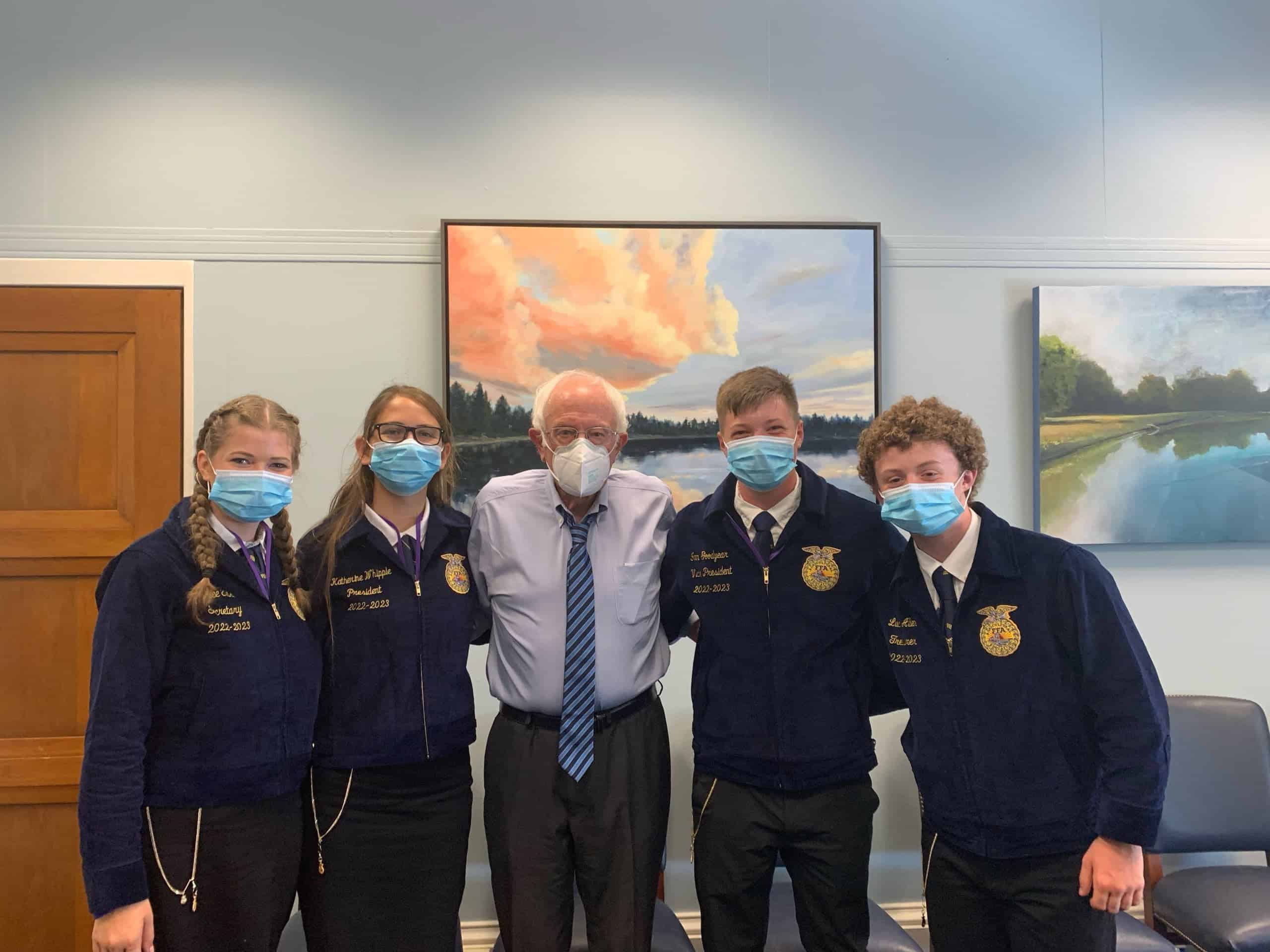
Supporting state FFA officers While each state FFA officer’s journey is different, the National FFA Organization supports states and their officers through a blended learning model that includes face-to-face training experiences, digital and print resources, and online education—all of this to guide in the development of world-ready leaders. Who are they? The 2020-21 state FFA officers Three hundred and seventy-one state officers served the 2020-21 term. During their terms, 64% of these officers were in college, while 15% were high school seniors, 11% were business owners, 9% were taking a leave of absence from school to serve as state officers, and 2% were high school juniors or younger.1 Setting a strong foundation for an effectual year of service Officers from 47 states and Puerto Rico completed 119 trainings with National FFA and within their states; these trainings were Base Camp and Checkpoints. Focus areas of Base Camp and Checkpoints included sound character, positive influence, professionalism, time management, conversation skills, public speaking, effective communication, team dynamics and workshop facilitation. We asked attendees five questions related to each [...]
SAE for All: Program Overview, History and Plans
Program Overview: Description and Objectives SAE for All was created to provide every student in agricultural education programs with access to invaluable work-based learning opportunities. This innovative delivery method ensures that no student is left behind in gaining practical, hands-on experience. Students can choose between two distinctive types of Supervised Agricultural Experiences (SAEs) tailored to their interests and career goals: Foundational SAEs, which build essential skills and knowledge, and Immersion SAEs, which dive deeper into specialized, real-world agricultural experiences. The SAE for All certifications have truly empowered our teachers by giving them the tools, confidence and credibility to support every student in developing meaningful Supervised Agricultural Experiences. With this certification, our educators feel equipped to guide students not only through their SAE journey but also in preparing them for successful careers in agriculture and beyond. Bethany Matos, State FFA Executive Secretary, Arizona FFA Five Primary Objectives Guide the Program Provide training to state FFA staff, teacher educators and secondary agriculture educators on SAE for All to increase its implementation across the country. Certify state FFA staff, [...]

What is National FFA Week?
What is FFA? FFA is an intracurricular student organization for those interested in agriculture and leadership. FFA develops members’ potential and helps them discover their talent through hands-on experiences, which give members the tools to achieve real-world success. The letters “FFA” stand for Future Farmers of America. These letters are a part of our history and heritage that will never change. But FFA is not just for students who want to be production farmers; FFA also welcomes members who aspire to careers as teachers, doctors, scientists, business owners and more. What is National FFA Week? Each year, FFA chapters around the country celebrate National FFA Week. It’s a time to share what FFA is and its impact on members daily. The week is characterized by designated days celebrating agriculture and FFA, including National Days of Service, Ag Teacher Appreciation Day, and National Wear Blue Day. The first National FFA Week took place in 1948 when the National FFA Board of Directors designated a week-long celebration from Saturday to Sunday. The week always encompasses George Washington’s birthday [...]