Indiana Agricultural Education Classroom Enhancement Grants – 2023 Impact
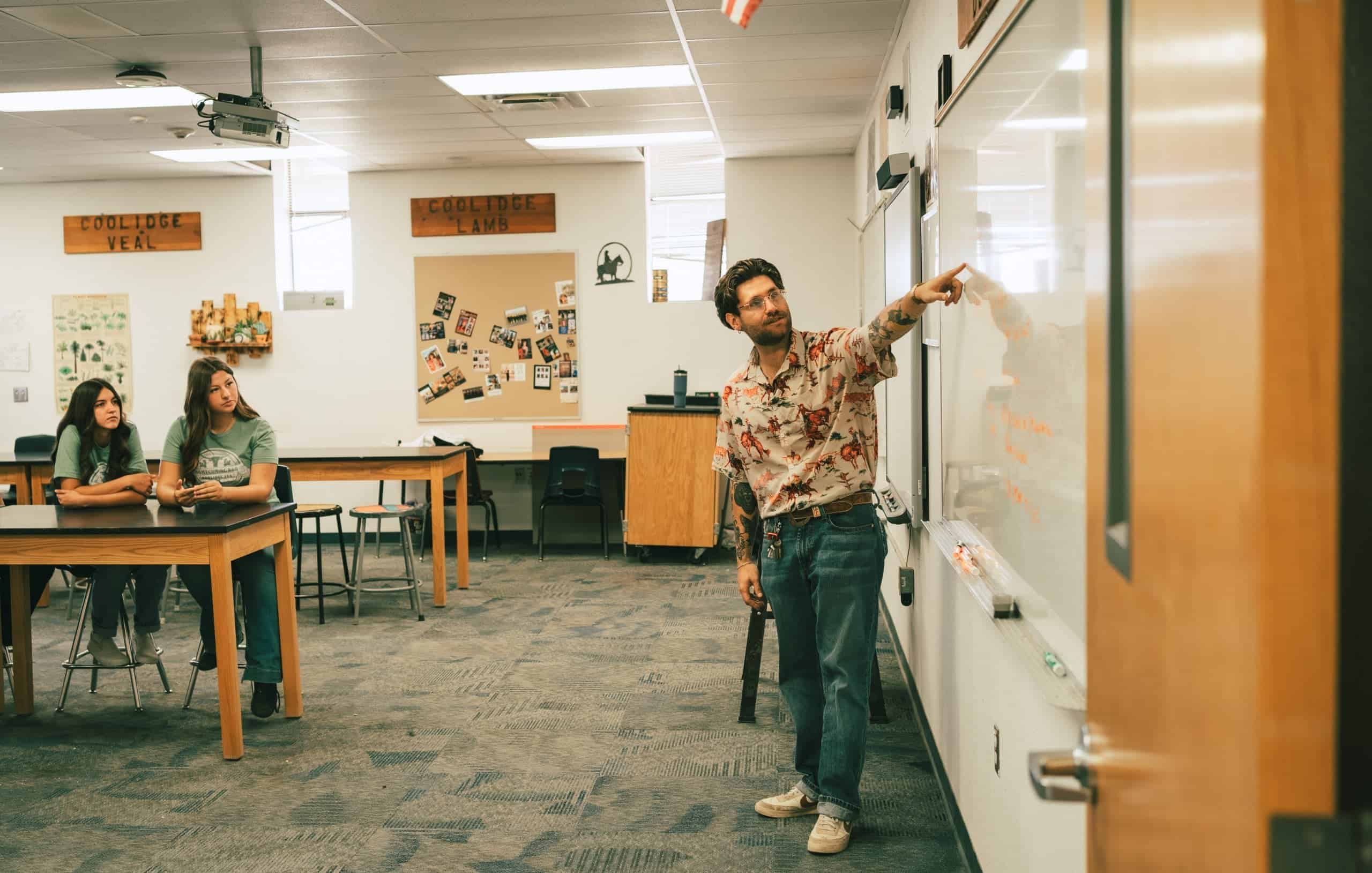
13 school-based agriculture educators received a classroom enhancement grant in 2023. The 2023 recipients of the classroom enhancement grants had between one and three full-time agriculture teachers in their agriculture programs. 2023 grant recipients serve students in grades 7-12. 2023 grant recipients serve an average of 164 agricultural education students each. When asked about their chapter, 2023 grant recipients reported that: 31% of their students are economically disadvantaged. 13% of their students have disabilities/IEPs. 9% of their students are racial or ethnic minorities. 1.5% of their students are English Language Learners. Grant recipients applied their funds to these classroom enhancements: Purchasing equipment Upgrading equipment Purchasing curriculum My students learn best with hands-on instruction, but my shop and classroom are very sparsely equipped so I have to do more online curriculum. This makes it harder for [students who are English Language Learners] to understand. 2023 FFA Advisor Needs Assessment

The Horizon Conference: Preparing Students for Careers in Production Agriculture
The first-ever Horizon Conference, focusing on futures in production agriculture, took place virtually in January of 2021. 190 attendees participated in the conference. Students Engaged With Industry Professionals, and With Each Other The Horizon Conference offered a total of 33 sessions: 19 educational sessions, 4 virtual tours and 10 networking sessions. Participants chose from one of three “tracks”, which pre-populated suggested sessions to their schedule. Participants could attend sessions which interested them most. An average of 29 attendees participated in each session. There were 187 posts on the message board—with topics ranging from home state pride to conference takeaways. 64% attended the virtual expo, with 47% attending during live hours to directly engage with industry experts. Attendees Feel More Prepared for a Career in Production Agriculture Eighty-nine percent of respondents of a post-conference survey agreed that they feel more prepared for a career in production agriculture after attending the Horizon Conference. All respondents in the “Future of Agriculture” track agreed that they are excited about a career in production agriculture. All respondents in the “Entrepreneurial Skills” [...]
FFA Blue Room Promotes Innovation for All
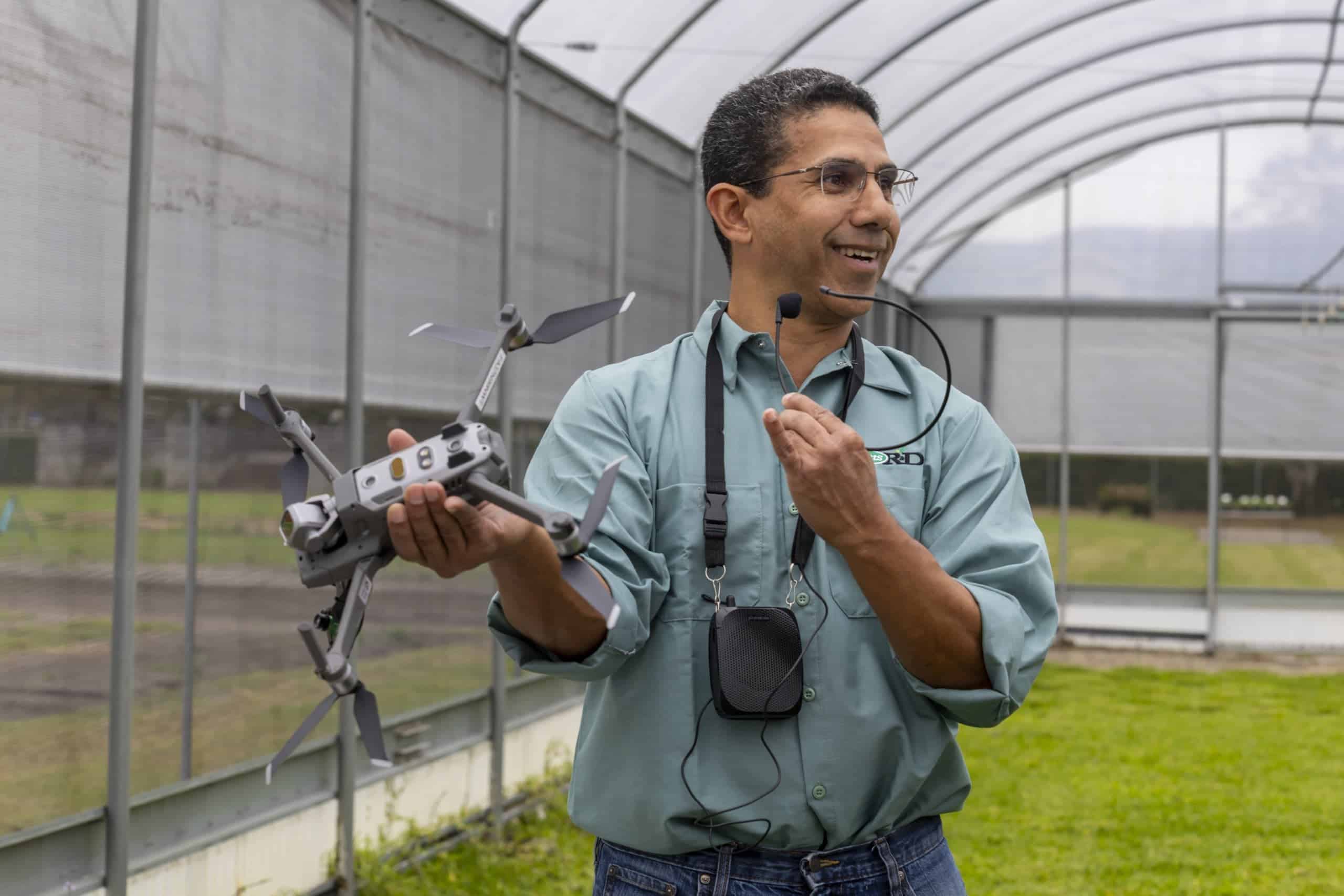
Since 2018, the FFA Blue Room has given FFA members at the National FFA Convention & Expo a chance to experience how traditional agriculture has evolved into the innovations seen on farms and in startups all over the world today. By exposing members to the careers of tomorrow, the FFA Blue Room prepares today’s student leaders for agriculture’s future landscape. The FFA Blue Room is open to all National FFA Convention & Expo attendees who want to experience it. With FFA members making up three-fourths of overall attendees, the FFA Blue Room is a place where students can open their eyes to the developing world of agriculture. Attendance Growth In 2018, 3,007 FFA members experienced technology and innovation in the FFA Blue Room. In 2019, that number grew to 4,732.1 Attendee Experience Of all attendees who visited the FFA Blue Room in 2019: 98% learned about at least one new technology or innovation that they did not know existed. 97% learned how innovations in ag-tech are solving some of the major problems facing agriculture. 90% discovered [...]
Work-Based Learning, Future Careers and Long-Term Goal Setting of FFA Members
This report includes results from a group of FFA members surveyed in early 2024. It focuses on supervised agricultural experiences (SAEs) and members’ reported career plans. SAEs allow students to apply agricultural skills and knowledge taught in the classroom to real-world experiences. FFA members’ involvement with SAEs lays the foundation for future career success 68% (N=283) of surveyed members told us that they have an SAE. This aligns with nationwide labor trends: 37% of 16-19-year-olds are employed or seeking employment, according to the U.S. Bureau of Labor Statistics.1 After-high-school plans and career ambitions vary for members with SAEs Of the 283 members who told us they have an SAE: 44% say they plan to pursue a career or college/vocational program in the same study area as their SAE. 2 in 3 say they plan to attend a four-year university, while 16% say they plan to attend a two-year college/technical program. 30% say the Animal Systems Career Pathway best describes their career ambitions. 11% say the Agribusiness Systems Career Pathway best describes their career ambitions. Goal setting: [...]
96th National FFA Convention & Expo: Impact and Attendance Overview
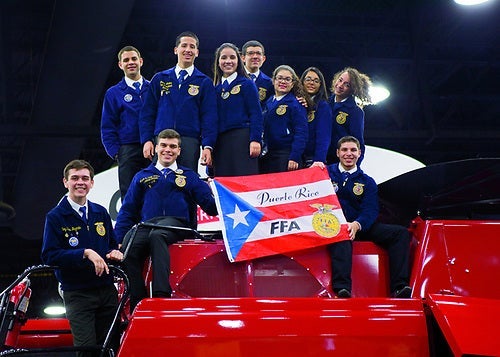
National FFA is the premier youth organization dedicated to preparing its members for leadership and careers in the science, business and technology sectors of the industry of agriculture. Each year, the National FFA Convention & Expo provides an opportunity to conduct the official business of the organization; increase outreach and engagement; recognize members’ and stakeholders’ accomplishments; motivate and inspire members and stakeholders; provide educational training and networking opportunities; and expose members to trends impacting the Agriculture, Food and Natural Resources (AFNR) Value Chain. The 96th national convention and expo was in Indianapolis Nov. 1-4, 2023. Record-Breaking Attendance Attendees traveled from all 50 states and Puerto Rico. Total attendance reached 72,954 in 2023, up from 69,596 in 2022. 72% student attendees, including American FFA Degree recipients; career and leadership development event competitors; delegates; members; band, chorus and talent participants; national officer candidates, award finalists; and more. 28% adult attendees, including special guests; alumni and supporters; FFA staff; individual donors; corporate partners; advisors; state staff; exhibitors; media; award judges; honorary award winners; board members; and more. Entertainment Ninety-five [...]
National FFA Agriscience Fair: Participation and Impact
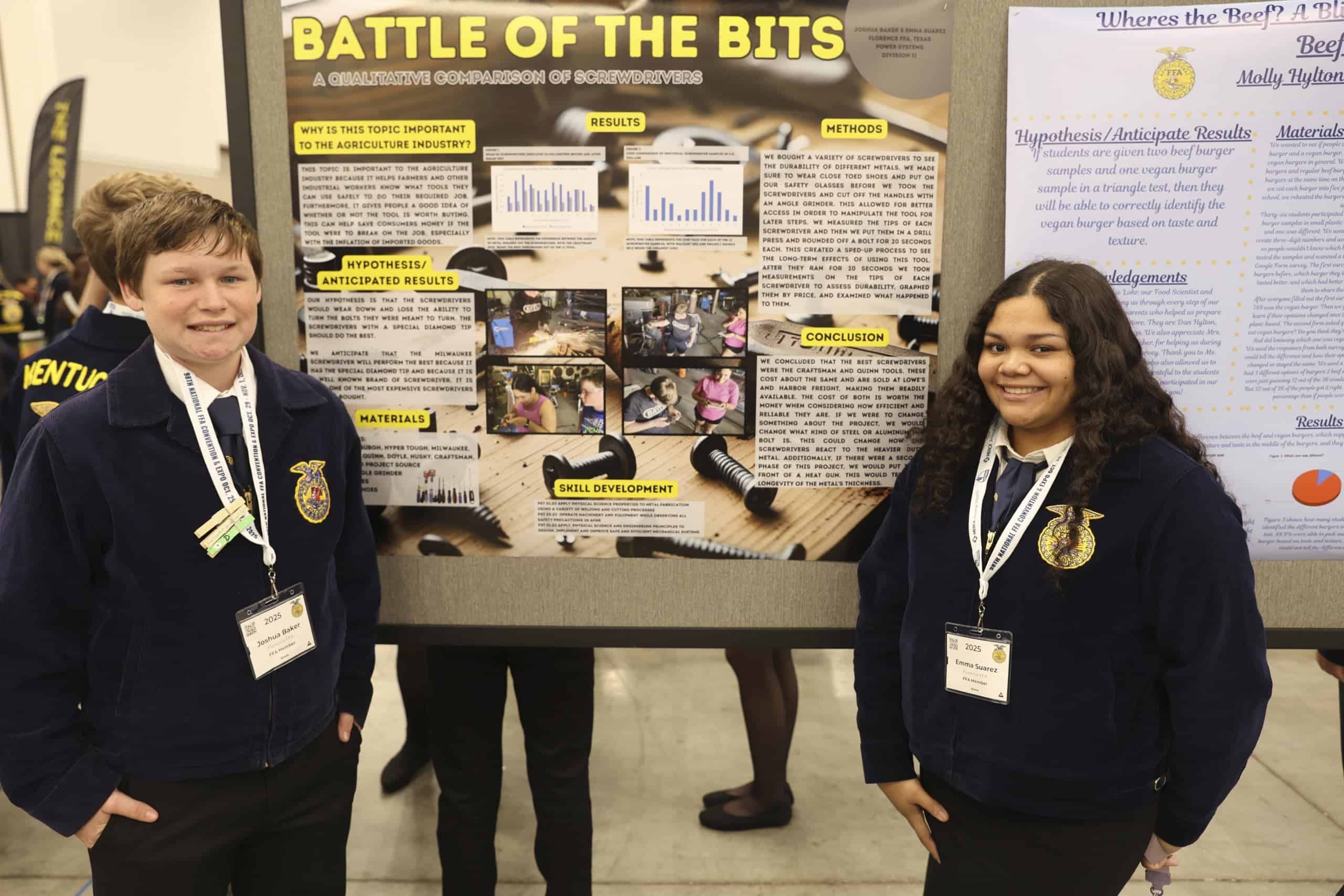
The National FFA Agriscience Fair recognizes students who gain real-world, hands-on experience in agricultural enterprises. Students use scientific principles and emerging technologies to solve complex agriculture, food, and natural resources problems. The agriscience fair is for middle and high school students. Participation begins at the local level and progresses to state and national levels. Number of Participants Continues to Grow Participation in the Agriscience Fair has grown steadily over time — except for the 2020 virtual event. 2016—593 participants 2017—724 participants 2018—759 participants 2019—778 participants 2020—637 participants (virtual) It pays to compete. $121,500 in total cash payouts was awarded to 162 winners recognized at the 2020 National FFA Convention & Expo. Outcomes for FFA Members We asked FFA members who competed in the National FFA Agriscience Fair in 2020 about their experience. After participating, at least 85% of FFA members1 told us that they… now have a better understanding of the scientific method have learned something about agriculture that they did not know prior to their project are more interested in studying in a scientific field [...]
National Chapter Award Program: Driving Member Involvement and Chapter Excellence
The National Chapter Award Program is designed to recognize FFA chapters that actively implement the mission and strategies of the organization. These chapters improve chapter operations using the National Quality Chapter Standards (NQCS) and a Program of Activities (POA) that emphasize growing leaders, building communities and strengthening agriculture. Chapters are rewarded for providing educational experiences for the entire membership. Chapter Activities Across 673 applications, chapters reported 2,019 activities in each of the three focus areas. Building communities To help local food pantries replenish much-needed items, Scales Mound FFA (IL) created bingo cards filled with those needs and sent groups into the community to collect the items and fill their cards, while also handing out flyers with information about agriculture. Growing leaders Southeastern FFA (OH) members created a Positivity Tree to provide simple, anonymous pick-me-ups in the form of handwritten notes that focused on encouragement, self-worth and positive quotes. Notes were hung as ornaments for students to take as needed. Strengthening agriculture Flanagan-Cornell FFA (IL) decided to create an Active in Agriculture vlog with videos from various [...]
National FFA Organization’s Response to COVID-19
The new coronavirus (COVID-19) became a worldwide pandemic in early 2020, prompting businesses and organizations to close throughout the United States. Perhaps two of the most impacted groups by the closings and limits on social gatherings were teachers and students. When schools closed, many faced the challenge of transitioning to e-learning to finish the school year. Canceled conferences and events also impacted participants. National FFA took the following actions to ensure that the FFA mission was still being delivered to members and teachers in the wake of COVID-19: Educator Resources National FFA recognized the potential difficulty of moving all learning online in a short time. To help ease the burden on agriculture educators, FFA took actions ranging from providing the 2017 National FFA Student Handbook online for free to creating a guide on distance learning. Analytics1 revealed that the 2017 Official FFA Student Handbook (English) was one of the top 10 accessed educator resources in both March and April, along with supervised agricultural experience (SAE) videos, the generic activity worksheet for SAE videos, and SAE choice [...]
Next Gen: A Glimpse Into the Future of Agriculture
The Next Gen Conferences are a series of career-focused conferences centered around each of the eight Agriculture, Food and Natural Resources (AFNR) Career Pathways.1 The most beneficial experience I had at the [Next Gen] conference was the persistent [advice] to do what I love and to find my why. I needed to be pushed to reach my full potential. Next Gen participant (2022) The National FFA Organization grows the next generation of leaders who will change the world. These future leaders can make a tangible impact on the problems facing the world and agriculture. National FFA uses conferences, workshops and other experiences to cultivate premier leadership, personal growth, and career success in FFA members. The FFA Next Generation (Next Gen) Conference equips students with the knowledge and skills to interest and prepare them for future careers in agriculture. The first Next Gen conference was held in Kansas City, Mo., in Feb. 2020. FFA members were immersed in experiences related to animal systems careers. The COVID-19 global pandemic halted plans for the conference series in 2021, but [...]
Washington Leadership Conference: Premier Leadership
Washington Leadership Conference (WLC) inspires FFA members to become changemakers in their communities. Each day of the conference focuses on a different principle taught through the context of our nation’s capital: Explore, Encourage, Advocate and Serve. At the end of the week, members leave with a Living to Serve Plan they can implement in their communities. After a two-year hiatus due to the COVID-19 pandemic, nearly 2,000 FFA members from across the country attended WLC for one week in June or July of 2022. Attendees represented 587 different chapters across 45 states. At the end of seven weeks, 1,157 responses were recorded on a post-conference survey (67% survey completion rate). This document provides a high-level overview through the eyes of these FFA members who completed their survey and can be used to understand the life-changing experience that is WLC. For more information, email evaluation@FFA.org. After a two-year hiatus, the 2022 WLC nearly reached the outcomes of the 2019 conference. Attendance Comparison Metric 2019 2022 Registered Attendees 2,155 1,961 Living to Serve (Community Service) Plans 1,442 1,109 [...]

Exploring the Employability Skills and Academic Success of the National FFA Membership
A collaborative study between the National FFA Organization and Purdue University1 in 2018-19 explored the relationship between involvement in FFA and college and career readiness, representing the largest sample of FFA members to date in all existing published research on FFA members. Involvement in FFA is correlated with academic success. The three-component model of school-based agricultural education revolves around the integral relationship between classroom instruction, work-based learning through a supervised agricultural experience program, and membership in FFA. FFA does not exist without classroom instruction and school-based agriculture programs, in which student academic success is of high importance. This study provided the first baseline of FFA members’ academic success and revealed that FFA members possess academic scores that are higher than the national average. FFA members show higher ACT and SAT scores on average than the 2018 high school graduating class average. FFA members have a collective average ACT score of 23.5, compared to the national average of 20.8. FFA members have a collective average SAT score of 1152, compared to the national average of 1068. Additionally, [...]
Factors That Contribute to FFA Members’ High Levels of Involvement in FFA
A member’s level of involvement in FFA can vary widely—from not being involved in any activities to competing at the National FFA Convention & Expo. What barriers exist that prevent FFA members from being fully involved in FFA? The National FFA Organization and Purdue University surveyed high-school FFA members from 60 schools to help answer this question. Survey participants came from 60 FFA chapters—31 classified as being in a rural area and 29 in an urban area.1 There were 590 usable responses from current FFA members.2 Most responses (about 90%) came from members of urban FFA chapters. While this research study3 was not the largest study of FFA members in terms of the number of respondents, it was the most racially and ethnically diverse pool to date. This report focuses on levels of involvement in FFA across various demographics—including urban or rural classification—and conclusions that can be drawn about more highly involved FFA members. Forthcoming reports will focus on other aspects of this research study. How is involvement in FFA measured on a survey? The survey [...]