The Other Side of the Vines
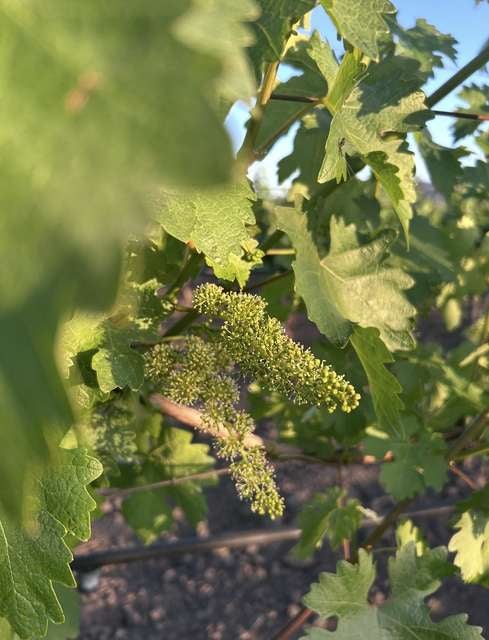
People travel from around the world to see Napa Valley.
They come for the rolling hills, the vineyards that seem to stretch toward infinity, and the scenery that has made this part of Northern California famous. It’s the kind of place people pull over on the side of the road to take photos.
But there’s quite a bit a photo leaves out.
It doesn’t show the crews arriving before dawn during harvest, the months spent caring for a crop, or the people whose knowledge and hard work keep the vineyards growing year after year.
And it certainly doesn’t tell you that, for 30 years, the high school in the middle of this agricultural community didn’t even have an agriculture program.
According to St. Helena High School’s published history, agricultural education began in 1941 but was discontinued in 1970. In the 1990s, former students and community members came together to bring it back, raising funds and gathering support from local families, businesses, and agricultural partners.
In 2000, the program reopened with one teacher and about 40 members. Today, more than half of the school’s students participate in agricultural education.
The vineyards never went anywhere. It took the community to bring them back into the classroom.
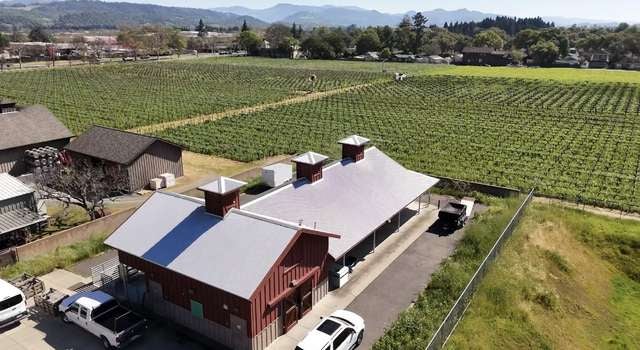
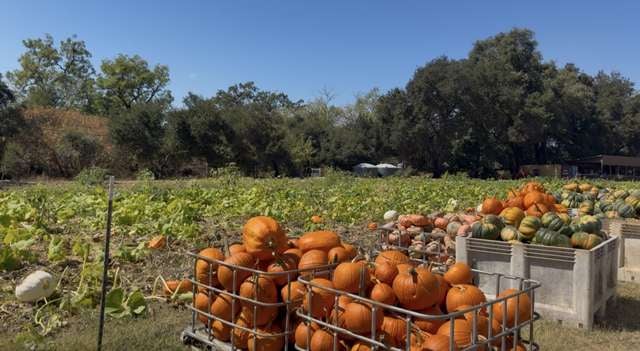
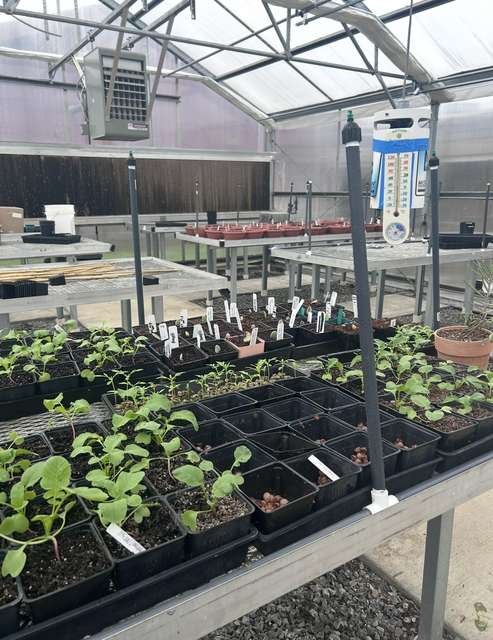
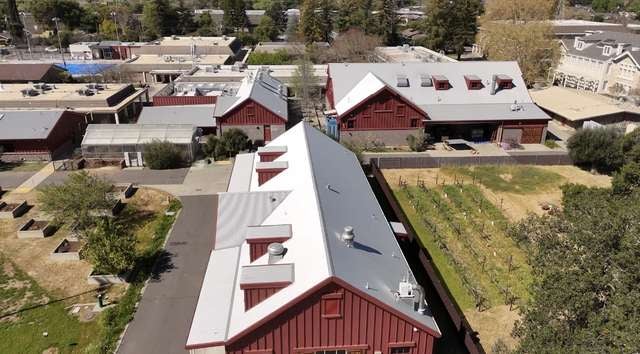
Today, students at St. Helena High School have access to a Zinfandel vineyard, greenhouse, livestock facilities and agricultural mechanics shop. Our FFA chapter also operates a pumpkin enterprise with a 3-acre patch and farm stand.
In October 2025, chapter members welcomed students from St. Helena Primary School to the pumpkin patch for a day of agricultural education, according to the chapter’s published activity records.
For the younger students, a pumpkin patch might have seemed like a familiar part of fall. For the FFA members in the pumpkin enterprise, it represented months of growing, caring for, and preparing a crop for sale. What eventually becomes a decoration on someone’s doorstep begins with much more than a trip to the store.
Sometimes, even what agriculture leaves behind can become an opportunity to learn something new.
In one student agriscience research project, grape pomace, the leftover skins, seeds, and other material from grape processing, was tested at different concentrations to study its effects on radish germination and growth.
The results revealed differences between treatments. The 25% and 75% pomace groups produced some of the highest germination rates, while seeds planted in pure pomace did not germinate. The results showed that the amount of pomace mattered, giving the project a clear direction for future testing.
The next frontier in agriculture doesn’t always begin with something new. Sometimes it starts by looking more closely at what’s already around us.
Of course, agriculture in Napa Valley extends far beyond the classroom.
Vineyard workers care for the vines through every season, from pruning and monitoring growth to preparing for harvest. Their knowledge is intertwined with the land and with the families, businesses, and communities that depend on it.
That is part of what students begin to understand when agriculture becomes more than something outside the classroom window.
And while Napa Valley’s landscape may be recognizable around the world, its story isn’t entirely unique.
Maybe your hometown is surrounded by cattle ranches, apple orchards or cornfields stretching past the horizon. Maybe agriculture is less visible where you live, found in a community garden, a local farmers market or simply the food on your dinner table.
The scenery changes, but the connection remains.
Behind what we grow, buy, eat and use are people whose contributions we may never see. FFA gives members an opportunity to recognize those connections, whether through raising livestock, conducting research, learning a trade or working alongside members of their communities.
At St. Helena High School, those opportunities exist because people decided agricultural education was worth bringing back. What began again with one teacher and about 40 students has become a program reaching more than half the school.
The next time someone stops to take a photo of Napa Valley, they’ll probably capture the same beautiful hills and seemingly endless rows of grapevines.
What they may not see are the workers who care for them, the community that brought agricultural education back, or the students learning how to carry it forward.
The vineyards are what bring people to Napa Valley.
The people behind them are what make it home.