The Future of the Beef Industry Lives in Brangus Genetics
OPINION The views in this piece are the writer's own.
Close your eyes.
Imagine walking through a livestock sale barn 20 years from now. Every calf moving through the ring is uniform, heat-tolerant, parasite-resistant, and backed by genomic performance data before it ever hits the dirt.
That is not science fiction; it is the blueprint for modern agriculture, and it is being built right now through Brangus genetics and reproductive technologies.
Agriculture has always advanced because producers choose to innovate. Just as past generations moved from the steel plow to GPS-guided equipment, our next major leap will not come from heavy machinery, but from molecular and biological science. Specifically, the pairing of Brangus cattle with artificial insemination (AI) and embryology represents the next critical evolution in American beef production, offering the exact resilience and consistency our industry needs in a changing world.
The modern beef industry faces immense pressure. Producers wrestle with severe market volatility, shifting feed costs, sky-high diesel prices, and tight national supplies that create unpredictable price swings. According to CattleFax market outlooks, strong demand is currently meeting tight supplies as the cattle cycle turns, making long-term planning difficult for producers managing high input costs.
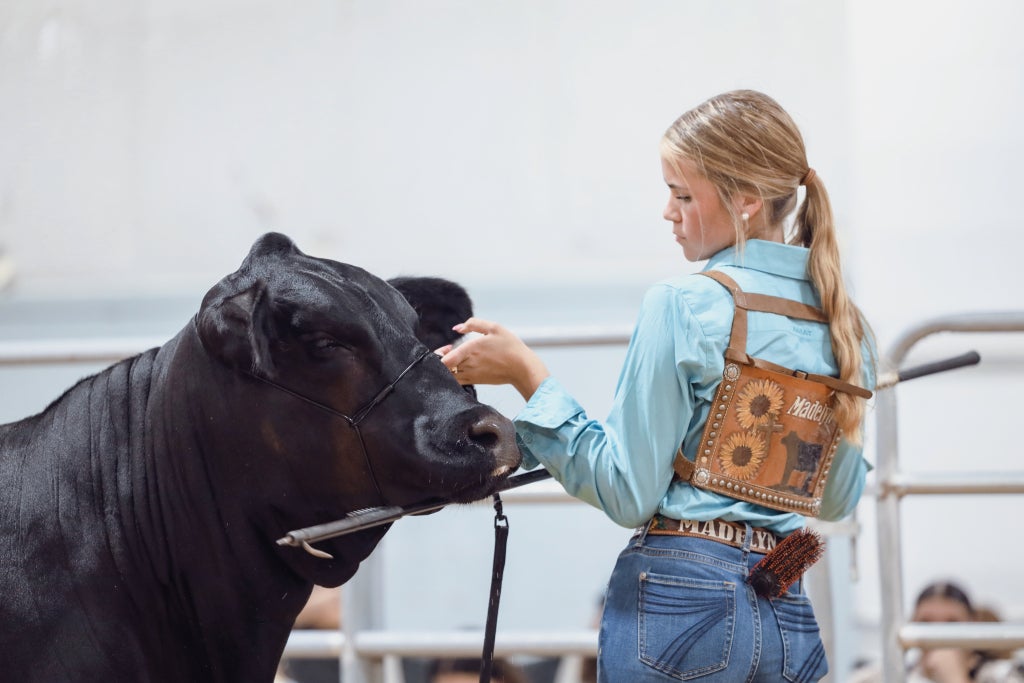
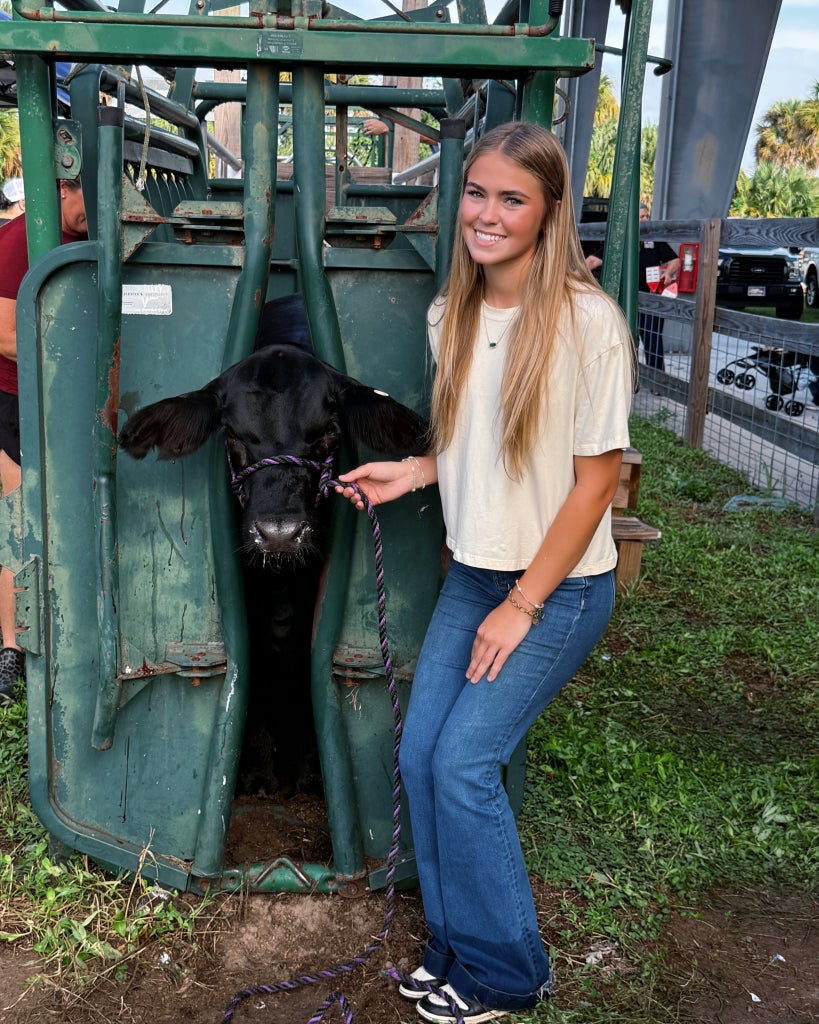
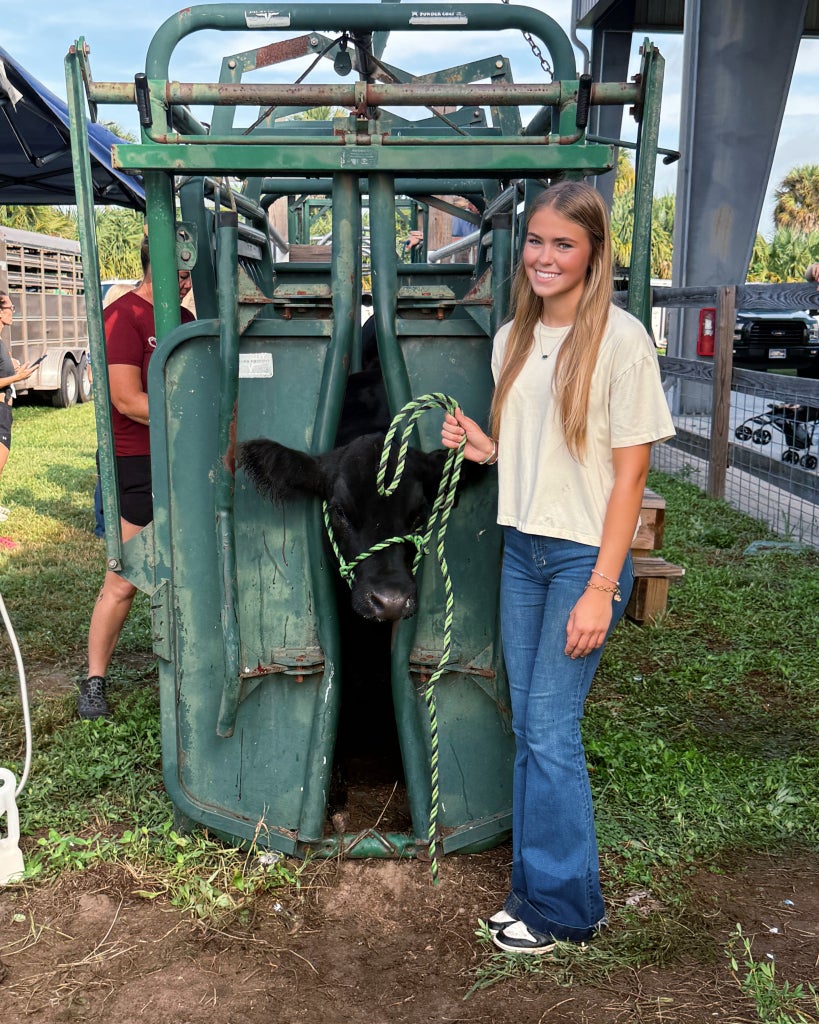
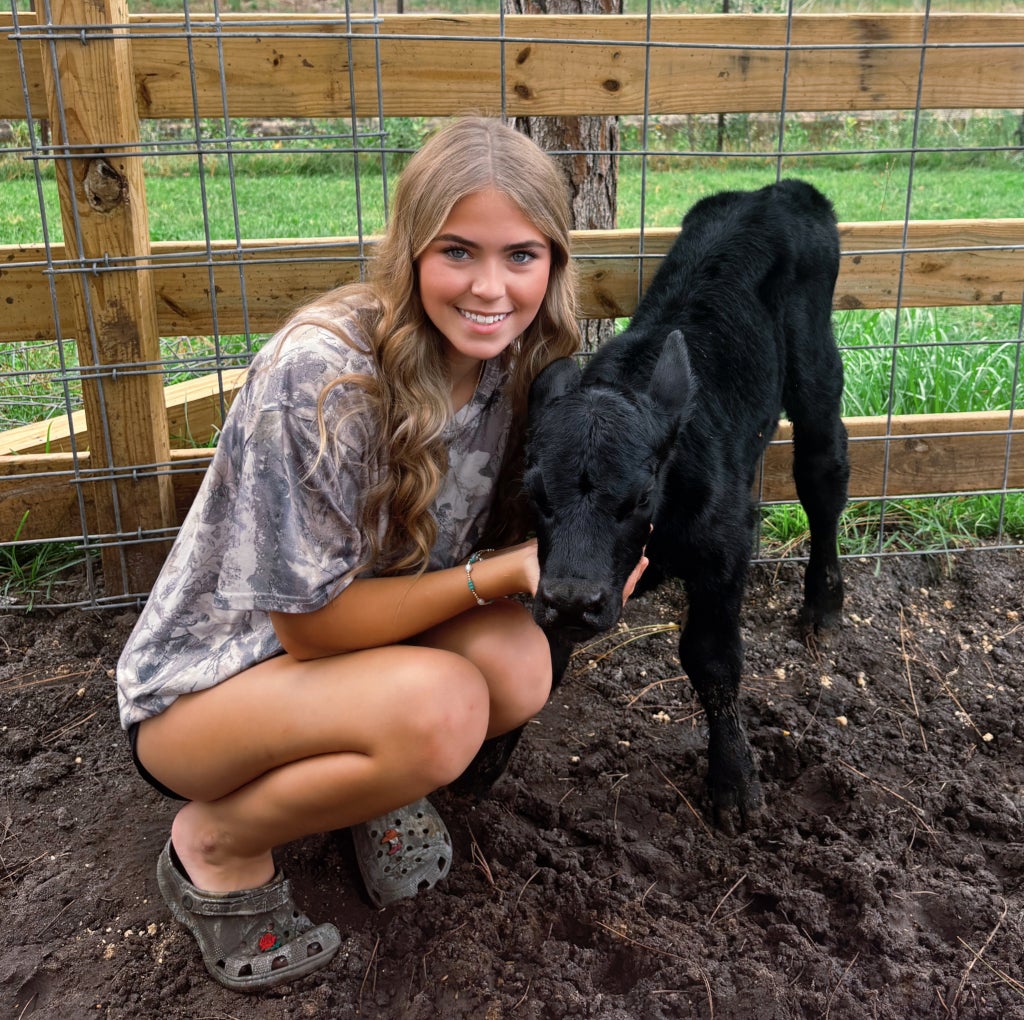
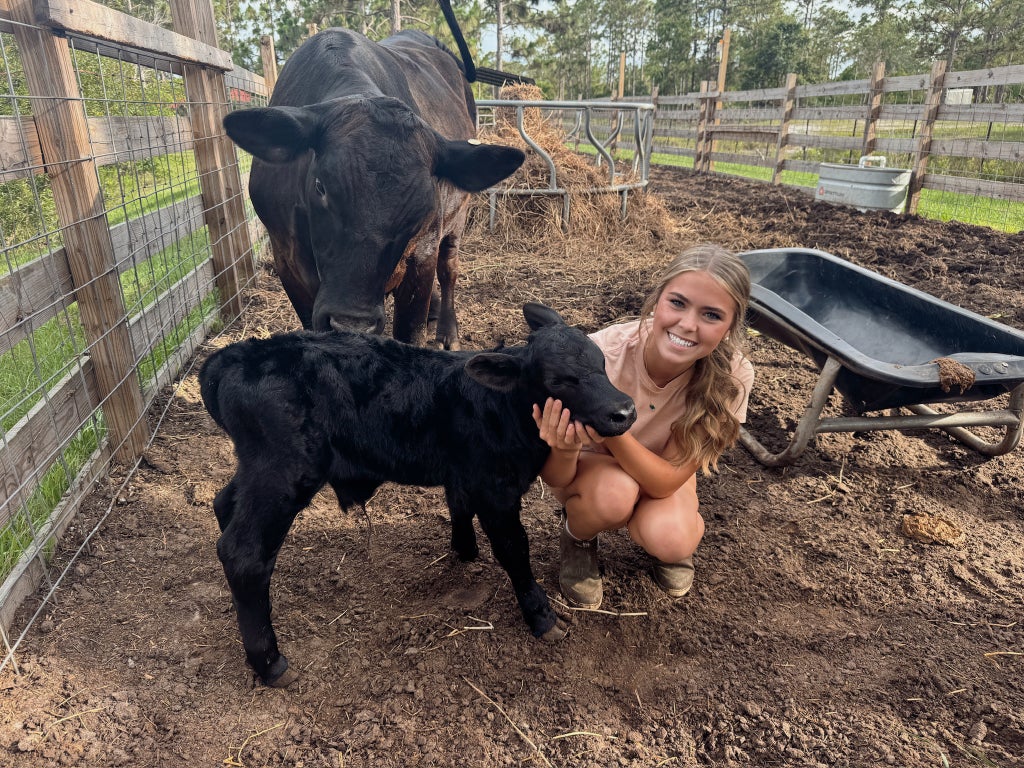
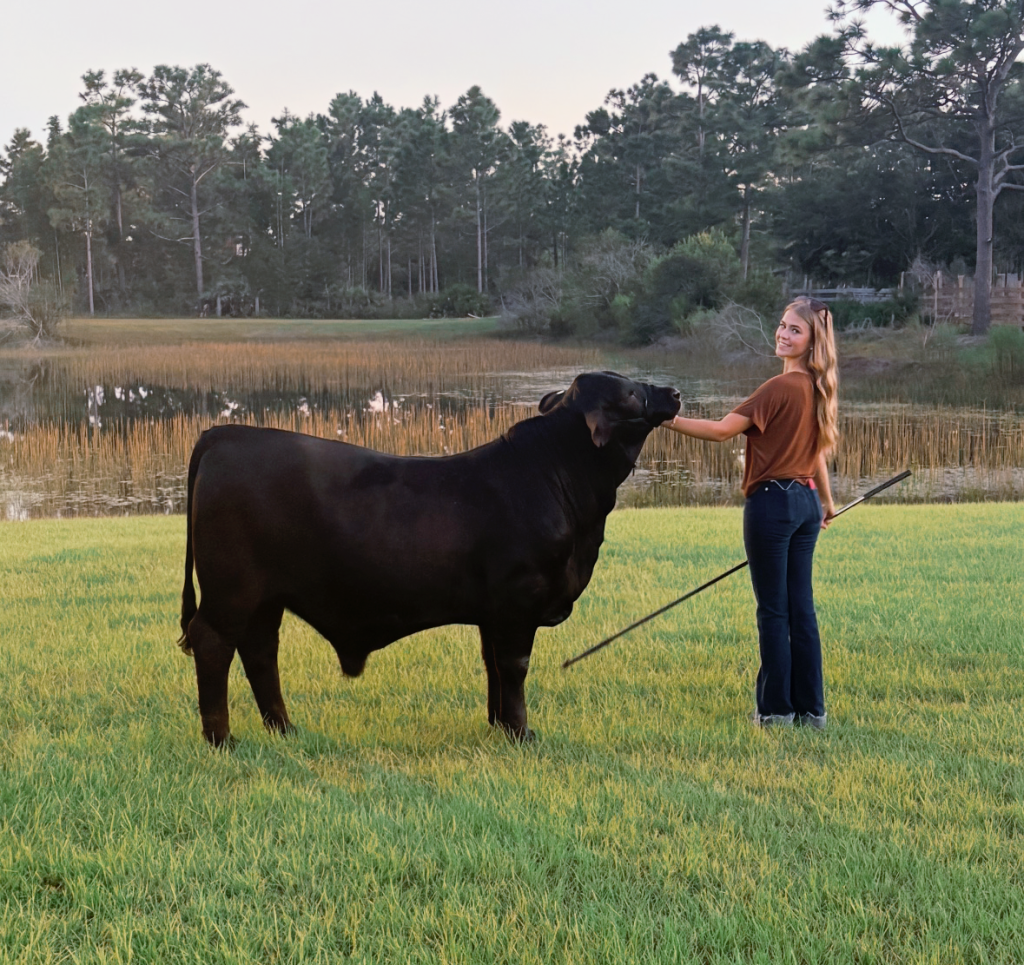
At the same time, expanding dry zones and intensifying heat stress threaten forage availability and herd health. In states like Florida, these challenges are a daily reality. Raising both a Bos indicus Brangus steer and a Bos taurus club calf side-by-side for my senior year reveals the stark difference firsthand: while a thick-coated clubby steer pants heavily and loses its appetite during heat waves reaching 110 degrees, a commercial Brangus steer handles high temperatures effortlessly, eating consistently and gaining steadily.
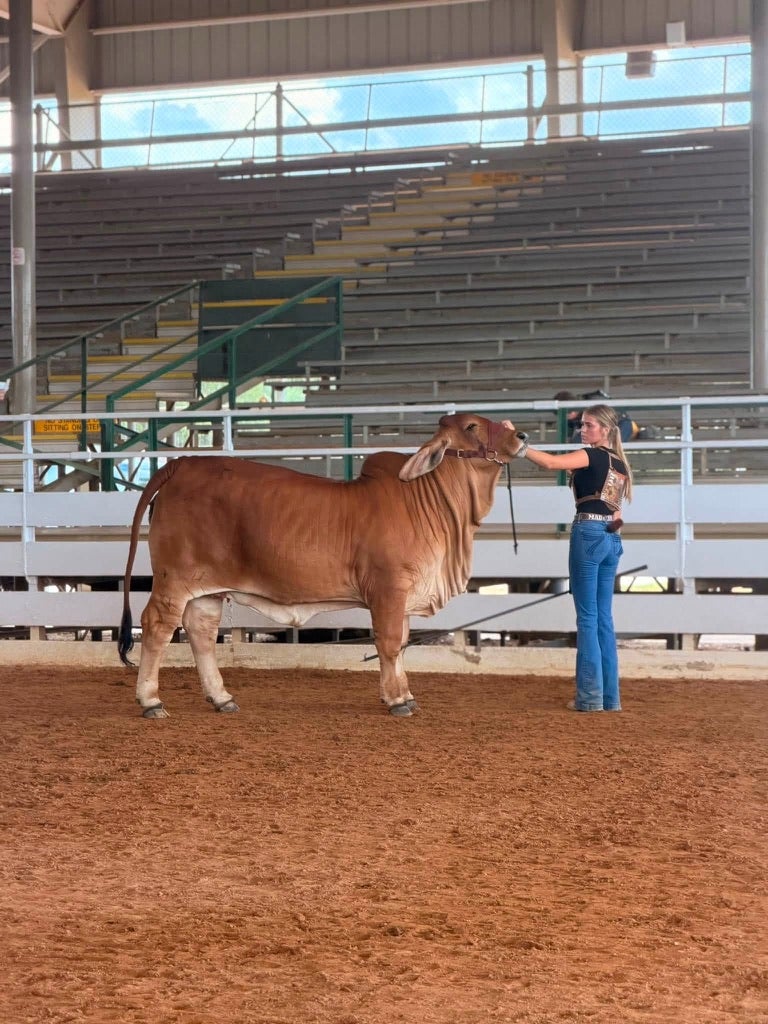
Brangus cattle are uniquely built for these environmental pressures. As a stabilized cross of 3/8 Brahman (Bos indicus) and 5/8 Angus (Bos taurus), they combine the heat tolerance and disease resilience of tropical lines with the exceptional carcass quality and maternal strength of Angus (Oklahoma State University Extension, n.d.). According to Texas A&M University Animal Science research, this hybrid vigor yields distinct advantages: maintaining lower internal body temperatures and higher conception rates in hot climates, exceptional stayability metrics that ensure cows produce high-quality calves year after year, and superior intramuscular fat and marbling traits that meet high consumer expectations.
Beyond climate resilience, Brangus cattle offer natural defense mechanisms against rising biological threats. Bos indicus-influenced cattle feature thicker skin, faster wound healing, and lower parasite loads, providing built-in tolerance to emerging biological vectors and invasive species. As USDA APHIS highlights in its 2026 unified response updates regarding the New World Screwworm, proactive defense against biological and pest pressures is vital, making natural resilience of this caliber an essential asset for protecting herd health and profit margins (USDA APHIS, 2026).
Genetics alone are only half the equation; producers must utilize advanced reproductive tools to multiply elite traits. Artificial insemination (AI) gives commercial and seedstock producers affordable access to elite herd sires without the capital cost of ownership, resulting in uniform calf crops, improved weaning weights, reduced disease transmission, and fewer bull-related injuries (Rocha et al., 2026). As noted by MU Extension synchronization guidelines, this is especially vital for later-maturing, Bos indicus-influenced lines that benefit from structured synchronization (Rocha et al., 2026). Furthermore, embryo transfer (ET) multiplies elite maternal lines and accelerates genetic gain. As documented in National Center for Biotechnology Information studies on bovine embryo production, because Bos indicus cows naturally possess higher counts of small resting egg cells, or antral follicles, they yield large numbers of immature oocytes via ovum pick-up without requiring expensive hormone superstimulation, making ET highly efficient in Brangus herds (NCBI, n.d.).
Admittedly, some critics argue that natural service is “good enough” or view advanced reproductive tools like AI and embryo transfer as overly expensive or complicated. For small and mid-sized commercial cow-calf operators running tight margins, the logistical hurdles such as setting up handling facilities, managing labor for heat-synchronization protocols, and timing AI windows can feel daunting. However, as economic data from MU Extension and Trans Ova Genetics demonstrate, streamlined synchronization protocols have made these tools increasingly accessible, and the long-term profitability gained through higher fertility and superior carcass quality far outweighs the initial investment (Rocha et al., 2026; Trans Ova, n.d.). The financial cost of failing to improve genetics in a volatile market is far greater than adopting reproductive technology.
Looking ahead, the beef industry will face complex challenges driven by climate change, invasive species and shifting consumer demands. While precision ranching tools, virtual fencing and genomic testing are rapidly becoming standard (USDA Climate Hubs, n.d.), none of these technologies matter if the cattle themselves cannot withstand environmental pressures. Brangus genetics are uniquely positioned to meet these demands.
For commercial producers across the southern United States managing tightening margins and intensifying heat, the next step is practical: regional ranches and commercial operations should integrate timed-AI synchronization protocols into their upcoming breeding seasons rather than relying solely on natural service bulls. By making this deliberate switch to Brangus genetics and reproductive management, producers can build the resilient, profitable herds necessary to secure our industry’s future.
References
- Bosques, J. (2023, August 17). Raising the Bar: How to Improve Beef Cattle Reproduction for a More Viable Operation. UF/IFAS Extension Hardee County. https://blogs.ifas.ufl.edu/hardeeco/2023/08/16/raising-the-bar-how-to-improve-beef-cattle-reproduction-for-a-more-viable-operation/
- Cattle Adapted to Tropical and Subtropical Environments. (n.d.). Texas A&M University Animal Science. https://animalscience.tamu.edu/cattle-adapted-to-tropical-and-subtropical-environments/
- Checking On The Cows From Your Phone – Technologies for Precision Ranching. (n.d.). USDA Climate Hubs. https://www.climatehubs.usda.gov/hubs/southwest/topic/checking-cows-your-phone-technologies-precision-ranching
- Commodity Costs and Returns | Economic Research Service. (n.d.). USDA ERS. https://www.ers.usda.gov/data-products/commodity-costs-and-returns
- Embryo Transfer. (n.d.). Trans Ova Genetics. https://transova.com/service/beef/beef-embryo-transfer
- National Cattlemen’s Beef Association. (2026, February 5). CattleFax Outlook Signals Cattle Cycle Turning as Strong Demand Meets Tight Supplies in 2026. https://www.ncba.org/news-media/news/details/46676/cattlefax-outlook-signals-cattle-cycle-turning-as-strong-demand-meets-tight-supplies-in-2026
- National Beef Quality Audits. (2022). Beef Quality Assurance. https://www.bqa.org/resources/national-beef-quality-audits
- Oklahoma State University Extension. (n.d.). Brangus Cattle. Oklahoma State Breeds of Livestock. https://breeds.okstate.edu/cattle/brangus-cattle
- Rocha, C. C., Martins, T., & Thomas, J. (2026, August). Estrus Synchronization Recommendations for Artificial Insemination of Beef Cows. MU Extension. https://extension.missouri.edu/publications/g2024
- Screwworm.gov | Unified Government Response To Protect the United States. (2026, September 4). USDA-APHIS. https://www.aphis.usda.gov/animals/animal-health/livestock-and-poultry-disease/stop-screwworm
- Strategies to increment in vivo and in vitro embryo production and transfer in cattle. (n.d.). National Center for Biotechnology Information. https://pmc.ncbi.nlm.nih.gov/articles/PMC7234104/