More Than a Meal: Bringing Agricultural Life to the Suburbs
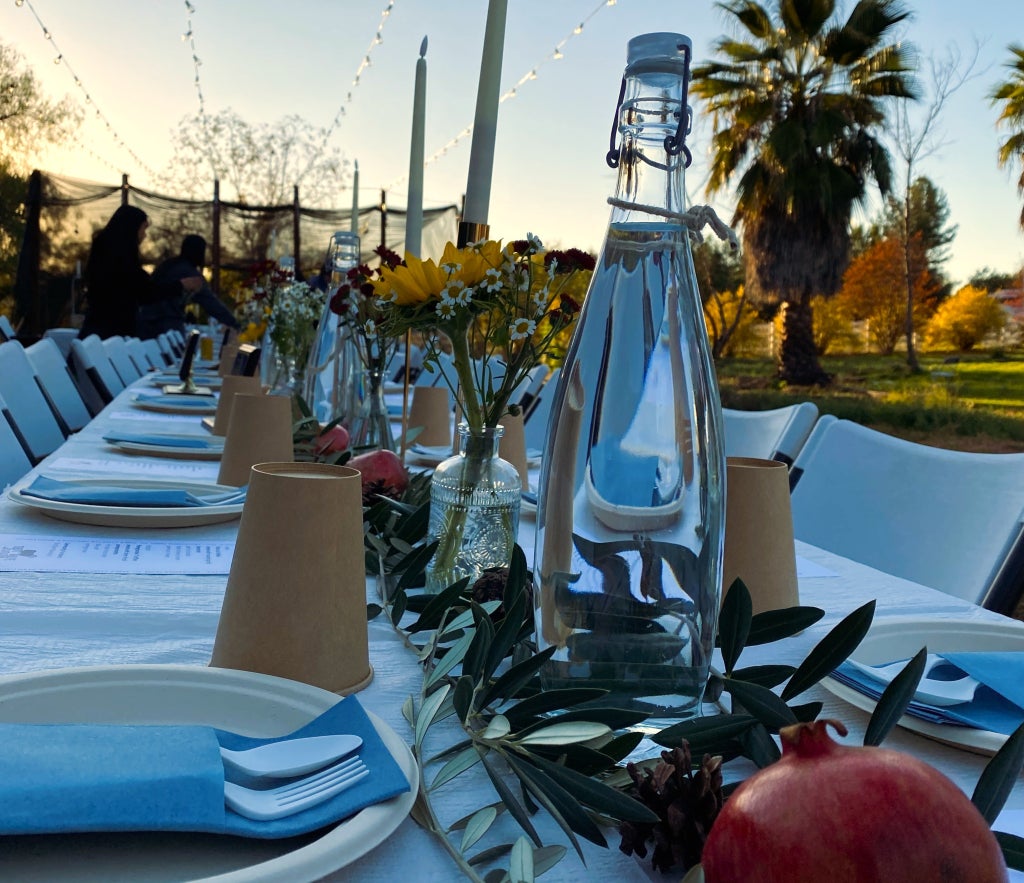
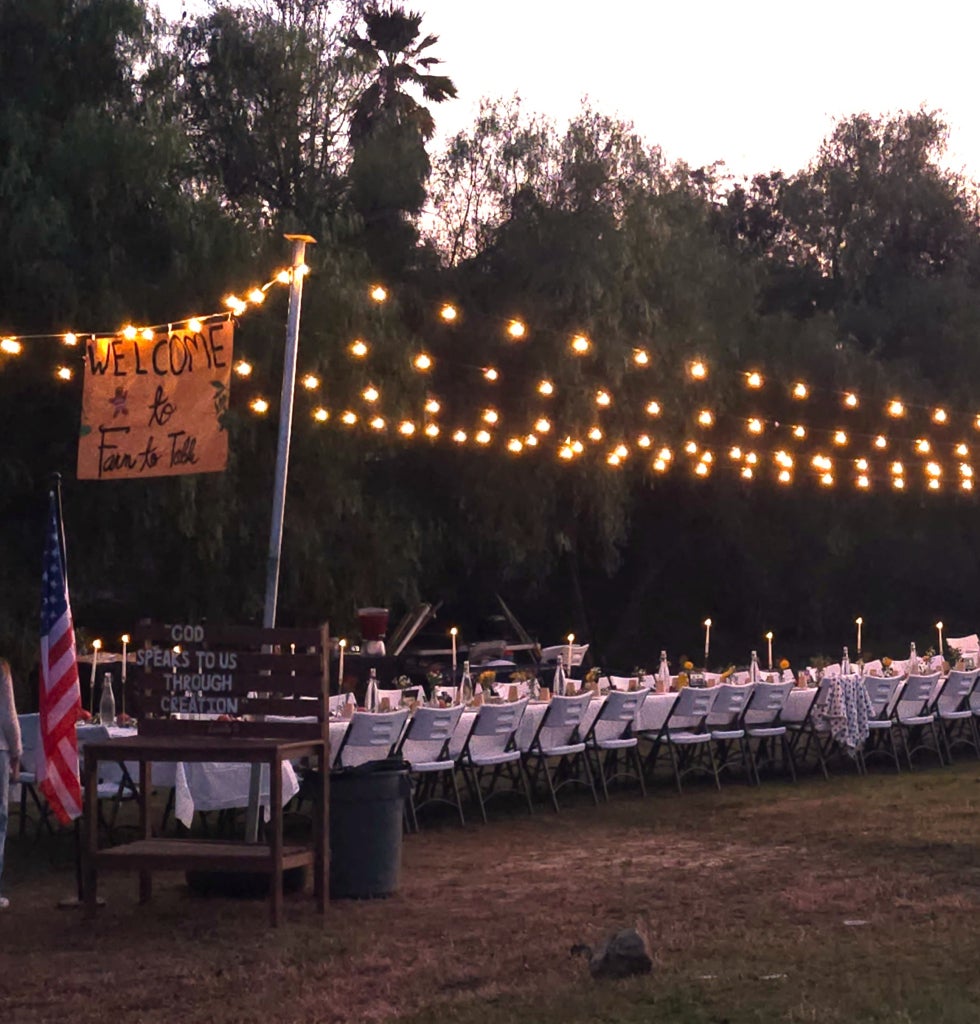
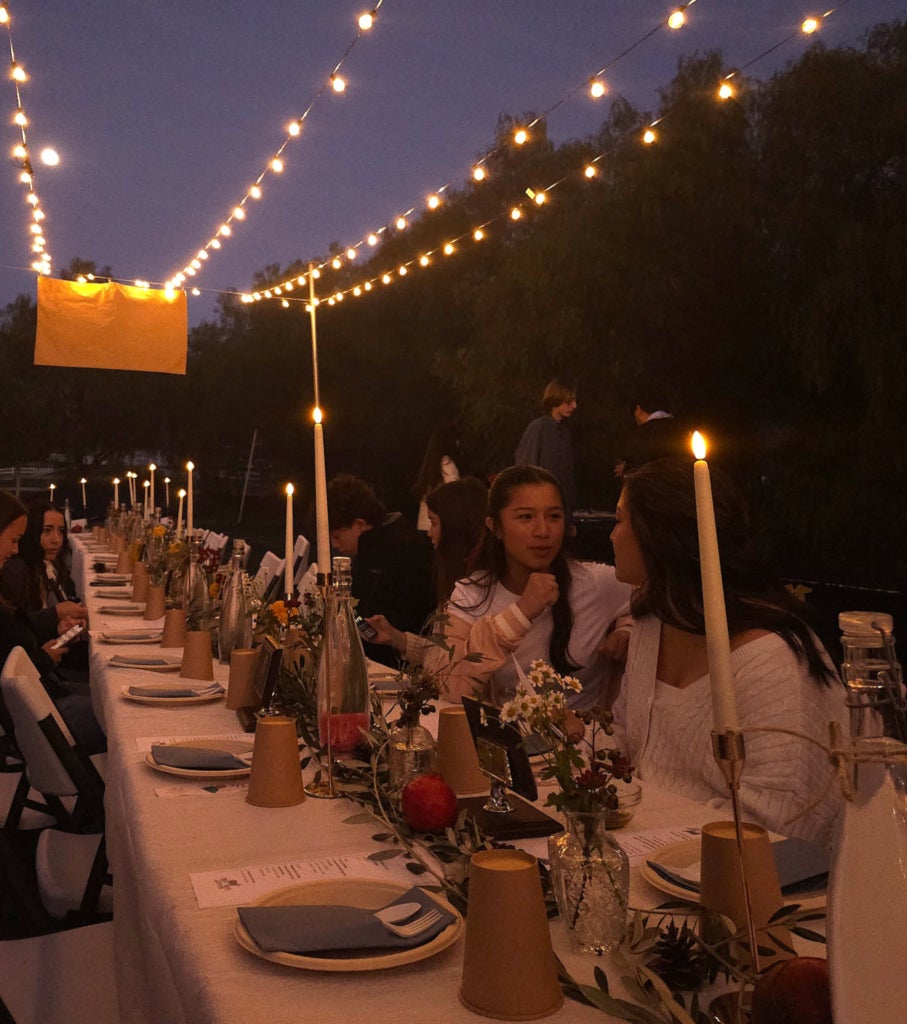
Autumn: A season of harvest and grateful celebration. For Temecula-Saint Jeanne Catholic FFA in California, however, it is also the best time to bring the truth of engaging in agricultural pursuits to students.
Situated in the midst of American urban sprawl, this chapter of nearly 110 members finds unique ways to inspire the next generation in a rapidly gentrifying environment. One of these methods is their annual Farm-to-Table dinner, an event that involves both agricultural education and building a community within the chapter.
FFA Advisor Rachel Harman calls Farm-to-Table “the most anticipated event” of the year — and for good reason. In terms of education, FFA Advisor Alexys Bautista puts it this way: “[Farm to Table] allows students and faculty to learn about what actually goes into the food in front of them. It takes time, labor [and] care to create what you eat. Without these processes, you would have none of what lies on your plate.”
The event takes place in November. Bautista revealed the plan to expand the event in 2026 by inviting industry professionals and emphasizing partnerships with agribusinesses to bring another aspect of the agricultural world to members and school staff.
In planning, the students in agricultural leadership and communications partner with peers in the food science course to develop a menu using crops harvested from the school’s on-campus regenerative farm and locally sourced products. During the event, a chapter meeting takes place before the dinner, open to students, faculty and industry professionals to introduce the program and explain the menu. Dishes are described in detail, along with the background of their ingredients, as each course comes out.
Vice Principal Jodie Brown says that the experience “re-affirmed the importance of knowing where your food comes from…[Farm-to-Table] demonstrates that it’s not as difficult to have this kind of food as we think.”
However, Farm-to-Table also brings a defining aspect of FFA to life: the community.
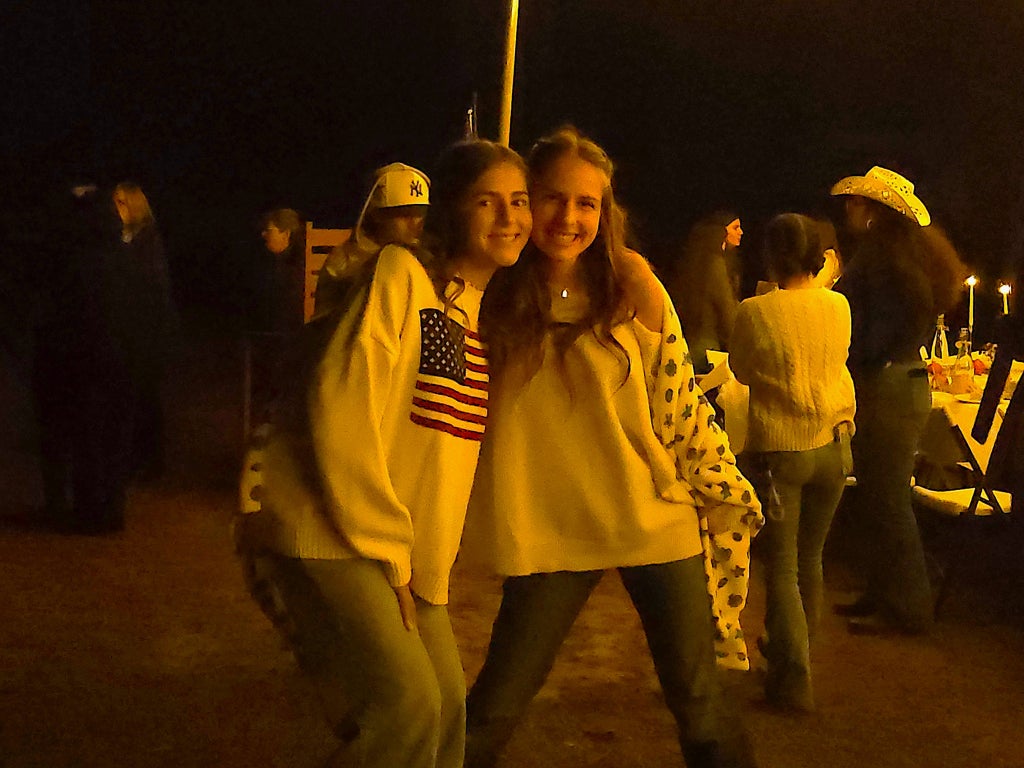
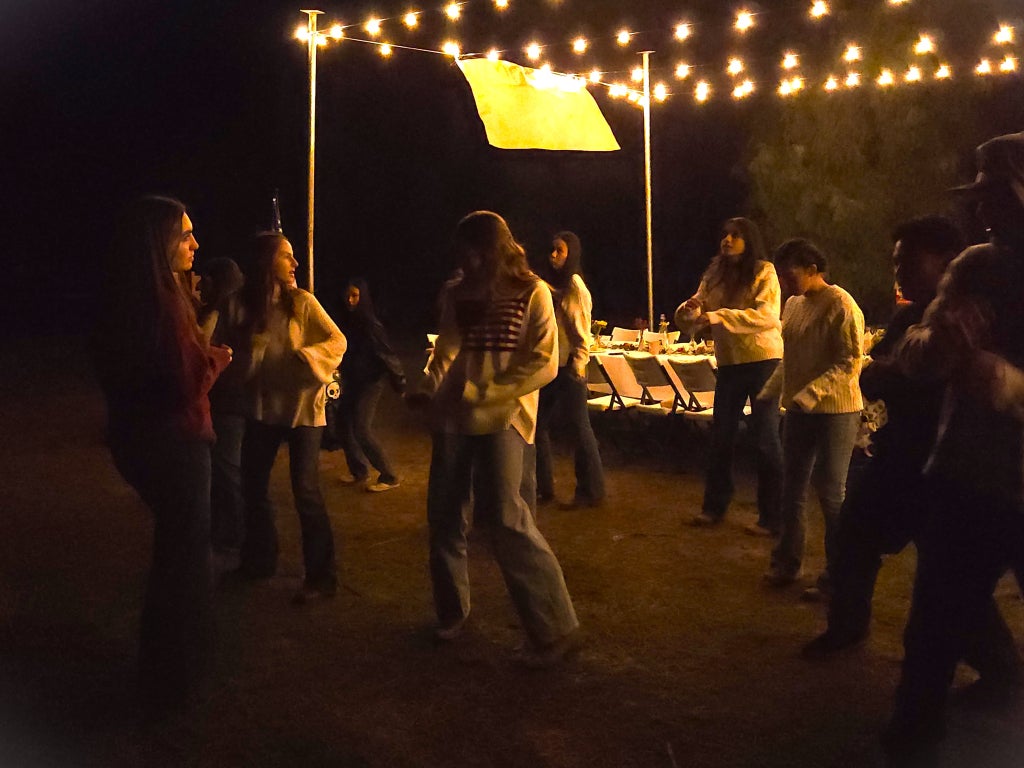
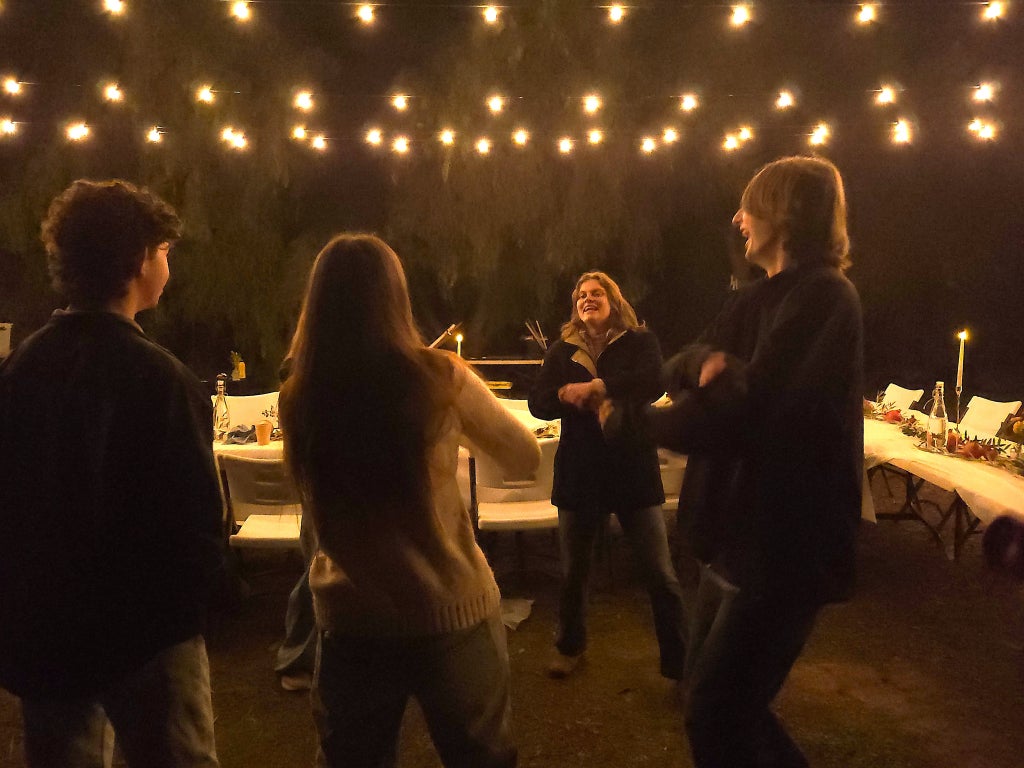
James Nichols, a junior in the chapter, recounts his first experience at the event as a Greenhand. “[The members] had dinner together, then line-danced together. Nobody was judging, and we were all there to have a good time.” Brown adds that the atmosphere allowed both staff and students to interact with people they normally wouldn’t.
Former state FFA delegate Mary Hranek reminisces about the first time she felt the strong bonds FFA creates. During the song “Cotton-Eye Joe,” she took a nasty fall during the line dance. “I was surrounded by classmates and chapter mates, but more than that, I was surrounded by friends. One by one, people picked me up, asking if I was okay, then continued on with the night.”
Hranek said, “When it comes down to it, that’s what the FFA is: people coming together with the fellowship of humanity as their common ground.”
“I believe that to live and work on a good farm, or to be engaged in other agricultural pursuits, is pleasant as well as challenging; for I know the joys and discomforts of agricultural life and hold an inborn fondness for those associations which, even in hours of discouragement, I cannot deny.” – E. M. Tiffany