Nebraska Community Garden Addresses Food Insecurity
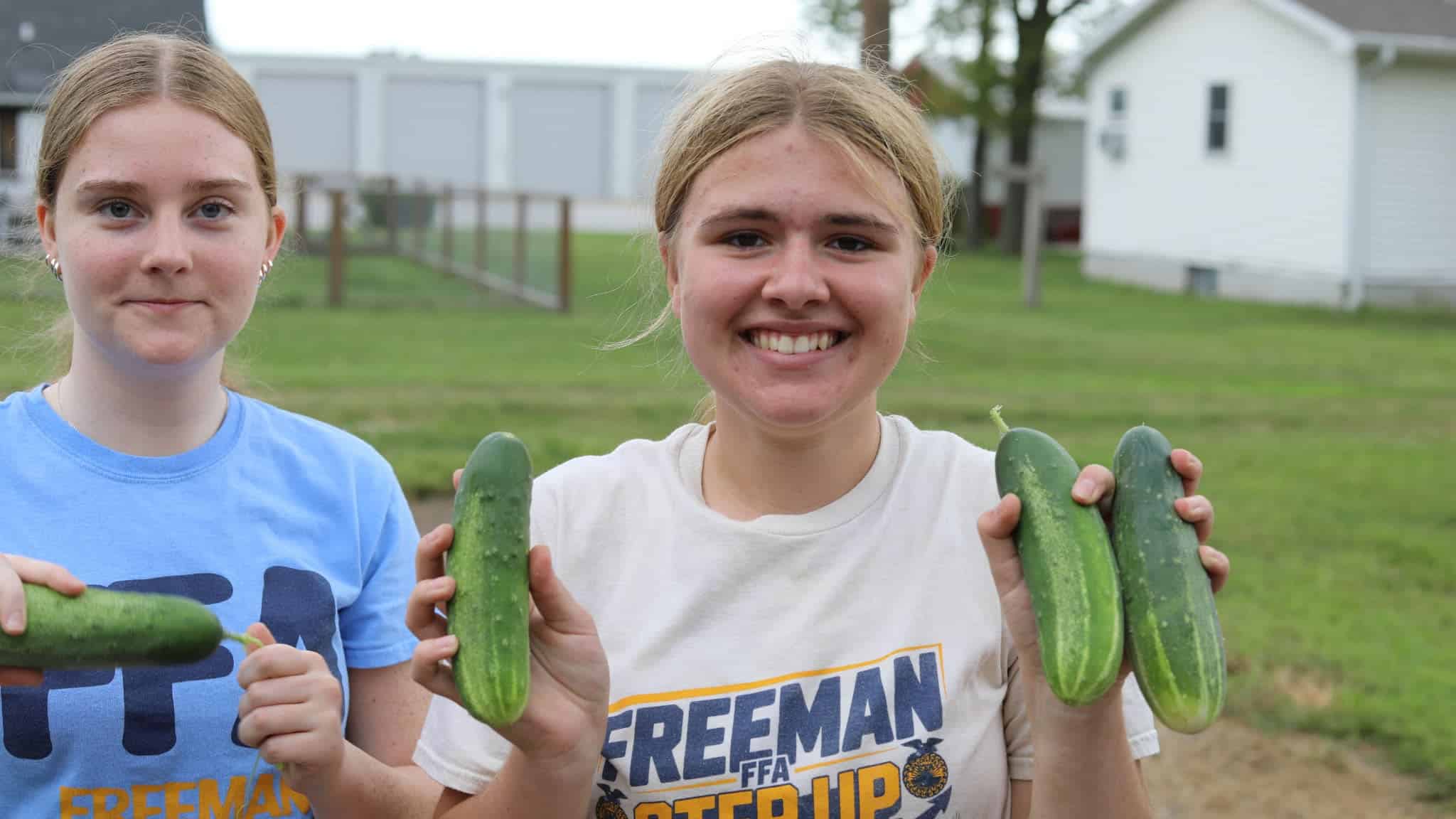

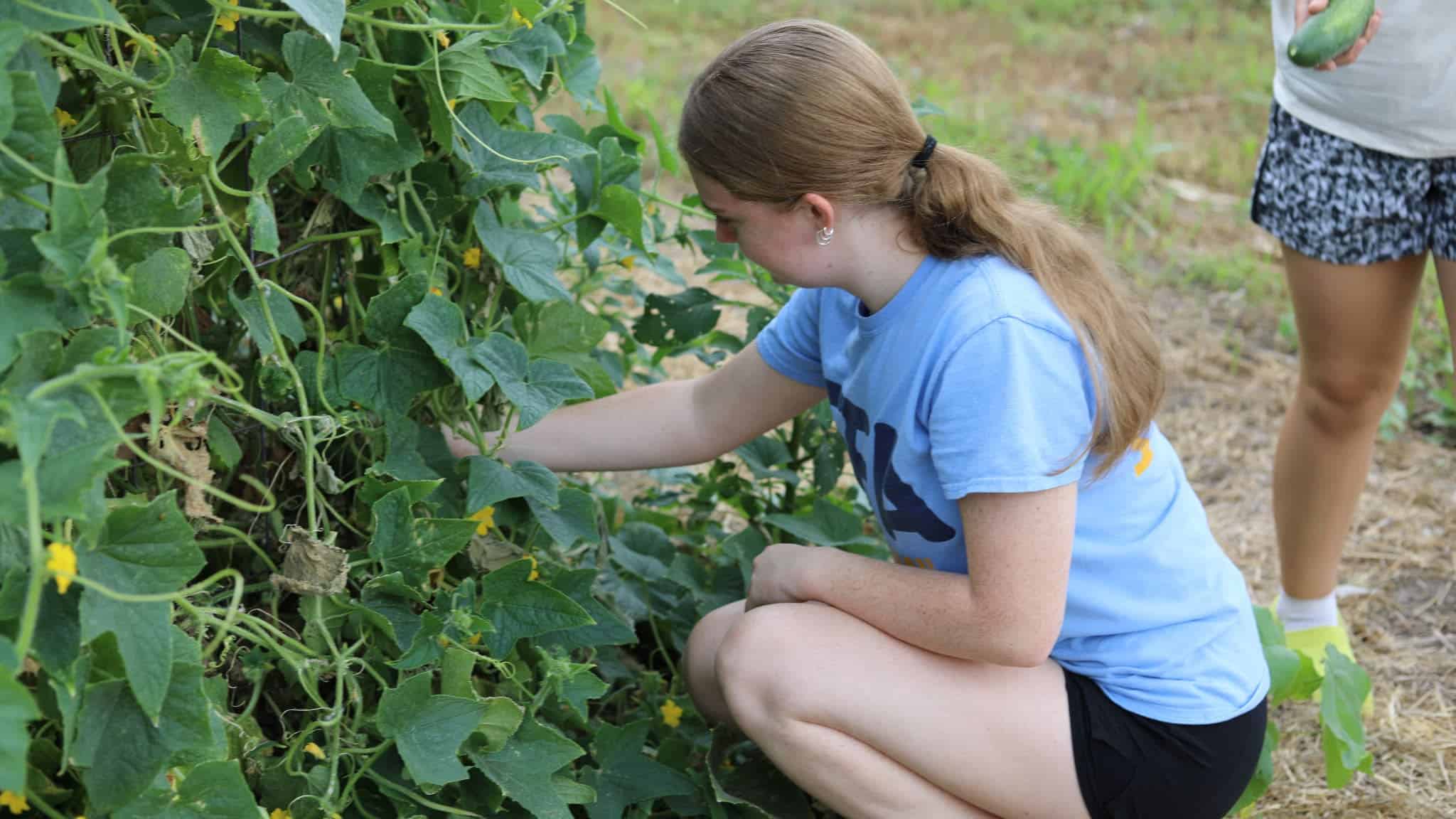
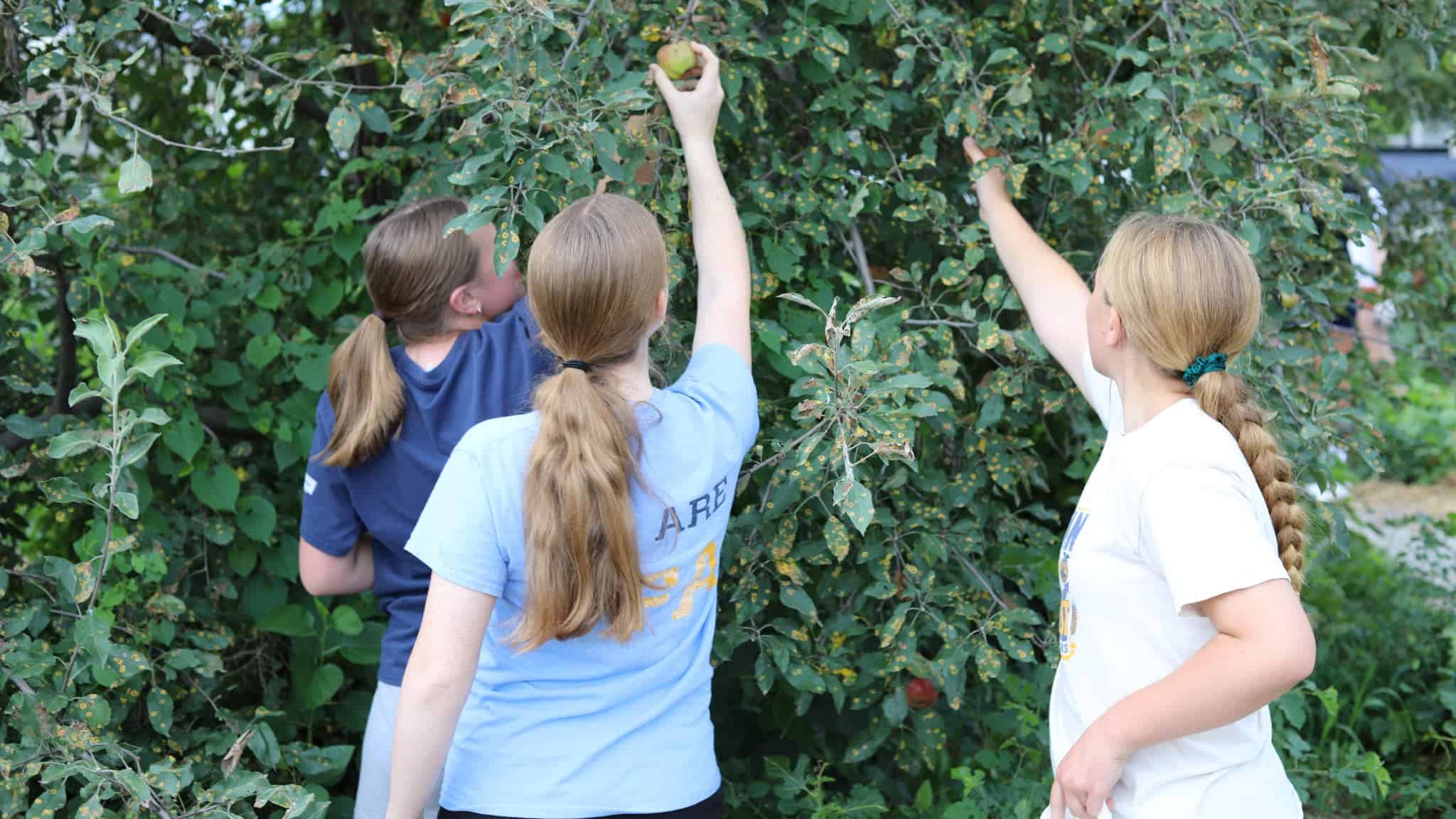
Freeman FFA members in Adams, Neb., devoted part of their summer to growing and harvesting vegetables for people in need in their community. Chapter members, including Nora Latta and Kinley Bolyard, planted the garden in the spring and then met once a week over the summer to weed, mulch, water and do whatever else needed to be done. Most years, the chapter has been able to harvest over a ton of produce to donate to nearby residents.
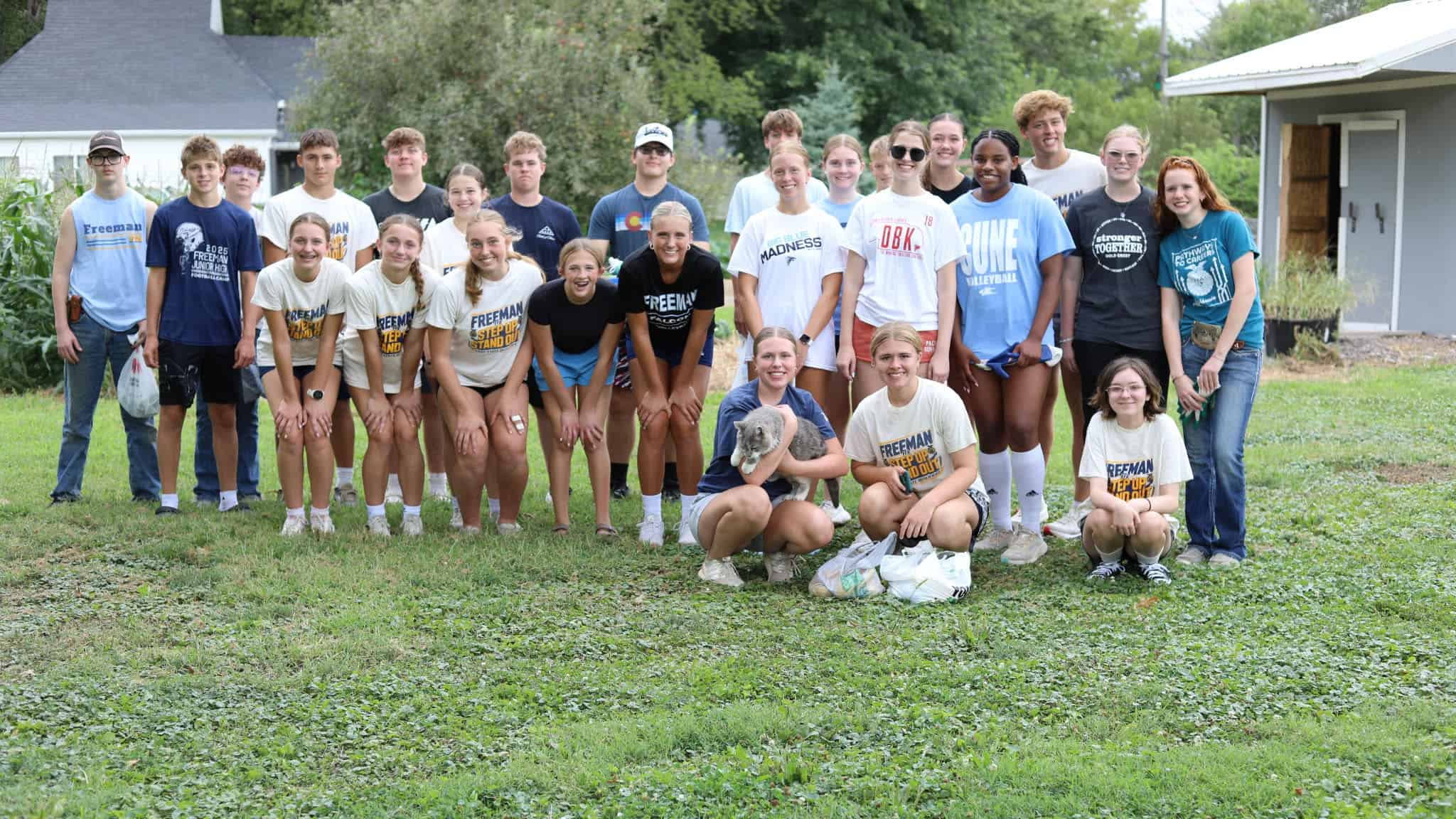
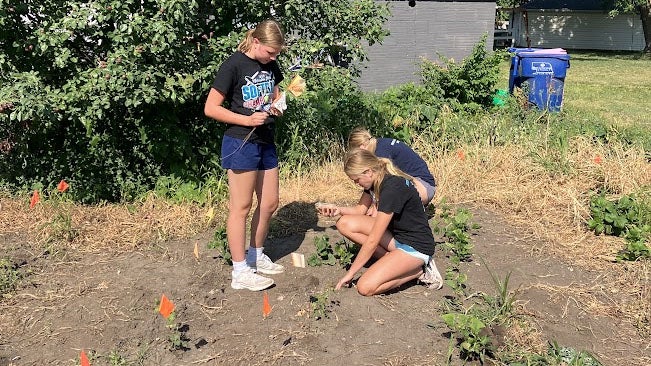
FFA members have been planting a donation garden every year since 2014, starting on land that was donated to the school and then expanding to an adjacent lot as well. The garden not only allows students to get hands-on gardening experience, but it also helps them address food insecurity and give back to their community. According to the Food Bank of Lincoln, Neb., 1 in 6 residents in the county are food insecure, which includes 1 in 4 children. “In a class of 35-40, that could be 9 or 10 students in class,” says Freeman FFA advisor Tony Jensen. “Hopefully, the students see the bigger purpose and realize the difference we are making.”

While working together in the garden, students have developed stronger friendships and extended their learning beyond the classroom. “My favorite part of the experience was seeing things we planted toward the beginning of the summer start to grow within weeks,” says Nicole Davison, a senior FFA member and chapter sentinel. “I also enjoyed being able to grow relationships with the younger FFA members and teach them about gardening.”

Over the years, students have experimented with growing different vegetables, but they’ve learned to stick with tried-and-true plants that their town’s residents love. This year they planted onions, cabbage, cucumbers, watermelon, squash, zucchini, sweet corn, tomatoes, peppers and green beans.

“Harvest starts in late July and can continue until October,” Jensen says. Since the school is 35 miles away from the nearest food pantry, FFA members deliver produce to nearby residents themselves — creating a route through town and asking residents what produce they would like that week. The chapter makes sure nothing goes to waste, taking any extra produce to nearby Gold Crest Retirement Center or bringing it to the high school’s food science class, so they can practice food processing techniques.
As they deliver the produce, students get to know nearby residents, and community members — many of whom are elderly and homebound — look forward to their weekly visits. “Through this experience, I was able to meet some amazing people who I would be excited to see every week,” says Courtney Holliday, a Freeman FFA alumna who graduated last year and helped distribute produce. “The experience left such an impact on me, because nothing is better than helping people in your own small town.”