The Hidden Cost of Artificial Intelligence
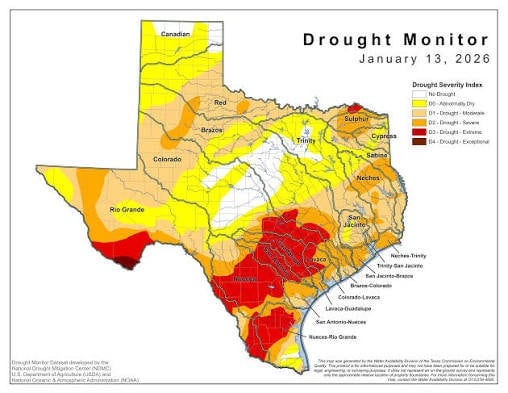
A recent study, showing drought caused by AI data centers throughout the state of Texas.
Artificial Intelligence, also known as AI, is becoming a major part of everyday life. It is used in schools, businesses, healthcare and even agriculture. Many people believe AI can improve efficiency and solve important problems. However, as AI technology continues to grow, concerns about its environmental impact are also increasing. In Texas, especially around Houston, AI data centers are using large amounts of water and electricity, which may create long-term problems for agriculture and natural resources.
In 2023 and 2024, residents in parts of Central Texas were encouraged to reduce their water usage after reports showed that AI data centers had consumed millions of gallons of water. Data centers are large facilities filled with computers that power AI systems. Because these computers run constantly and generate a great deal of heat, they require cooling systems that use significant amounts of water. Environmental experts warn that this could become a serious issue in areas already facing drought conditions and increasing water demand.
Farmers and ranchers are especially concerned about the effects this may have on agriculture. In and around Houston, farming communities depend on reliable water supplies to grow crops, raise livestock, and maintain healthy soil. Members of FFA and other agricultural organizations understand how important water is to food production and rural life. If more water is diverted to support technology infrastructure, farms may struggle to keep up with rising costs and limited resources.
Another concern is the potential for water pollution from data centers. If wastewater or chemicals are not properly managed, they can contaminate rivers, streams, and groundwater. Polluted water can damage crops, harm livestock, and negatively affect farmland. Since clean water is essential for agriculture, protecting water quality is extremely important for farming communities.
AI systems also require massive amounts of electricity. Much of Texas still relies on fossil fuels such as oil and natural gas to produce energy. This increased energy demand contributes to greenhouse gas emissions, which can worsen climate change. Houston has already experienced stronger storms, flooding, and unpredictable weather patterns that make farming more difficult and dangerous.
Although artificial intelligence offers many benefits, it is important to consider the environmental costs that come with its growth. Experts, policymakers, technology companies, and agricultural communities all have different opinions on how to handle these challenges. Some believe stricter environmental regulations are necessary, while others argue that AI companies should invest in more sustainable technology.
As Texas continues expanding its use of artificial intelligence, finding a balance between innovation and environmental protection will become increasingly important. Protecting water resources, farmland, and rural communities should remain a priority so that technological progress does not come at the expense of agriculture and the environment.