Creating Civic-Minded Leaders Through Service-Learning
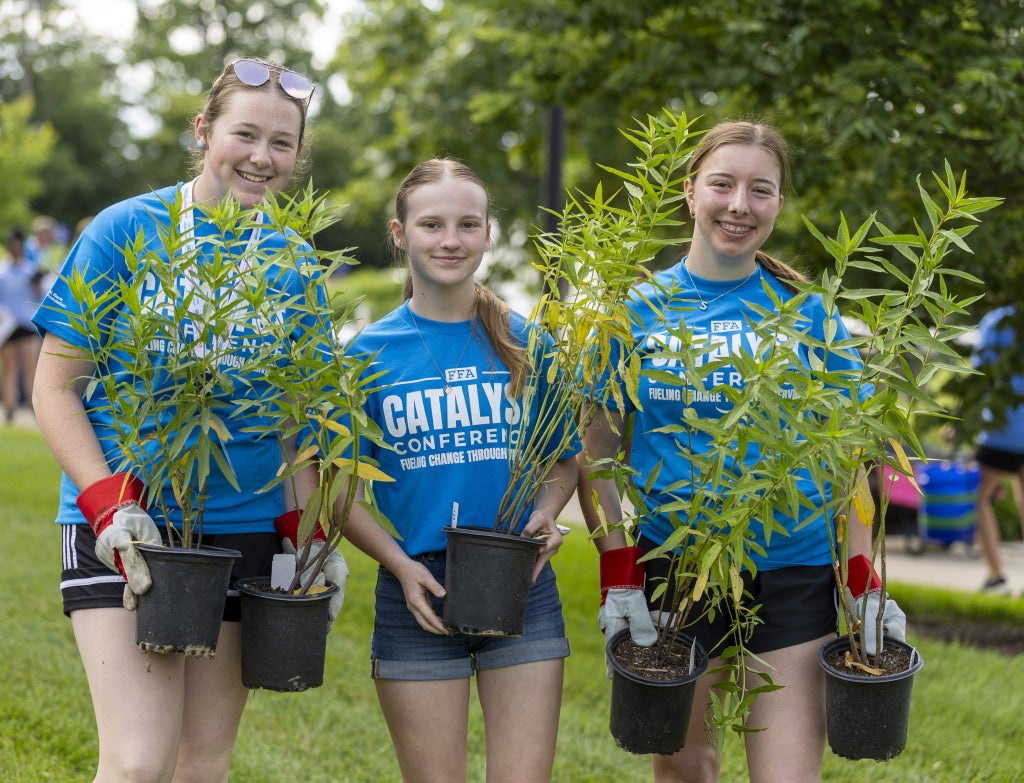
In June, 100 FFA advisors and FFA members from all regions nationwide gathered in Indianapolis for the first-ever National FFA Organization Catalyst Conference. Representing 25 different FFA chapters, participants eagerly participated in hands-on service-learning projects and community service planning curriculum.
The goal of the conference is for the members and advisors to return to their chapters ready to create service plans that specifically benefit their communities.
“We’re walking them through the process of developing a service project plan and helping them assess their community’s needs,” said Elizabeth Sendelweck, program manager at the National FFA Organization.
Golden Valley County FFA Advisor Marty Campbell traveled with chapter members from North Dakota to attend. “Our biggest takeaway as a chapter is to acknowledge the authentic need in the community versus the assumed need when planning and implementing an impactful project,” Campbell said.
The Catalyst Conference pilot was made possible by the Arthur M. Blank Family Foundation, a first-time donor to National FFA, which made a generous $3 million gift in September 2025. The donation will be used over two years to support FFA members involved in community service projects, service-learning and civic leadership programming.
“The goal here is to support the development of good citizens in a broad number of ways, in whatever a young person wants to do in order to contribute positively to their community,” Vanessa Tucker, the senior program officer for the Blank Foundation, said.
In addition to helping launch the conference, the funding will support state- and student-focused Living to Serve grants, community engagement plans developed by Washington Leadership Conference attendees and Days of Service at the National FFA Convention & Expo.
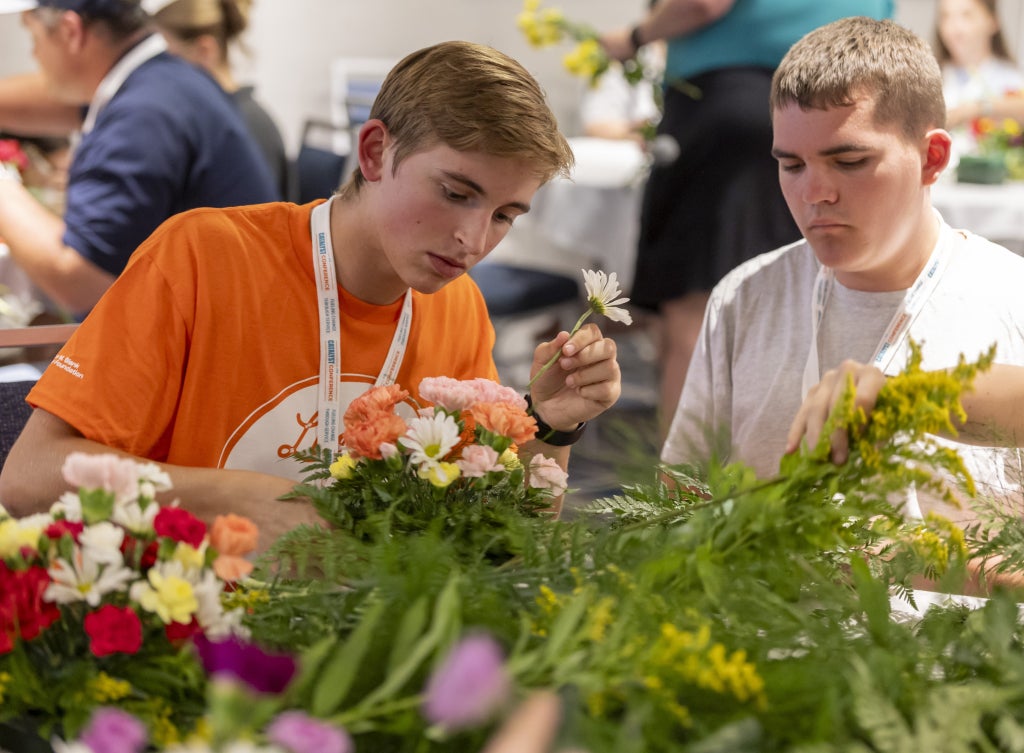
Sendelweck’s team receives a variety of grant applications from FFA members, such as projects that aim to improve farm and ranch safety by preventing accidents and preparing for natural disasters. Others are focused on natural conservation efforts, providing resources for unhoused neighbors or helping community centers grow food.
“Students are thinking about this within agricultural education,” she said, “and students are thinking about how to help people while they’re looking at specific problems that they’re trying to fix.”
Service-learning through FFA programs provides a multifaceted experience for young people. Not only do members identify challenges to address and find ways to help others, but they also gain critical skills to become civic-minded citizens engaged in the betterment of their communities for long-term impact.