When the Sirens Sound: Tornadoes Strike Clinton County and What Farmers Can Do Next
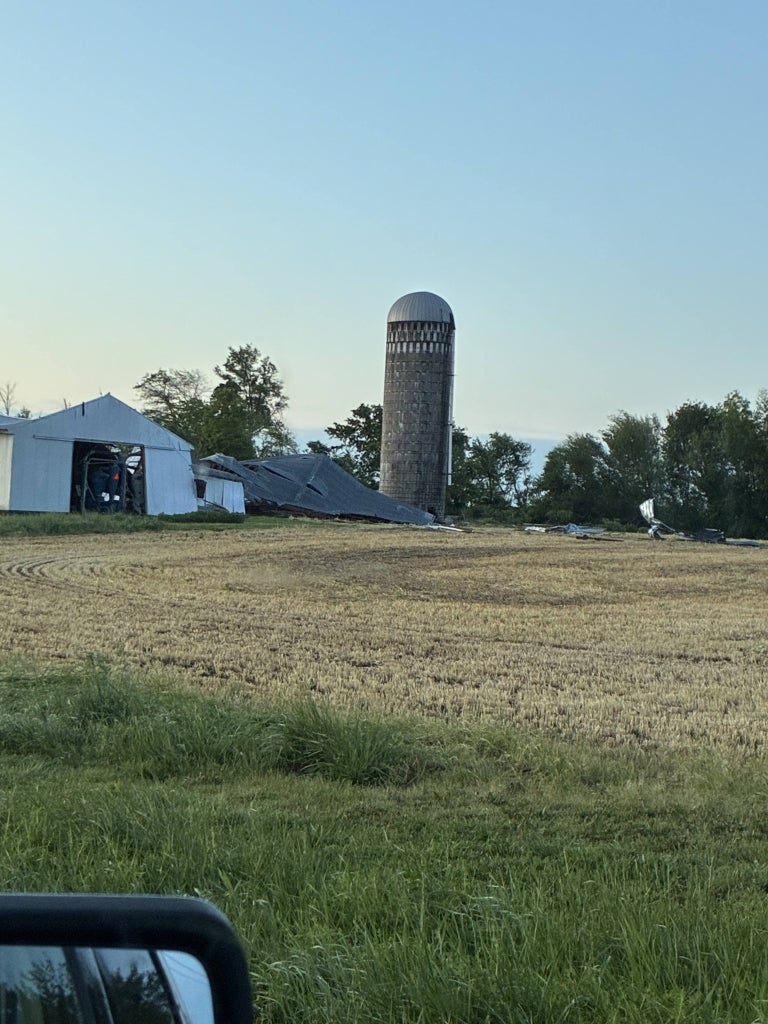
EF-1 level damage done to a farm south of Beckemeyer, Ill.
Severe Weather Hits South Central Illinois
On a Monday afternoon, the skies over Clinton County, Ill., turned from calm to threatening in a matter of minutes. What began as a typical spring day quickly escalated into a dangerous severe weather event, with meteorologists issuing a Particularly Dangerous Situation (PDS) tornado warning — an alert reserved for storms capable of producing significant, life-threatening tornadoes.
By the end of the day, two EF-1 tornadoes had touched down across the county. While not the most violent on the Enhanced Fujita scale, EF-1 tornadoes still pack winds between 86 and 110 mph — strong enough to tear roofs from homes, uproot trees and devastate farmland. In Clinton County, that strength was clearly felt.
Yet, in what many are calling a stroke of luck, numerous homes were spared direct hits. While some structures suffered damage, entire neighborhoods avoided catastrophic destruction by just a few hundred yards. For many residents, especially farmers, the relief of spared homes was tempered by widespread agricultural loss.
Fields across the county told a different story. Crops were flattened or shredded by intense winds. Debris, ranging from tree limbs to twisted metal, was scattered across acres of farmland, making fields difficult or dangerous to work. In some areas, heavy rainfall led to localized flooding, washing away topsoil and creating long-term challenges for planting and recovery. Fence lines were destroyed, equipment was damaged and livestock operations were disrupted.
This event serves as a reminder that even when homes are spared, agriculture often takes the brunt of severe weather.
What Farmers Should Do After Severe Weather
The hours and days following a storm are critical. Below are key steps farmers can take.
1. Ensure Safety First
Before assessing damage, check for downed power lines, gas leaks or unstable structures. Avoid entering heavily damaged buildings until they are deemed safe.
2. Document Everything
Take photos and videos of all damage to fields, equipment, buildings and livestock. This documentation is essential for insurance claims and potential disaster assistance.
3. Assess Crop Damage
Evaluate how much of your crop is salvageable. In early growth stages, some crops may recover. Consult agronomists or extension services for guidance.
4. Clear Debris Carefully
Remove debris from fields and access roads, but use caution. Hidden hazards like nails, glass or sharp metal can cause injury or equipment damage.
5. Check Livestock
Account for all animals, treat injuries and ensure fencing and shelters are restored quickly.
6. Contact Insurance and Local Agencies
Report damages promptly. Local United States Department of Agriculture offices or farm service agencies may offer support programs after disasters.
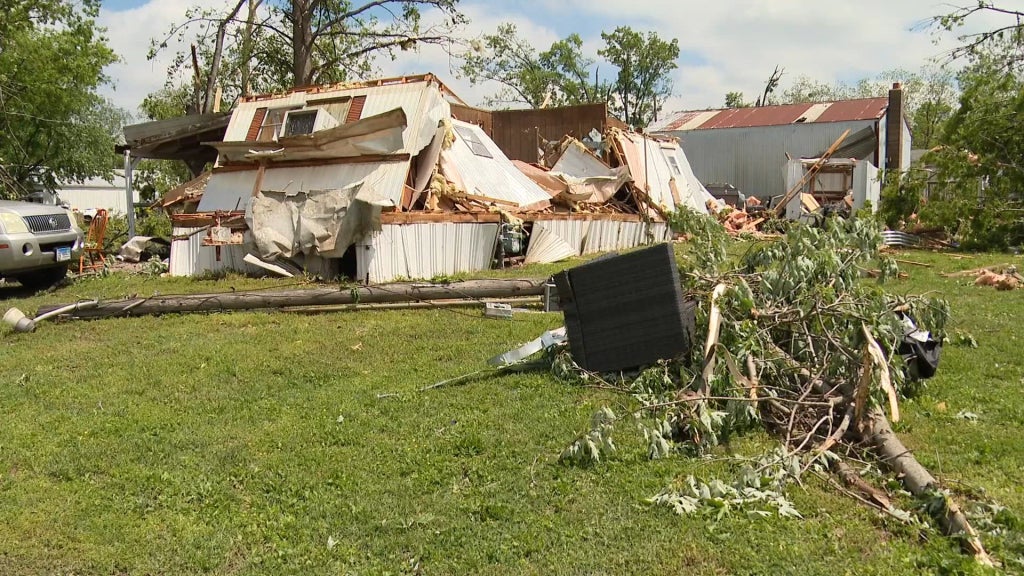
Mobile home destroyed by tornado in the heart of Germantown, Ill.
How FFA Chapters Can Help During Storm Season
Local FFA chapters play a powerful role in supporting their communities during times like this. Consider the following ways to lend a hand.
- Volunteer Cleanup Crews: Members can help remove debris, repair fences and assist elderly farmers.
- Supply Drives: Organize collections of feed, water, tools and basic necessities for affected families.
- Community Awareness: Educate others on storm safety and preparedness through events or posting on social media.
- Emotional Support: Sometimes overlooked, simply showing up to help can make a huge difference for families facing loss.
These efforts not only support recovery, but strengthen the connection between young agricultural leaders and their communities.
Preparing in Advance: Severe Weather Readiness for Farmers
While no one can prevent a tornado, preparation can make a major difference. Consider these steps to ensure you’re prepared.
1. Develop an Emergency Plan
Know where to go during a tornado warning, whether it’s a basement, storm shelter or designated safe area. Make sure all workers and family members understand the plan.
2. Secure Equipment and Structures
Anchor lightweight equipment, reinforce barns where possible and store chemicals or fuels safely to prevent spills.
3. Maintain Drainage Systems
Proper drainage can reduce flooding damage in fields and around buildings.
4. Backup Records Digitally
Keep digital copies of farm records, insurance policies and inventories in case physical copies are lost.
5. Invest in Weather Alerts
Use NOAA weather radios or reliable mobile apps to receive warnings instantly, especially critical ones during fast-moving storms.
6. Crop Insurance and Diversification
Having the right insurance coverage and diversifying crops can help reduce financial risk after a disaster.
Moving Forward
The tornadoes that struck Clinton County were a powerful reminder of both the unpredictability of nature and the resilience of rural communities. While many homes were spared, the damage to farmland highlights the unique vulnerability farmers face.
Recovery will take time, but with preparation, community support and the determination that defines agriculture, Clinton County will rebuild, replant and rise again.
Learn more about the Clinton County tornadoes here: Tornadoes rip through Clinton County, Illinois, communities