When Misconceptions Hurt Producers
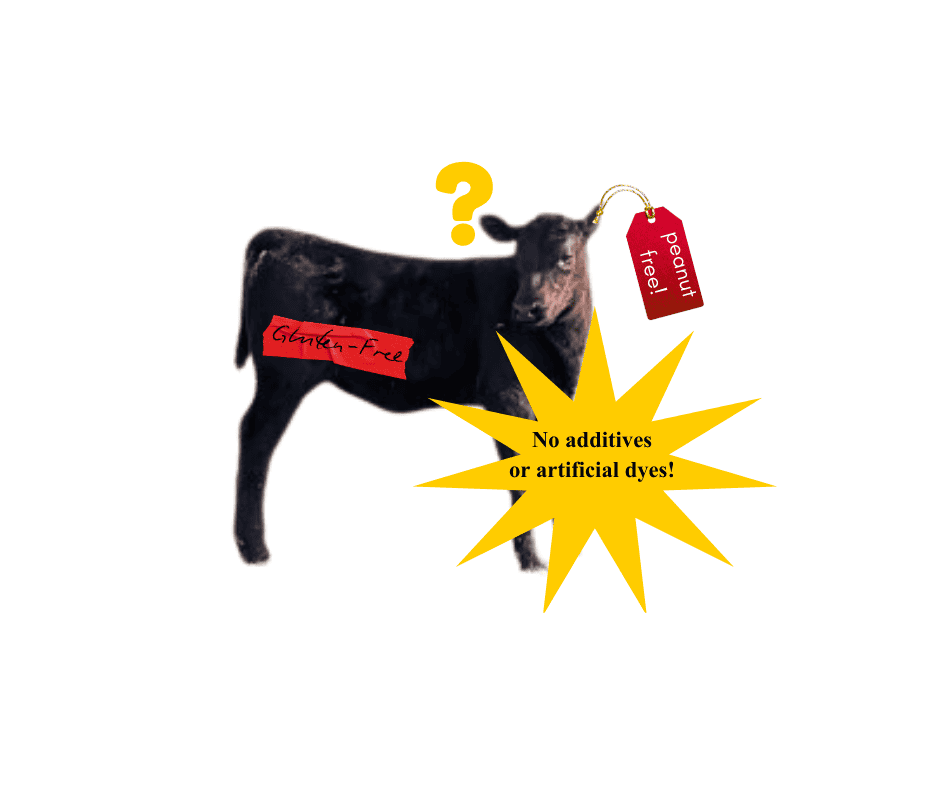
What are misconceptions?
A misconception is defined as “A view or opinion that is incorrect because it is based on faulty thinking or understanding.” According to the U.S. Department of Agriculture (USDA), 10.4% of people in the United States work in agriculture, of which 1.2% are in direct on-farm employment. With critical information gaps, persuasive advocacy groups, misleading ads and fewer and fewer people involved in agriculture, it’s understandable how misinformation can spread like wildfire.
How do these misconceptions hurt producers?
Growing up on a cattle ranch, I see firsthand how misconceptions can hurt producers. These misconceptions confuse consumers and cause a lack of trust between consumers and producers.
“Misinformation can impact consumer perception and purchasing behavior, especially regarding agricultural products and their safety. It also erodes consumers’ trust in the food supply chain and agricultural practices especially when consumers are misled into purchasing products that do not meet their expectations.” (from Misinformation in U.S. Food and Agriculture: A Policy Analysis of Misinformation in U.S. Food and Agriculture: A Policy Analysis of Impacts and Recommended Solutions, Woodside).
How can you, yes YOU, work to fight against misinformation?
The number one thing you can do is educate yourself. By educating yourself with credible, primary sources, the information you learn will automatically seep into how you talk to others.
That’s how I handle misinformation. I’m currently a high school senior in South Dakota, and I have noticed that the way I talk about agriculture has changed drastically over the past five years as an FFA member. I remember, before I got involved in FFA and made agricultural advocacy a focus of mine, I would see things on TV, watch ads, or read articles online bashing agriculture. They upset me, but I didn’t know how to address what was wrong or what to do about it. But as I took ag courses, researched and gave speeches, and met people from all kinds of industries through FFA, I found that what I had learned over the years bleeds into the way I talk to my peers, even subconsciously. The best way to stop misinformation is to stay curious, educate yourself and encourage agricultural education for others.
An industry that feeds you is an industry worth fighting for. If you are interested in learning more about agricultural advocacy and literacy, visit FFA.org/ag-literacy-and-advocacy/.