Passports to Perspective: Expand Horizons Through Travel
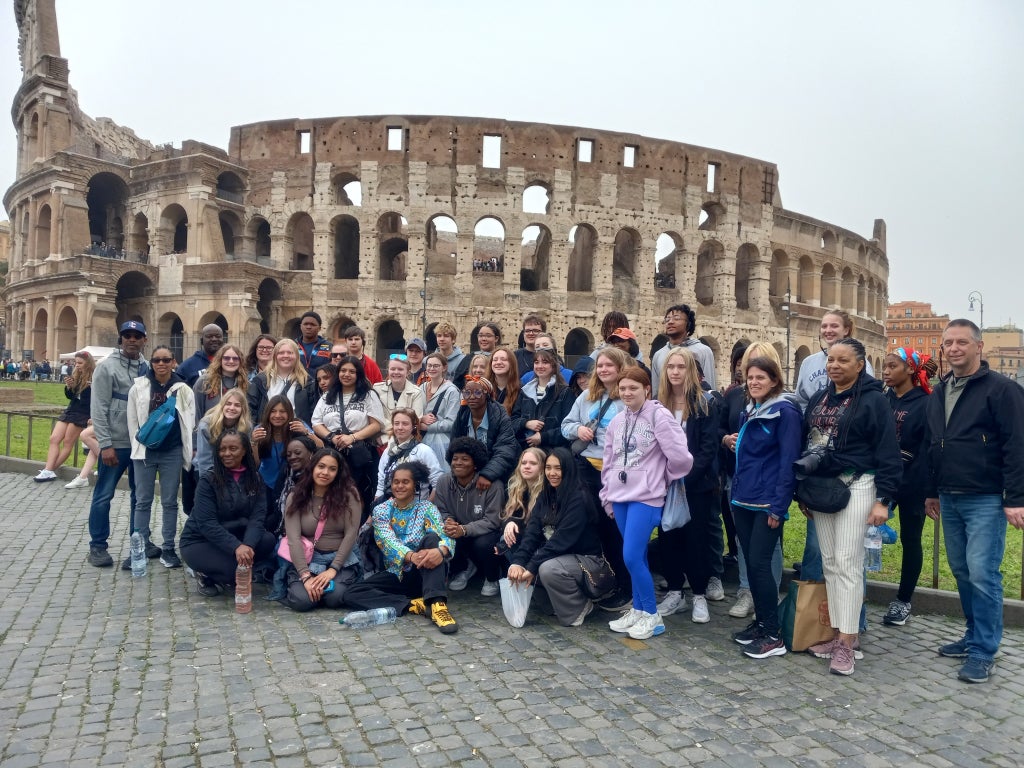
Advisor Bailey Creamer and Elkhorn FFA members from Wisconsin.
The world is a massive classroom, and some of the most important lessons we learn aren’t found in a textbook. Trips aren’t just stamps in our passports; they’re gateways to new experiences and opportunities we aren’t used to.
For many students across the country, school-sponsored travel gives them the chance to see lessons firsthand and in person. Students can try new foods, learn history and immerse themselves in the cultures of the places they visit. But what is the reason behind all these trips? Today I will walk you through some of the steps and motivation behind international school and club-sponsored travel.
Why Teachers Choose to Lead These Trips
For adults choosing to sponsor or lead trips, the idea often begins with a spark of passion for travel or new experiences in their own lives. For educators like Amie Dienger, who advises the Elk Mound FFA Chapter in Wisconsin, sharing travel with her students allows her to share that passion. She says it helps “them step outside their comfort zones and realize the vastness of the world beyond their local community.”
For others, like Bailey Creamer, who advises the Elkhorn FFA Chapter in Wisconsin, getting students involved in international travel is a way for her and her students to “enhance our mission to explore agriculture globally,” she says. Like many others, Creamer believes that travel is not only a way to experience new cultures, but also a chance to learn and take away important lessons.
Lastly, for leaders like Darren Swartz, who advises the Bloomer FFA Chapter in Wisconsin, travel is not just about constantly learning new things or seeing new places. He says it allows his students to step away from their everyday routines and ease “the stress and anxiety” many people deal with in their daily lives. Travel helps students step out of their comfort zones and simply relax while experiencing something new.
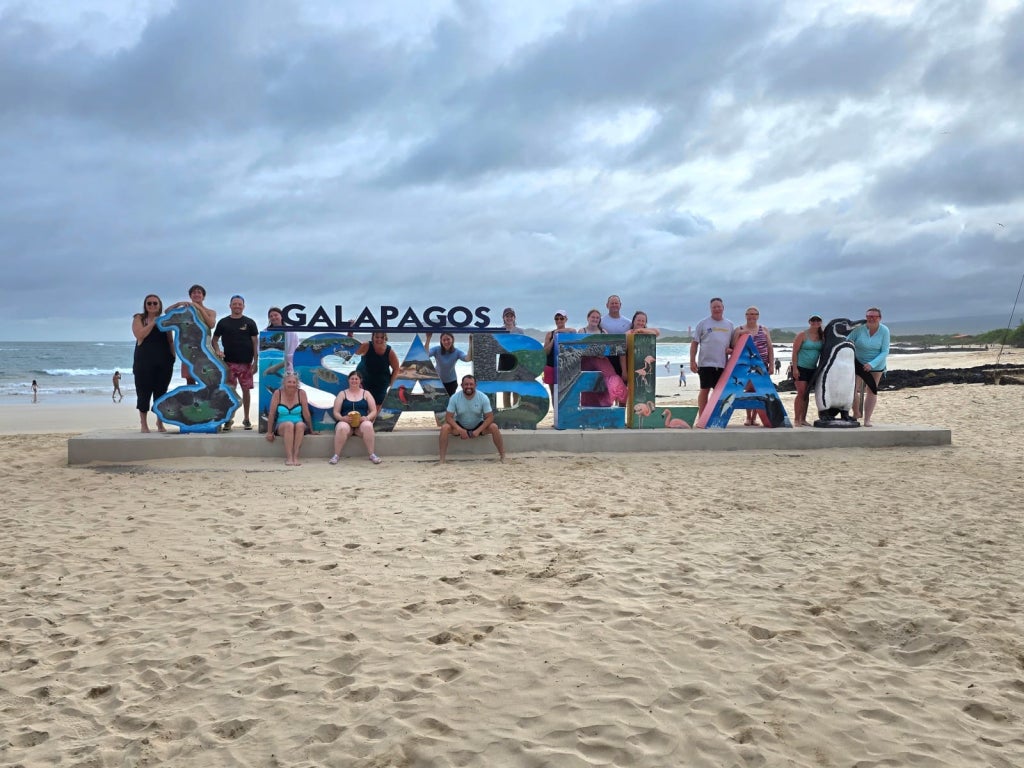
Swartz and Bloomer FFA members from Wisconsin.
Agriculture Is Everywhere
When going on trips, many educators, especially agriculture educators, like to emphasize how travel connects to education across many subjects. Even for educators sponsoring non-agriculture trips, however, agriculture can still be tied in. Agriculture is everywhere, in food, conversations, global resources, farming practices and local markets, and there is always a lesson to be learned.
Creamer and her students experienced agriculture firsthand in Italy when they tried freshly sourced olive oil and mozzarella. Dienger focused her agriculture-based trip in Amsterdam, Brussels and Paris, encouraging her students to engage in as much as they could to help put their new knowledge into perspective.
What Students Take Away
Overall, the biggest takeaways from these trips, whether agriculture-based or not, are that students gain confidence, learn independence, see cultures firsthand, understand global agriculture and, most importantly, learn to appreciate the world more. These trips put life into perspective and show students that while their local community, and even their country, play an important role in the world, there is so much more out there to experience. They also give teachers and students the chance to step away from their daily routines and participate in something out of the ordinary.
Trips aren’t just vacations; they’re life-changing moments that turn the world into a lesson you can touch.
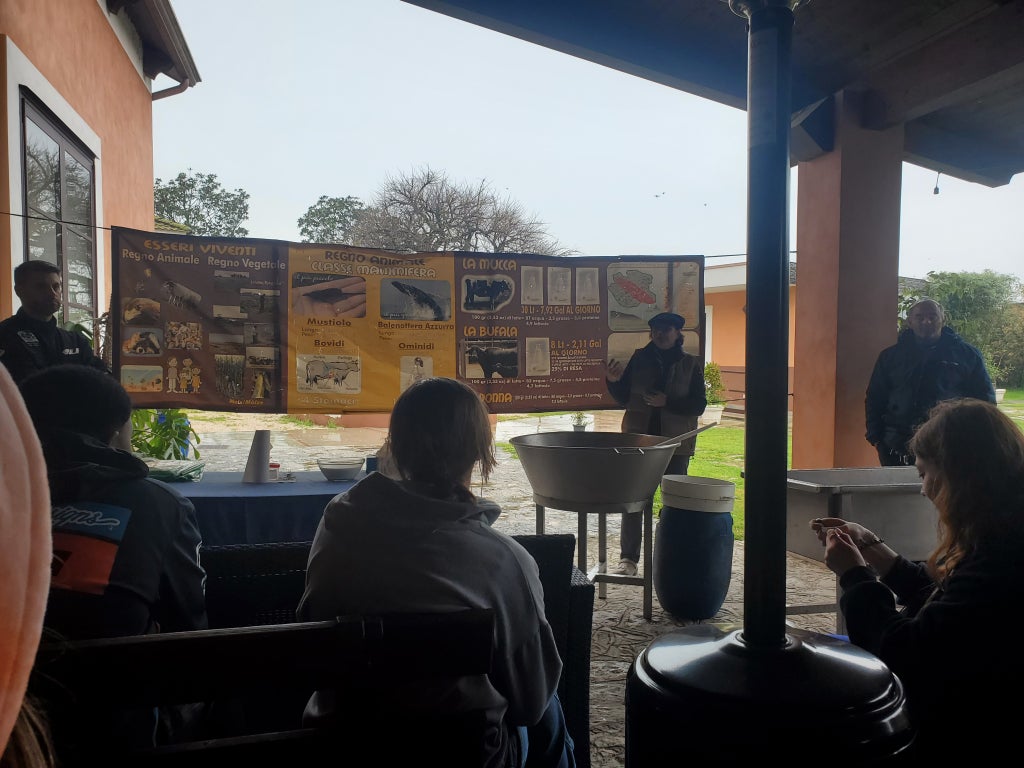
Creamer’s students on their trip.