More than Farms and Fields: Finding Agriculture in the City
Agriculture doesn’t always look like corn fields, barns and livestock. At Blue Springs South in Missouri, FFA members are finding their own ways to get involved, from caring for greenhouse plants to working with horses. Their experiences show that agriculture can be part of life even when you don’t live on a traditional farm.
For Emma Johnston, a member of Blue Springs South FFA, agriculture means working in the school greenhouse. Her supervised agricultural experience (SAE) focuses on horticulture, and she helps take care of the plants throughout the year. She and another FFA member, Chase, wanted to clean up and improve the greenhouse. When their advisor, Mr. Zwahlen, asked them to help over the summer, they got the opportunity to turn that interest into a hands-on experience.
Emma’s responsibilities include watering plants every other day, cleaning the greenhouse, propagating plants, preparing for the plant sale and saving seeds for the next year. She also checks the plants for signs of disease or insects and makes sure they stay healthy. Maintaining the greenhouse takes time and responsibility, but it gives her a way to learn about agriculture without needing a farm of her own.
Emma explained how living in an urban area can affect the ways students get involved in agriculture. “Living in an urban area, you can’t own 3 acres, 17 cows, 300 horses, and ride off into the sunset. But you can still be involved in ag,” she said.
Her experience shows that agriculture isn’t only about large-scale crop and livestock production. Plants, gardens, flowers and other projects can also give students opportunities to learn about agriculture.
Another Blue Springs South FFA member, Lilley Lungstrum, connects to agriculture through her equine placement SAE. She first learned about the opportunity from a friend in FFA who worked at a local barn. Since she loves animals and wanted to learn more about caring for them, she decided to get involved.
Lilley’s work includes cleaning stalls and the arena, filling hay, checking stall bedding, sweeping walkways and keeping an eye on the horses’ health. Her job has taught her that working with animals takes consistency and responsibility, no matter the weather. As Lilley explained, “You will be working rain or shine. It’s not just a simple task. There can be days where everything is different.”
Her experience shows that agriculture can involve much more than raising livestock on a farm. Caring for horses requires knowledge of animal health, daily care, and animal welfare. Even in a suburban community, students can find opportunities to gain that experience.
According to Blue Springs South FFA advisor Mr. Zwahlen, students in the chapter have a variety of SAEs. Some work at horse barns, while others raise and show rabbits or birds. Students can also explore environmental agriculture through activities such as testing water quality at local lakes and ponds. These projects allow students to connect their interests to agriculture in different ways.
Agriculture also includes careers that happen away from the farm. My dad was a member of the Corning, Iowa, FFA chapter in high school, and he now works as a grain trader for Louis Dreyfus Company. His job involves managing the movement of corn and soybeans by rail and connecting grain supplies from the Midwest to buyers. His career shows another side of agriculture that people might not think about: getting crops from the farm to where they are needed.
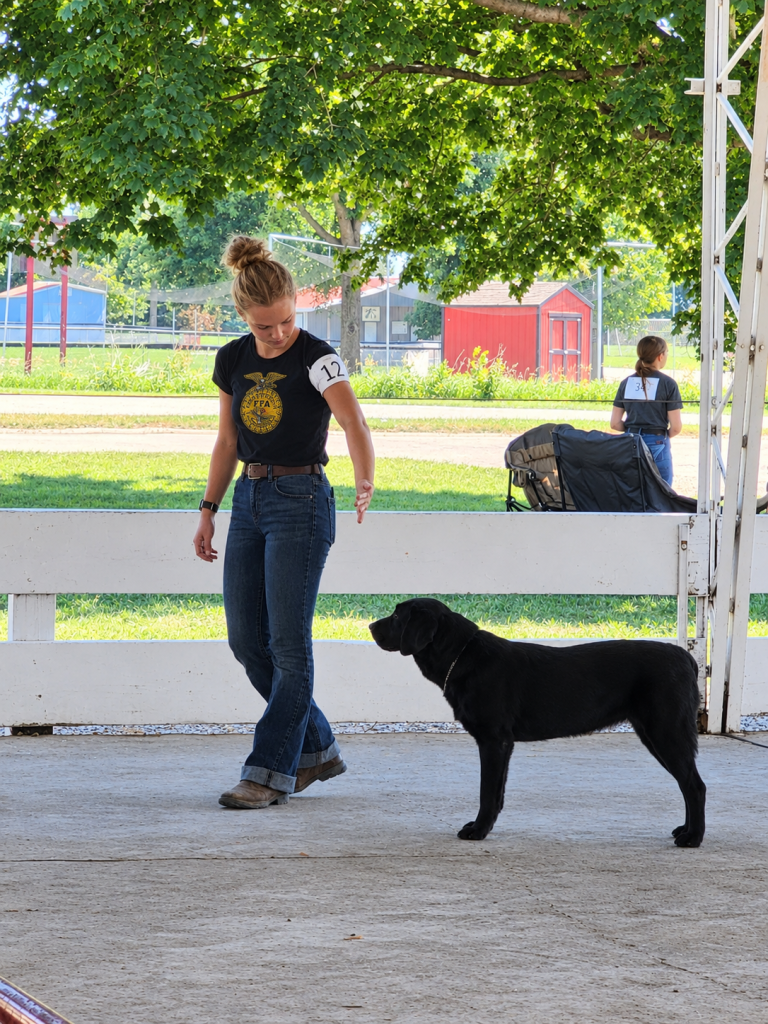
My own experience with agriculture has mostly come from working with and showing animals. Before moving to Missouri, I was involved in FFA in Iowa, where I showed pigs and developed my SAE around dog training. I’ve always enjoyed working with dogs, so turning that passion into an SAE gave me a way to build on a hobby I already loved while connecting it to agriculture. Through training and showing dogs, I’ve learned about animal behavior, care, patience and responsibility.
I also showed a couple of pigs each year, which gave me hands-on experience with livestock care, handling animals and preparing them for the show ring. Although I wasn’t raising large numbers of livestock, I still learned about another part of agriculture. Between my SAE and showing pigs, I’ve learned that you don’t have to run a farm to gain agriculture experience or turn an interest into something more.
When I moved from rural Iowa to the Kansas City, Mo., suburbs, I noticed how different agriculture could look depending on where you lived. In Iowa, I was surrounded by fields, livestock and farms. Moving to a more urban area made me realize that agriculture doesn’t disappear just because there aren’t farms everywhere. Sometimes, you just have to look a little closer.
From greenhouse plants and horse care to dog training, environmental projects, and grain trading, agriculture offers many different paths. FFA gives students the chance to explore those paths and discover how their interests can connect to a much larger industry. No matter where they live or what resources they have, students can find their own way to be involved in agriculture. Sometimes, all you have to do is look beyond the fields and farms to see just how many opportunities agriculture has to offer.