Love Grows Here: FFA Members Connect Valentine’s Day to Agriculture
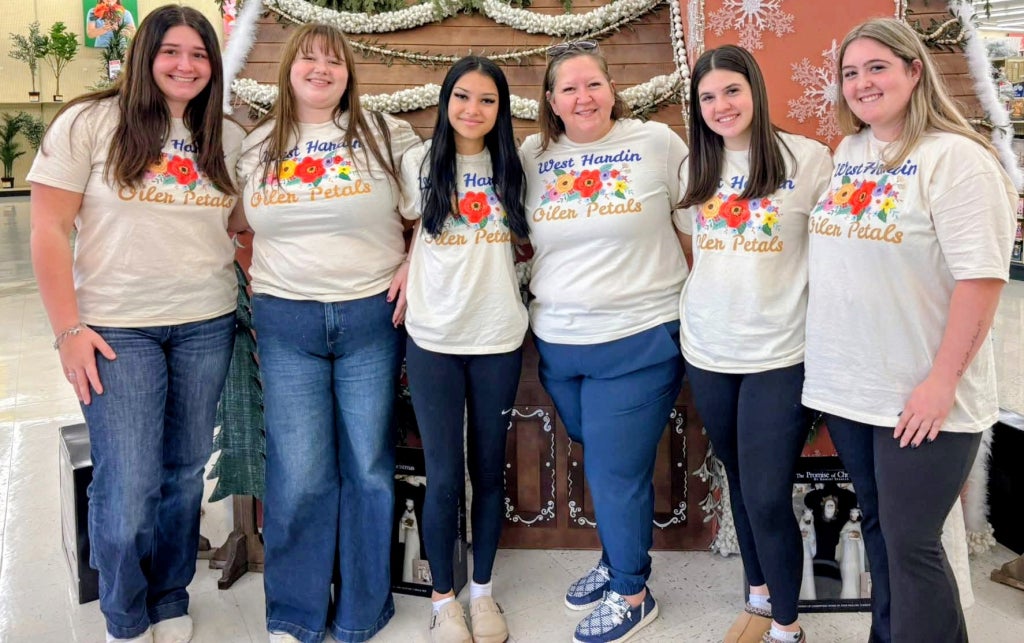
The West Hardin FFA “Oiler Petals” Floral Design Team is ready for the busy season
Although people often celebrate Valentine’s Day with flowers and candy, members of the National FFA Organization see the holiday as an opportunity to highlight agriculture’s role in everyday life. Through agricultural education, FFA members learn how seasonal traditions connect directly to farming, research, and crop protection.
Agriculture Is at the Heart of Valentine’s Day
To begin with, flowers, especially roses, are one of the most recognizable symbols of Valentine’s Day. Valentine’s Day is one of the busiest times of the year for the floral industry, requiring months of planning by growers to meet demand. The agriculture industry classifies floriculture as a specialty crop and relies on both domestic production and international trade to supply the U.S. market.
Through agricultural education and Supervised Agricultural Experiences (SAEs), FFA members gain hands-on experience in areas such as plant science, greenhouse management and crop production. “During Valentine’s Day, our program usually brings in a lot of revenue,” says West Hardin FFA member Bella Skinner. These experiences help members understand how agricultural systems support seasonal markets like Valentine’s Day while preparing them for future careers in agriculture.
From Greenhouse to Consumer
In addition, FFA members learn that agriculture extends beyond production. After flowers are harvested, they must be rapidly cooled, packaged and transported to preserve quality. Lessons on supply chains and agricultural logistics help students understand how products move efficiently from farms to consumers. “Transporting and preserving flowers can be difficult, but with the right preparation beforehand, it should minimize stress,” says Bella Skinner.
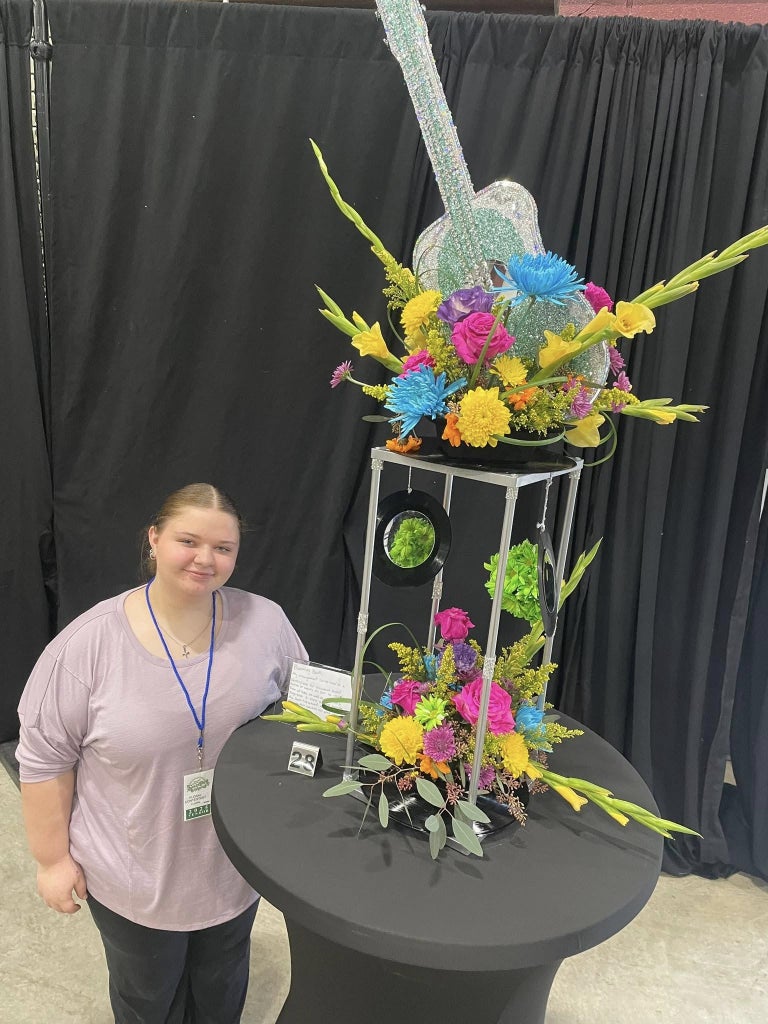
Glynna Whisler and her floral arrangement show what is possible in floral design
Before flowers reach stores, they are inspected by U.S. Customs and Border Protection (CBP) agriculture specialists. These inspections help prevent invasive pests and plant diseases from entering the United States and threatening domestic crops. During the Valentine’s Day season, CBP increases inspection efforts due to the high volume of flower imports entering the country. Learning about biosecurity allows FFA members to better understand agriculture’s role in protecting the nation’s food and fiber systems.
Careers, Research and Agricultural Leadership
Furthermore, Valentine’s Day highlights the wide range of agricultural careers available. Floriculture supports jobs in plant breeding, transportation, marketing and retail. Through FFA career development events and leadership activities, members explore these career pathways and develop skills essential to the agriculture industry.
The U.S. Department of Agriculture (USDA) also supports the floral industry through research focused on improving plant quality, disease resistance and production efficiency. This research strengthens the industry and aligns with the FFA mission of preparing members for careers in agriculture science and innovation
Conclusion
Ultimately, Valentine’s Day represents more than a celebration of love; it reminds people of agriculture’s impact on daily life.Through FFA, members gain the knowledge and leadership skills needed to educate others about agriculture’s importance. By promoting agricultural literacy, FFA members help ensure holidays like Valentine’s Day are not only celebrated, but understood.