Creativity Meets Opportunity at Moss Point’s Aquaculture Program
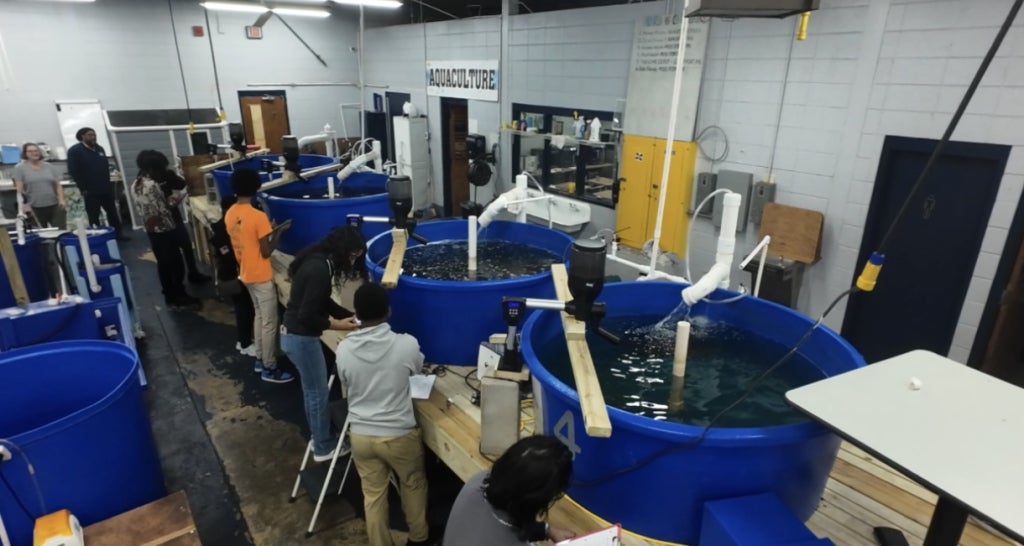
In urban Moss Point, Miss., students are proving that agriculture can be sustainable and successful anywhere, with leaders strong enough to innovate, serve and elevate the future with what they have.
The Moss Point FFA Chapter is one of only three aquaculture programs in the state, offering an urban-focused model that manages aquatic systems directly. With aquaculture being one of the fastest-growing sectors of agriculture, these students learn how to reimagine what is possible to satisfy this factor, with career readiness as the central goal of the program.
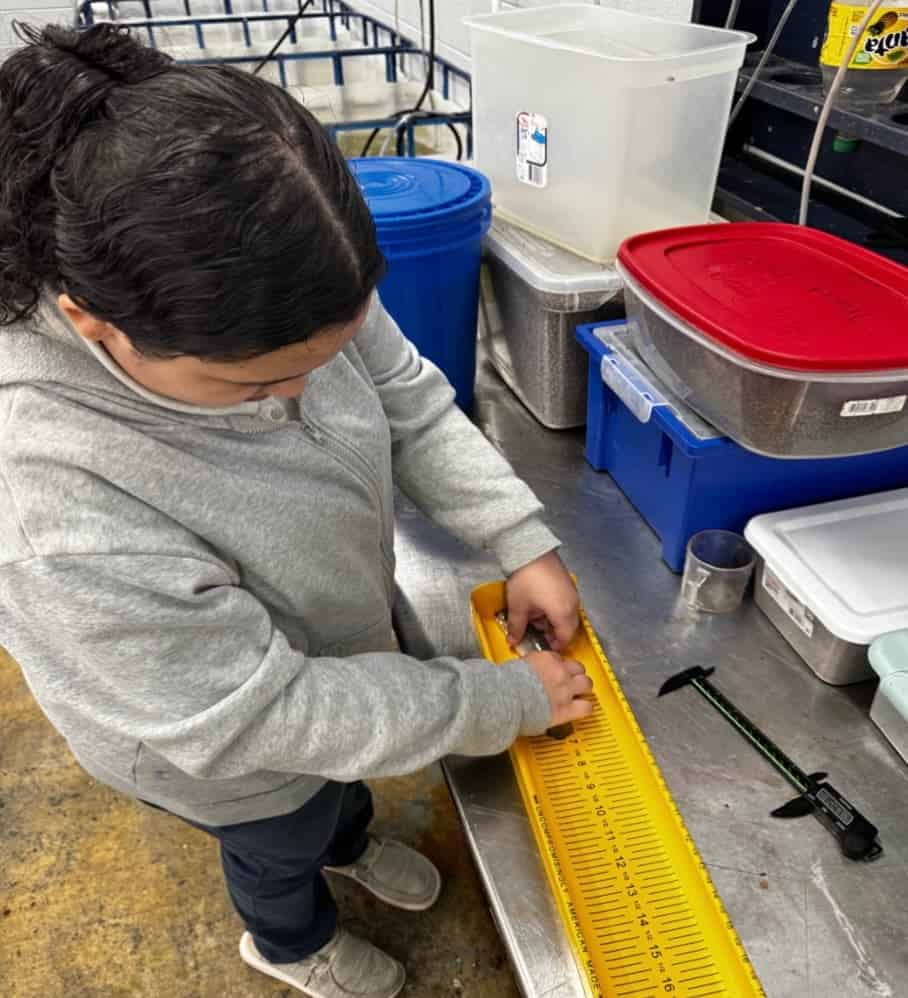
Students participate in hands-on learning opportunities through the program’s “hatchery to habitat” strategy.
Diving Into the Waters
Before stepping into this innovative program, first-year students start by working with hands-on freshwater recirculating aquaculture systems (RAS). Species such as ornamental koi and striped bass are used in these projects.
What makes this program unique is it is not quite a traditional classroom program. Most of the learning happens directly in the aquaculture facility, where students are working directly with the projects. Students learn by operating the systems, raising the fish, collecting data from the systems they manage and practicing proper husbandry and health practices.
The students are understanding that they are not just learning about this industry, but stepping into it. These learning objectives are the backbone skills of all aquatic science careers.
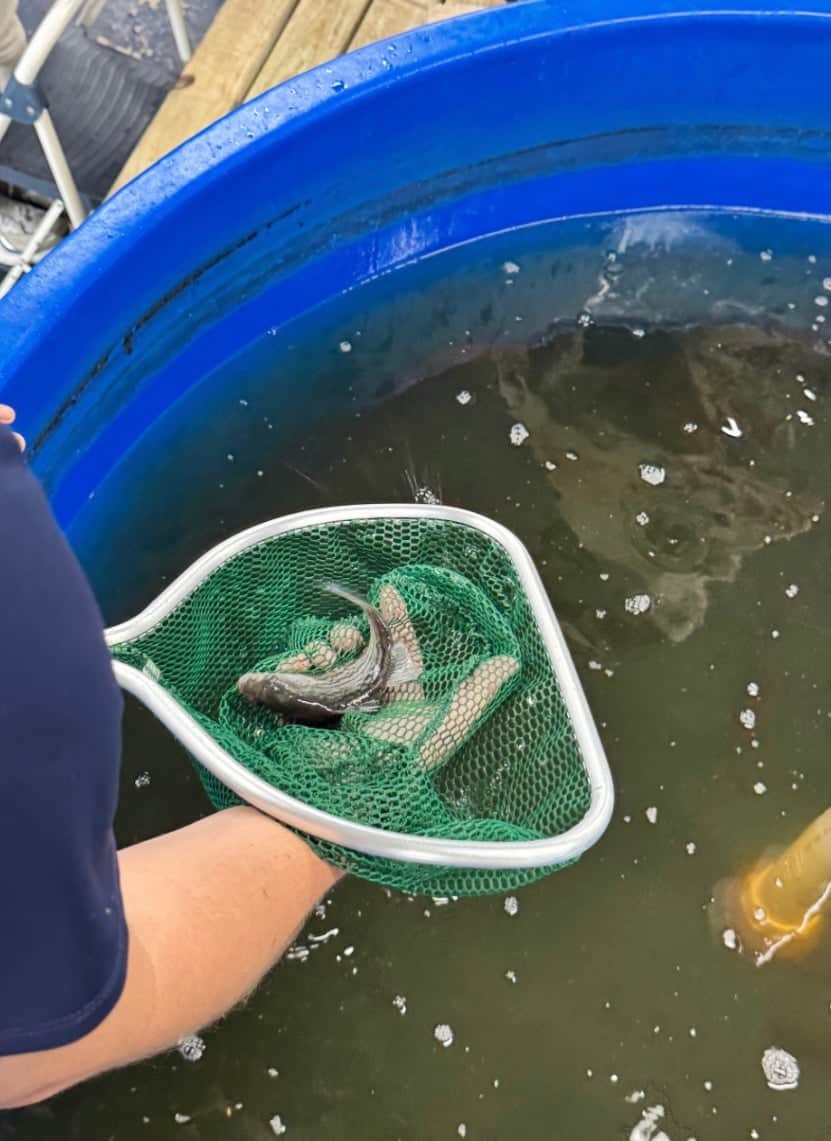
Fish raised in the recirculating aquaculture system (RAS).
From Classroom to Coast
Students are left with curiosity of the industry after completing their first year of working in the freshwater facility, and Moss Point delivers the expansion in the second year. Students transition to saltwater systems, where they handle sport fish species, such as speckled trout and red drum.
These species play a significant role in Mississippi’s coastal ecosystems, and students are a part of a conservation journey. Partnerships with the Mississippi Department of Marine Resources and Gulf Coast Research Lab help students gain access to fisheries conservation. They also apply their skills in real-world resource management through this “hatchery to habitat” plan to support coastal conservation.
Protecting What Provides
Sustainability is possible in every setting, and Moss Point practices this every day. Waste from one portion of the system can be used to fuel another. Resourceful practices applied include fish waste becoming fertilizer for fish beds, and using aquaponic systems to promote plant growth. Also, reduced water use through RAS closed-loop models and limiting chemical inputs help prevent runoff into local watersheds.
It is crucial to know that agriculture is for producing and caring for ecosystems that make the production possible. These members demonstrate they are responsible for creating solutions that are clean, creative and compassionate.
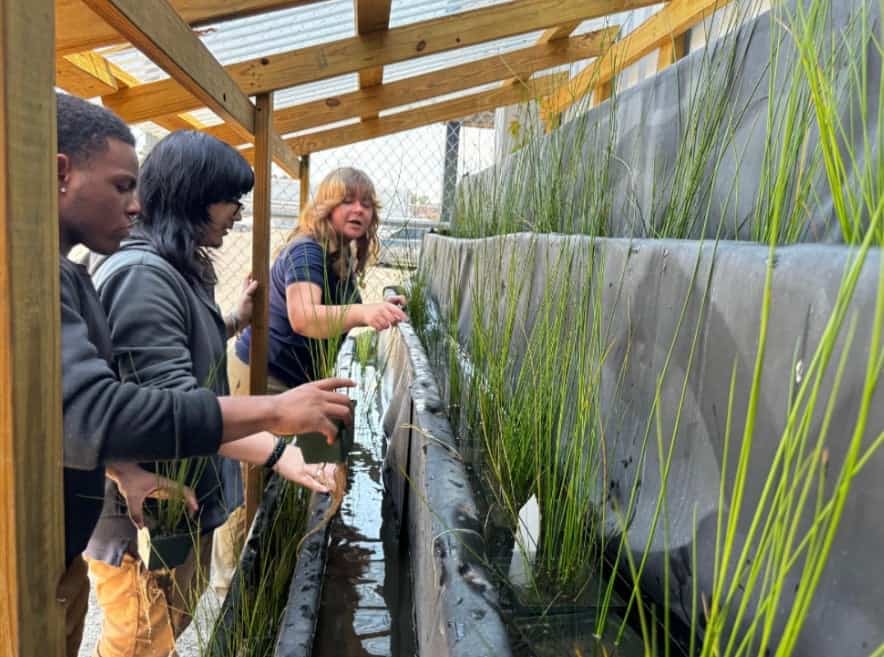
Moss Point’s sustainable aquaponic water system.
Growing the Gulf
FFA cultivates these members’ confidence and consistency. Every student that completes the class earns their OSHA-10 Agriculture certification, a credential that lays the foundation for careers in agriculture, environmental science and technical fields. Through their classes, they learn to develop, collaborate and use strategic thinking skills that will carry them beyond the center.
They put these skills into action by raising awareness of fishing education and maintaining urban raised beds. An example of how they serve is the produce grown goes to culinary arts students and community members. The Moss Point FFA Chapter also received a National FFA Grants for Growing grant that will be used to expand its service into a community garden.
In addition to the aquaculture program, the chapter has a small-scale poultry operation, showing that agriculture is adaptable anywhere. Whether they decide to pursue aquaculture, environmental science or another career that is entirely different, students leave this program prepared to lead and serve.
A New Tide Ahead
Moss Point students are attaining a perspective of what modern agriculture looks like within the RAS. This “hatchery to habitat” tactic establishes that agriculture is not defined by acres of land, but defined by creativity, education and stewardship. Even in a densely developed area, these students show that agriculture thrives anywhere, and the future is being built right here. The Moss Point FFA Chapter is a true testament to how creativity meets opportunity.
Help support your local FFA chapter, whether it is by a fundraiser or a donation. Your funds keep this organization growing. Keep up with Moss Point FFA Chapter and the Mississippi FFA Association to see what impacts are being made next.