Clearing the Dust: A Conversation on Farmers’ Mental Health
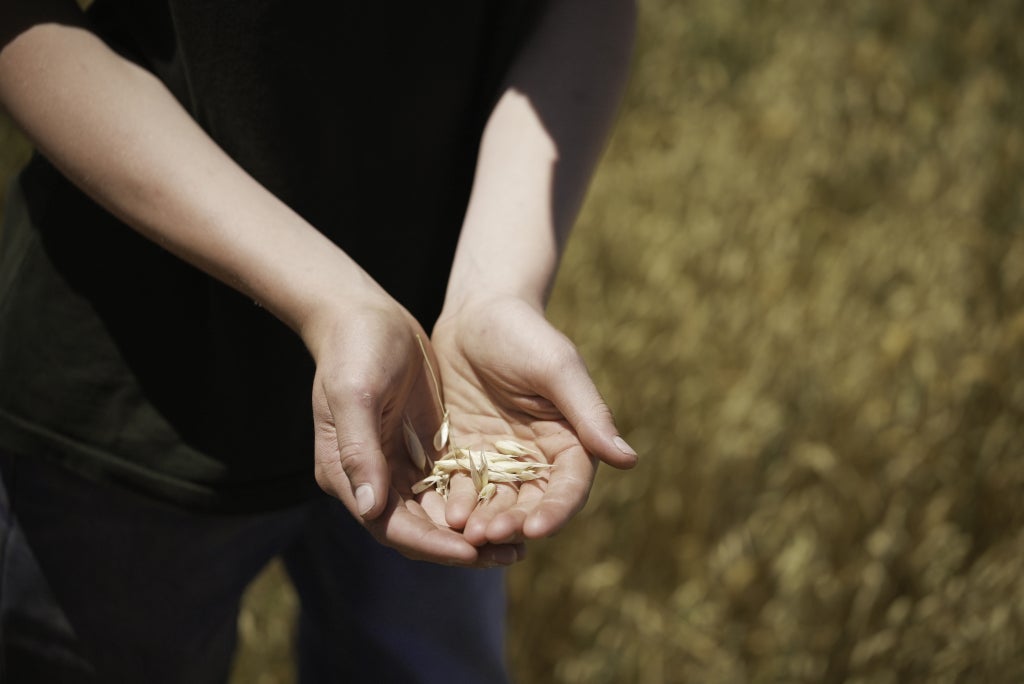
In the United States, agriculture is a pillar of daily life. It supplies jobs, fuels economies, feeds citizens, and much more. According to the USDA, farms accounted for 880 million acres of American land in 2022—39% of all U.S. land. But despite the importance and prevalence of the industry, farmers remain one of the most marginalized and underserved groups—particularly in the realm of mental health.
A Mental Health Crisis
According to the National Rural Health Association, the suicide rate among farmers is a staggering 3.5x higher than that of the general population. In numerical terms, the average rate is about 27 per 100,000, while farmers face a daunting rate of 43 per 100,000 (NRHA). Common causes of declining mental health in the industry include “falling commodity prices, natural disasters that have harmed crop yields and reduced herds and flocks, increasing levels of farm debt, labor shortages, [and] trade disputes” (Rural Health Information Hub). Combatting farmer suicide requires increased awareness, advocacy, and action.
Awareness, Advocacy and Action
First, increasing awareness. Several adaptable resources are available to support struggling agriculturists, most notably the AgriStress Helpline. By calling 833-897-2474, farmers can access anonymous professional support at anytime, from anywhere. The Missouri Department of Agriculture also offers education resources, including signs of stress, symptoms, and mental health screening tests. Spreading awareness of the mental health crisis and available resources is a crucial step in supporting farmers.
In addition to spreading awareness, advocating for farmers can contribute to a reduction in the stigma surrounding mental health. One example is Jeff Ditzenberger, a Wisconsin farmer turned advocate. After nearly taking his own life due to mental health struggles, Ditzenberger transformed the darkest time in his life into an illuminating mission. According to Rural Minds, “In 2015, Ditzenberger started a support group called Talking, Understanding, Growth and Support — or TUGS — to informally get farmers and other rural people together to talk. Ditzenberger hopes it can help overcome [the]…stigma around talking about mental health among farmers.” Funding support groups, petitioning local representatives, and facilitating connections are ways the everyday person can support the men and women feeding our nation.
Lastly, supporting farmers demands action. With the rising rates of depression and suicide, express your gratitude to a farmer today. By spreading awareness, supporting various methods of advocacy, and taking action, we can dissolve the stigma surrounding mental health and serve those who dedicate their lives to serving us.