Bridging the Gap: Meeting Nontraditional Agriculture Students Where They Are
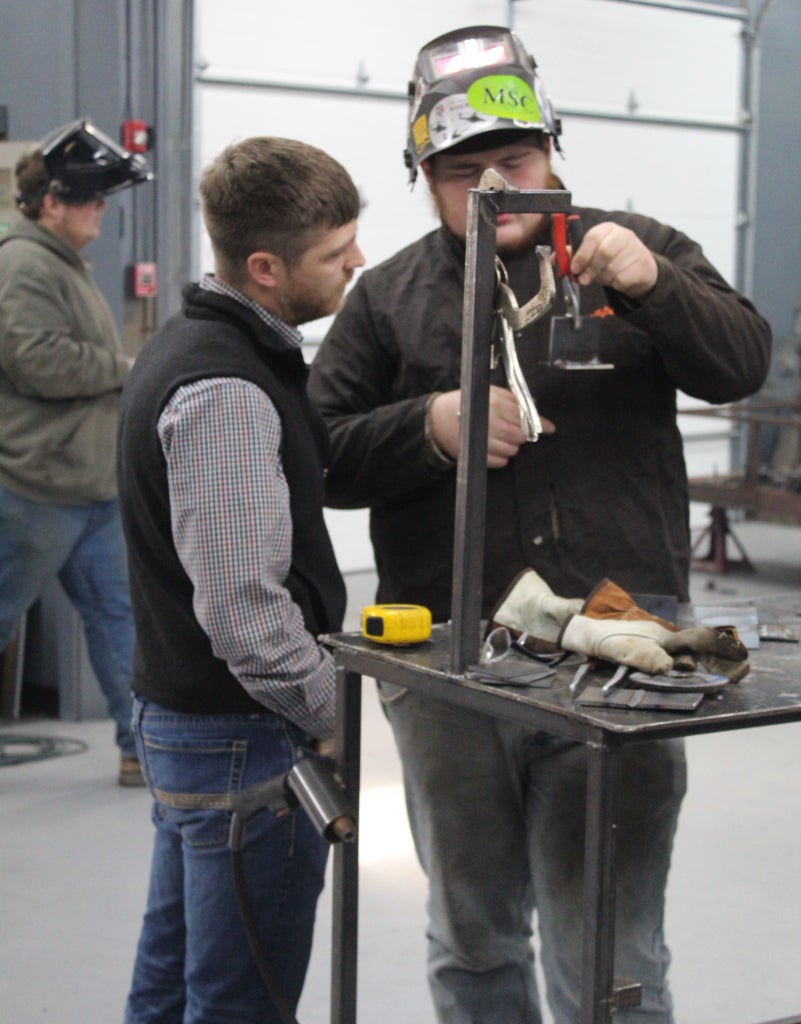
Based in the heart of the Flint Hills of Kansas, the Council Grove FFA Chapter is experiencing a change in its student demographic. For years, FFA membership has been made up of farm-raised youth who love to work, learn and advocate for agriculture.
However, in recent years, FFA Advisor Taylor Green has seen a different dynamic emerge: the majority of his students now come from nontraditional agriculture backgrounds.
Despite being in an agriculture-focused community, Green says the chapter’s membership has declined from around 90–100 students in previous years to approximately 60–70 today. This shift requires Mr. Green to rethink his curriculum and activities, finding fresh ways to bridge the knowledge gap and spark students’ passion.
To bridge the gap, Green first had to acknowledge the changing needs of his classroom. He says that when students become less involved in agriculture, but the curriculum remains unchanged, they lose interest because lessons no longer reflect their experiences. In order to fix that, he had to tailor his coursework to the students.
Green said, “When you focus your whole curriculum around one activity, and other students aren’t interested in that, they don’t want to be in it anymore.”
To prevent his program from losing students due to a lack of interest, Green starts asking students about their personal interests the very first time they step into his classroom. At Council Grove, students can start taking ag classes in eighth grade, so he focuses on building relationships with those newcomers to understand how best to get them involved.
“I try to ask eighth graders what they like to do early on, and link that to different FFA activities that they could get involved in that match their interests,” he said.
His approach is paying off. After learning about his students’ interests and introducing mock Career and Leadership Development Events, roughly 75% of eighth graders go on to take another agriculture class in high school.
These are the kinds of adjustments ag teachers and FFA advisors need to make to attract new students.
“A lot of young students still think that FFA is only for farmers, but it’s not,” Green said.
Helping students realize that FFA offers something for everyone is key to expanding the program’s reach. By meeting students where they are, Green is helping shape an FFA chapter where every student has the opportunity to belong.