A Conversation on Cultural Appropriation and Respect
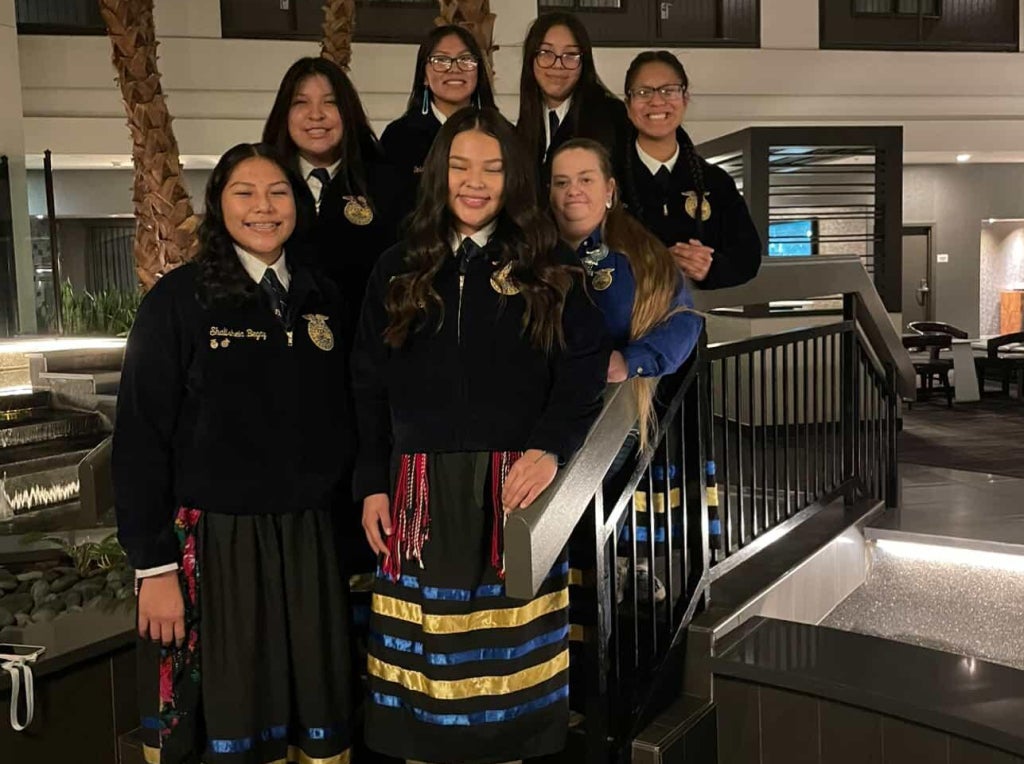
Across the U.S., many members of the National FFA Organization take pride in wearing Official Dress, which serves as a symbol of unity, professionalism, and agricultural leadership. Over the years, a new topic has come up for discussion: Should members be allowed to pair traditional indigenous clothing with Official Dress?
The purpose of Official Dress is to promote equality, professionalism, and a shared identity. By wearing the same attire, members represent the values of leadership, respect and agricultural education. Official Dress ensures that all members, regardless of their background, stand on equal ground in competitions, ceremonies and public events.
The same can be said for traditional Indigenous clothing, which includes items such as ribbon skirts, beadwork, and moccasins, and carries deep cultural and spiritual meaning. These garments often represent family lineage, tribal identity, prayer, and resilience. For many Indigenous students, wearing traditional clothing is not a fashion statement but a way to honor ancestors and express cultural pride.
As more members notice and ask questions about this pairing, conversations have expanded beyond appearance and into a larger concern: cultural appropriation. Some curiosity is rooted in learning, while other questions stem from uncertainty about whether cultural clothing belongs in Official Dress.
Cultural appropriation occurs when elements of a culture, especially from a marginalized or historically oppressed group, are used by others outside that culture without permission, proper understanding, or respect. Even when the intent is positive, appropriation can reinforce stereotypes, trivialize sacred traditions, or cause harm by disconnecting cultural items from their meanings.
Pairing Indigenous clothing with FFA Official Dress becomes controversial when non-Indigenous members adopt cultural clothing without understanding their significance. What may seem like appreciation can come across as disrespect or misuse if sacred or meaningful items are worn casually.
“Respect means listening and not wearing something just because it looks cool,” said by Almira Pino, an FFA member reflecting on cultural responsibility.
Many tribal leaders and Indigenous communities emphasize that cultural items should be worn with intention and permission. They support Indigenous youth expressing their identity proudly, including within organizations like FFA. However, they also encourage non-Indigenous individuals to show respect by learning, asking questions, and avoiding wearing items that are not part of their own heritage.
The discussion surrounding the wearing of a ribbon skirt and moccasins with Official Dress is complex, emotional, and deeply tied to cultural significance. While the intention may be admiration, the impact can be harmful when cultural significance is misunderstood or ignored. By engaging in open conversations and listening to Indigenous voices, FFA members and chapters can foster a respectful and inclusive environment for themselves and those around them, upholding both their organization’s values and the cultural identities of their members.