2024 Middle School (Grades 5-8) FFA Advisor Needs Assessment: Key Findings
In spring 2024, the National FFA Organization surveyed a national sample of 218 FFA advisors and agriculture teachers of fifth- to eighth-grade agriculture programs. Questions on the survey inquired about how their program operates, student engagement, general support, barriers, challenges, and the resources educators use and are looking for. The following summary highlights some key results. The survey received a national sample The survey intentionally sought responses from teachers across the nation. The highest number of survey responses came from Georgia, Florida, North Carolina, Virginia and Kentucky. When asked to indicate approximately how many students are in their fifth- to eighth-grade agriculture programs, respondents reported an average of 234 students. Responses reflected a wide range, from six to 900 students. The structure of middle school (grades 5-8) agriculture programs varies nationwide Almost 90% of respondents (N=182) reported that their agriculture class is offered as an elective, while 13% said it is a required course. 9 in 10 respondents reported that their agriculture program uses the three-component model.1 Nine percent reported that their chapter operates differently from [...]

Indiana Agricultural Education Classroom Enhancement Grants – 2023 Impact
13 school-based agriculture educators received a classroom enhancement grant in 2023. The 2023 recipients of the classroom enhancement grants had between one and three full-time agriculture teachers in their agriculture programs. 2023 grant recipients serve students in grades 7-12. 2023 grant recipients serve an average of 164 agricultural education students each. When asked about their chapter, 2023 grant recipients reported that: 31% of their students are economically disadvantaged. 13% of their students have disabilities/IEPs. 9% of their students are racial or ethnic minorities. 1.5% of their students are English Language Learners. Grant recipients applied their funds to these classroom enhancements: Purchasing equipment Upgrading equipment Purchasing curriculum My students learn best with hands-on instruction, but my shop and classroom are very sparsely equipped so I have to do more online curriculum. This makes it harder for [students who are English Language Learners] to understand. 2023 FFA Advisor Needs Assessment

Indiana Agricultural Teachers’ Professional Development Grants – 2023 Impact
Professional Development in Agricultural Education Nearly one in four respondents (22%) to the 2023 FFA Advisor Needs Assessment somewhat or strongly disagreed with the statement, “I have access to a variety of valuable professional development opportunities.” Almost half (47%) of respondents to the 2023 FFA Advisor Needs Assessment said budget/cost constraints have a great deal of influence on their decision to participate in professional development opportunities. 25 school-based agriculture educators received a Teacher Professional Development Grant from National FFA in 2023. 22 recipients are licensed educators, while one recipient is alternatively certified and two are special grant/permission or emergency certified educators. The 2023 recipients of the Teacher Professional Development Grants serve students in grades 6-12. The 2023 recipients of the Teacher Professional Development Grants serve student populations from 180 students to 2,012 students. The 2023 recipients of the Teacher Professional Development Grants serve 42 to 355 agricultural education students. From my experience, I now make a more concentrated effort to give my ELL students better-translated materials whenever possible. I also try my best to use phrases [...]

Motivated To Do Their Best: FFA Members and Advisors
Motivation and active engagement remain relevant topics when studying FFA members and FFA advisors, especially since COVID-19. This report includes results from 419 FFA members we surveyed in early 2024. It specifically highlights survey questions centered around motivation and active engagement. Findings reveal that FFA members and agriculture teachers/FFA advisors seem to be out of sync when it comes to the perception of student motivation levels. Agriculture educators should take members’ feedback found throughout this report and use it to help bridge the gap in perceived motivation and engagement levels between FFA members and agriculture teachers/FFA advisors. Lasting impact? The perceived effect of COVID-19 on members’ motivation levels varies. 1 in 3 FFA advisors (N=2,002) identified lack of student motivation as their biggest challenge in a 2023 survey.1 Over half of the FFA members surveyed in 2024 (59%, N=246) said that COVID-19 had no effect on their motivation to do well in school. Be an active participant: FFA members report high levels of motivation and active engagement in their FFA chapters. A series of validated scales [...]
National FFA and Agriculture Educators: National Teacher Ambassadors for FFA and Results of the 2021 FFA Advisor Needs Assessment
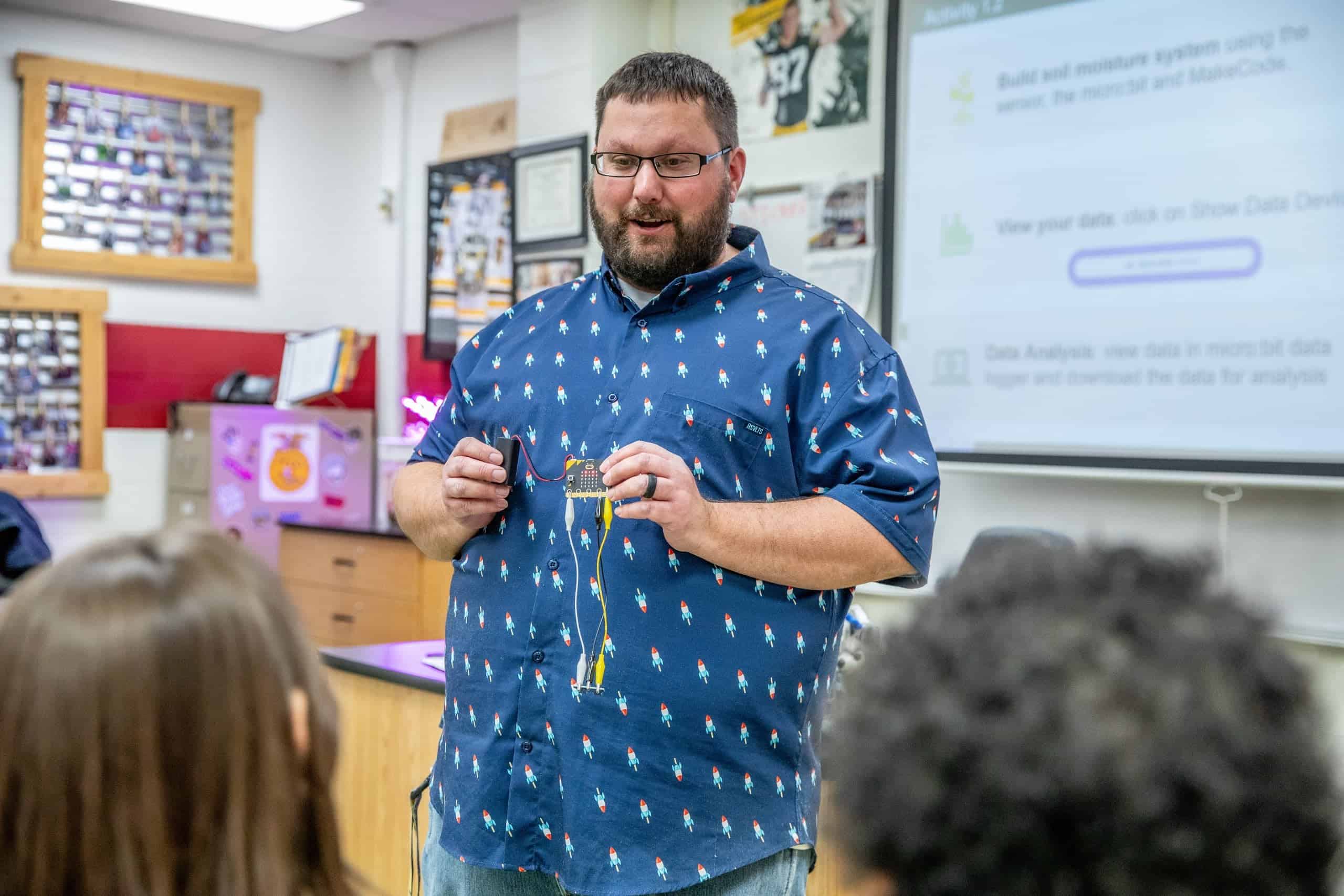
Keeping agriculture educators at the frontline of innovation in today’s classrooms In order to stay up-to-date with today’s teachers, National FFA seeks feedback from agriculture educators in two main ways: consulting with the National Teacher Ambassadors for FFA and conducting a formal advisor needs assessment survey every two years. Growing professionally as National Teacher Ambassadors for FFA National Teacher Ambassadors for FFA present educational sessions on FFA educator resources and are overall representatives of the National FFA Organization. We asked 54 National Teacher Ambassadors for FFA (serving 2020-21) how the ambassador program enhanced their ability to grow professionally. Ambassadors told us that gaining knowledge on FFA resources most enhanced their ability to grow professionally. Gaining knowledge on FFA resources – 98% Networking/meeting other agriculture teachers – 90% Becoming a resource for other teachers/serving teachers – 90% Connecting with National FFA staff – 87% For the second year in a row, the majority of 2020-21 ambassadors (89%) said that providing information and resources to other teachers was their greatest impact of their role. Where are they? Locations [...]
The Gold Standard: Surveying Recipients of FFA’s Highest Honors
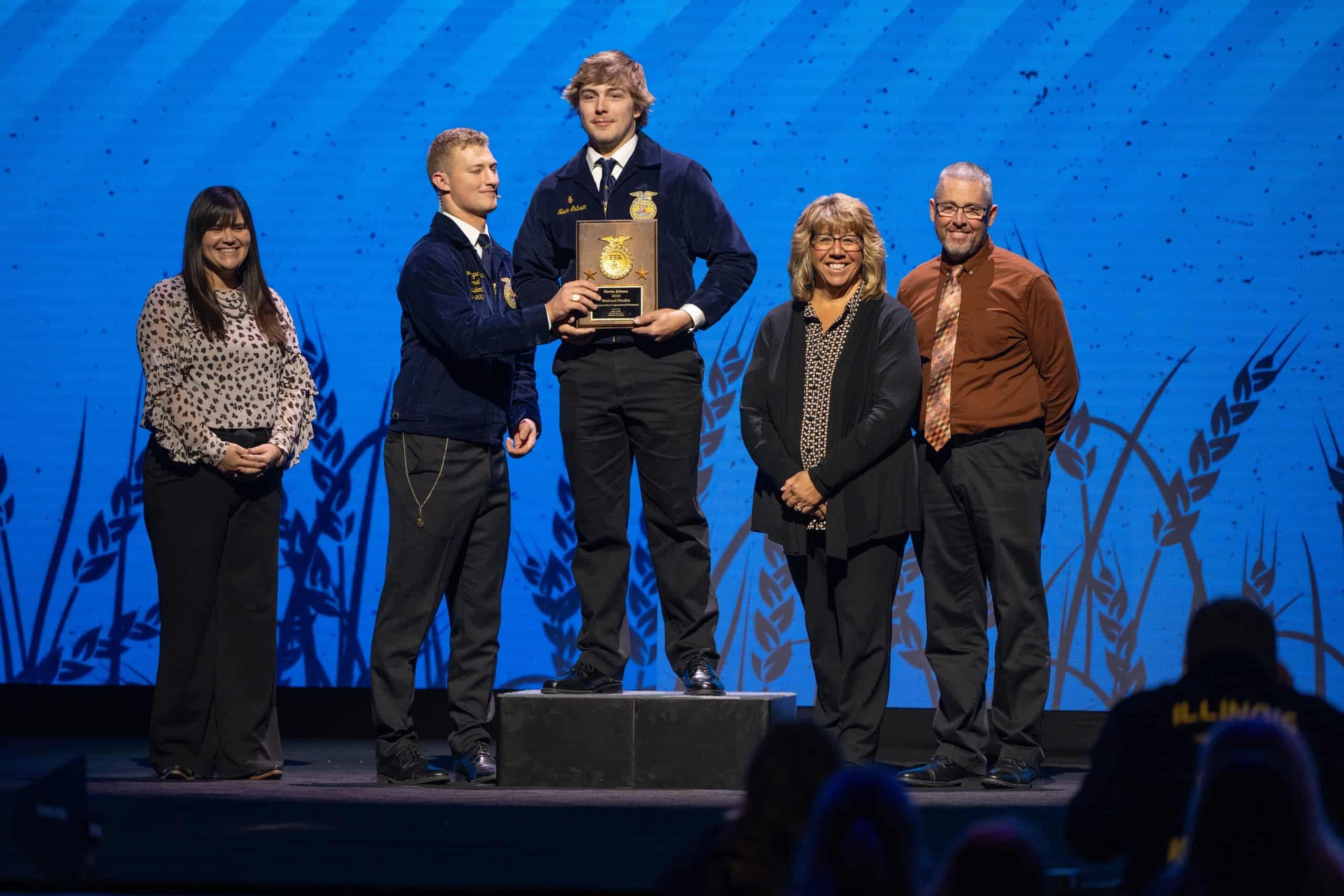
The American FFA Degree The American FFA Degree is the highest degree achievable in the National FFA Organization. It shows an FFA member’s dedication to their chapter and state FFA association. It demonstrates the effort FFA members apply toward their supervised agricultural experiences (SAEs) and the outstanding leadership abilities and community involvement they exhibited through their FFA careers.1 Community service, leadership abilities and outstanding scholastic achievement are among the essential requirements to earn the American FFA Degree. Members must also have been active members of FFA for the past three years, completed many hours of agricultural education classwork and be currently operating an SAE. The American Star Award From among those members receiving the American FFA Degree each year, National FFA annually recognizes FFA members who rise to the top with the American Star Awards. These members have gone above and beyond in their attitude, involvement, community service and SAEs. Finalists for these awards have mastered skills in production, finance, management and/or research.2 The Research The purpose of the research, which began in the fall of [...]
FFA Advisor and Agriculture Educator Needs Assessment Survey: 2023 Findings
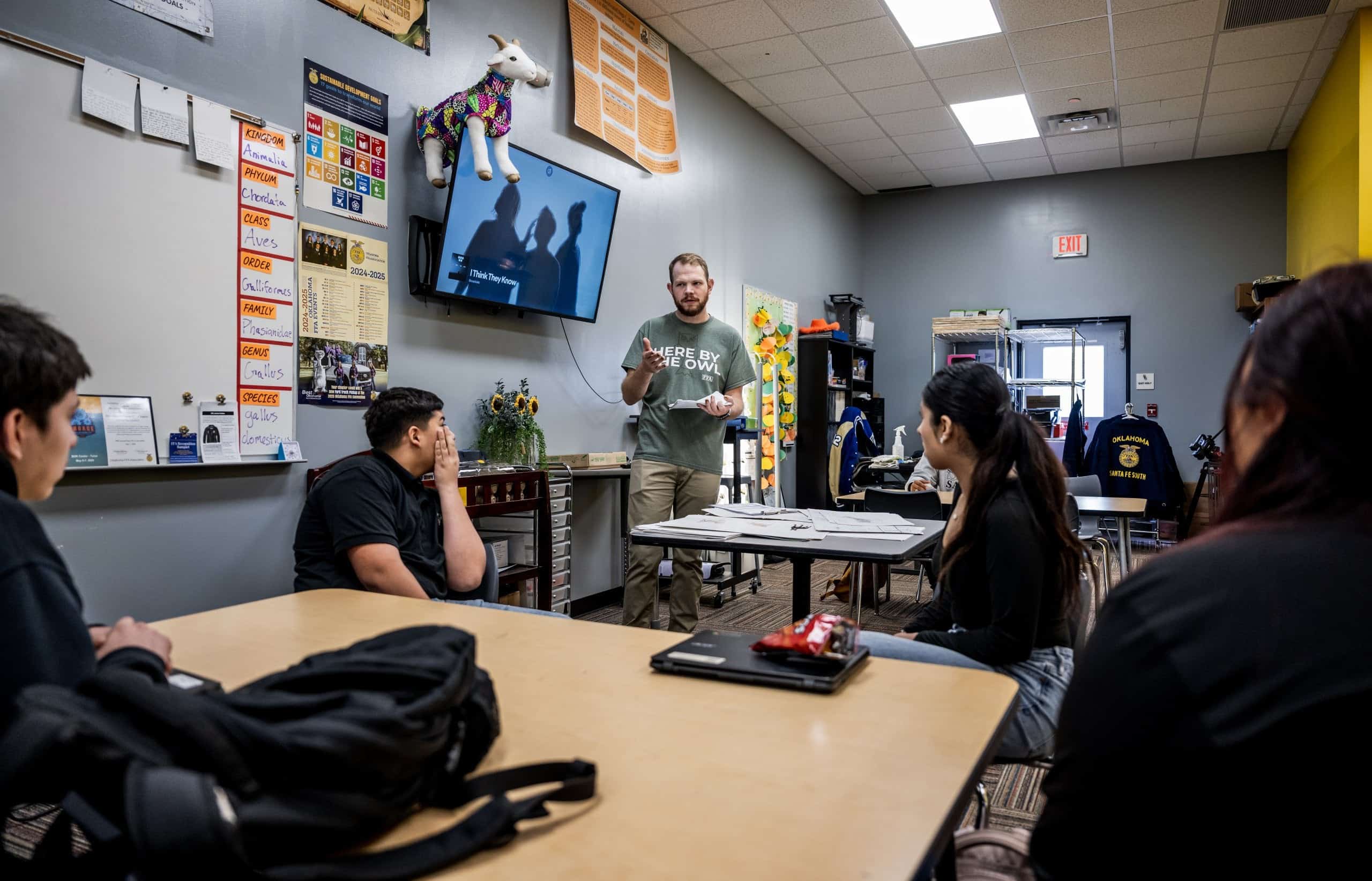
The National FFA Organization conducts a biannual survey of agriculture educators/FFA advisors. The purpose of the survey is to obtain a national representation of educators to participate and provide insight into what National FFA resources teachers are using in their classrooms and local chapters, as well as what future resources they need. This document shares findings directly from agriculture teachers from 2023. In spring 2023, the National FFA Organization distributed an online survey to all 14,158 FFA advisors in the national membership roster. The survey received 2,480 (partial or complete) responses, yielding an 18% overall response rate. 2023 Advisor Needs Assessment Findings Top Three Areas of Need for Resources Identified by Agriculture Educators Developing SAE opportunities for students (N=1,332) Filling out award applications (N=1,167) Filling out FFA grants (N=1,119) Sixty-one percent of respondents said National FFA provides enough resources to support advisors. Top Five Pathway Educational Resources Requested by Agriculture Educators Animal Systems Plant Systems Agriculture Technology Power, Structural and Technical Systems Agribusiness FFA Advisors’ Greatest Challenges and Barriers Respondents were asked what their biggest challenge [...]
2019 FFA Advisor Needs Assessment Findings
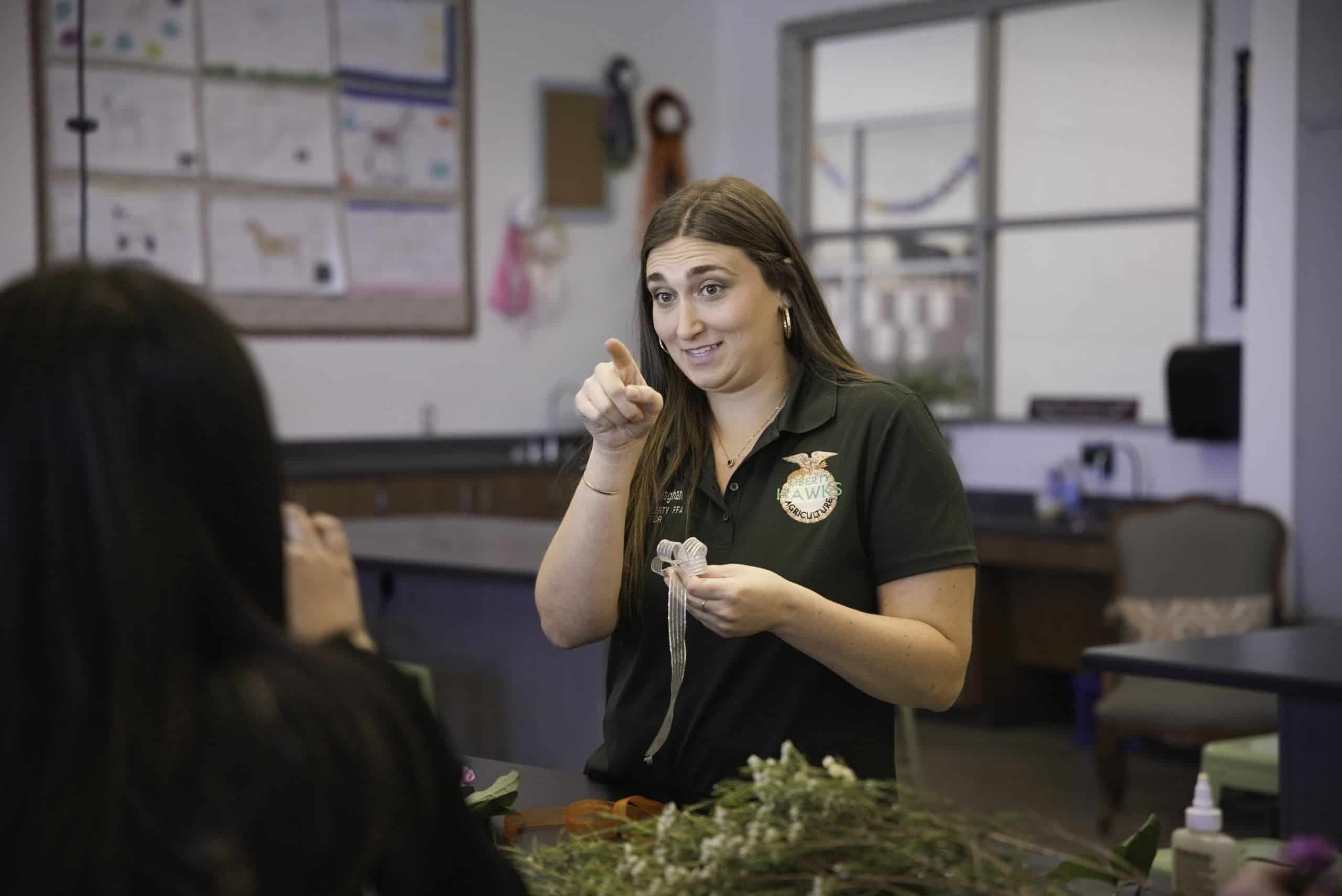
A study conducted by the National FFA Organization in March through May of 2019 provided feedback from 708 agriculture teachers and FFA advisors from the eastern, southern, central and western FFA regions about their needs as agriculture educators, educational resources and experiences offered by FFA, their relationship with FFA and a variety of other topics. This document outlines some key findings from that study. Alternatively Certified Teachers Alternatively certified teachers are those who have been awarded a teaching license even though they have not completed a traditional teacher certification program. In all subject areas in every state in the U.S., individuals who choose to become a certified teacher through alternate means help to fill open positions that exist due to problems facing teaching nationwide, especially teacher recruitment and retention.1 Agricultural education, specifically, has historically faced challenges in teacher recruitment and retention.2 The Advisor Needs Assessment revealed that 18% of agriculture teachers surveyed are alternatively certified. Those who reported being alternatively certified stated that their biggest challenges include navigating FFA, developing classroom management, running and starting an [...]

2025 FFA Advisor and Agriculture Educator Needs Assessment Survey
The National FFA Organization conducts a biannual survey to identify and assess the current needs of agriculture educators/FFA advisors while aiming to understand the demands of the teaching profession better. The survey results provide insights into what National FFA resources teachers are using in their classrooms and local chapters and what future resources they need. This document shares findings directly from agriculture teachers from 2025. FFA Advisors’ Greatest Challenges Three out of four respondents (75%, N=799) named lack of student motivation as their biggest challenge in navigating their classrooms within the last two years—the same as in 2023. Thirty-seven percent (N=390) indicated a lack of resources in the classroom. Twenty-nine percent (N=313) said a lack of support from students’ parents/guardians. Twenty-six percent (N=279) reported a lack of support from administration. One in four (25%, N=264) respondents chose “struggles with my health” (mental, physical, emotional). Just over half of respondents (52%, N=536) reported being quite or extremely satisfied with their jobs. Almost three in four respondents (72%, N=732) feel supported in their classrooms in the last three [...]

How FFA Alumni and Supporters Talk About Their Own FFA Experience
FFA advisors and members across the country rely on FFA Alumni and Supporters to help support their chapters through the gifts of time, talent, and resources. How did FFA Alumni and Supporters’ experiences in FFA make them want to give back to the organization? The following findings are from a survey conducted in Spring 2023 through the Forever Blue Network. Alumni and Supporters attribute skills learned in FFA to their career success. Respondents identified the top five skills extremely influenced by their FFA experiences: Developing leadership skills, 63% Public speaking, 59% Building relationships, 53% Social skills, 49% Career preparation, 43% Did you know? 93% of surveyed FFA Alumni and Supporters report that FFA positively affected their career. 84% have worked in agriculture. Nearly 60% of those surveyed reported they are currently in a senior-level position or higher at work.1 What FFA Alumni and Supporters Say About FFA “FFA has been the sole powerhouse behind my lifelong commitment to personal and professional growth and has granted me a life full of happiness and love I would have [...]
Work-Based Learning, Future Careers and Long-Term Goal Setting of FFA Members
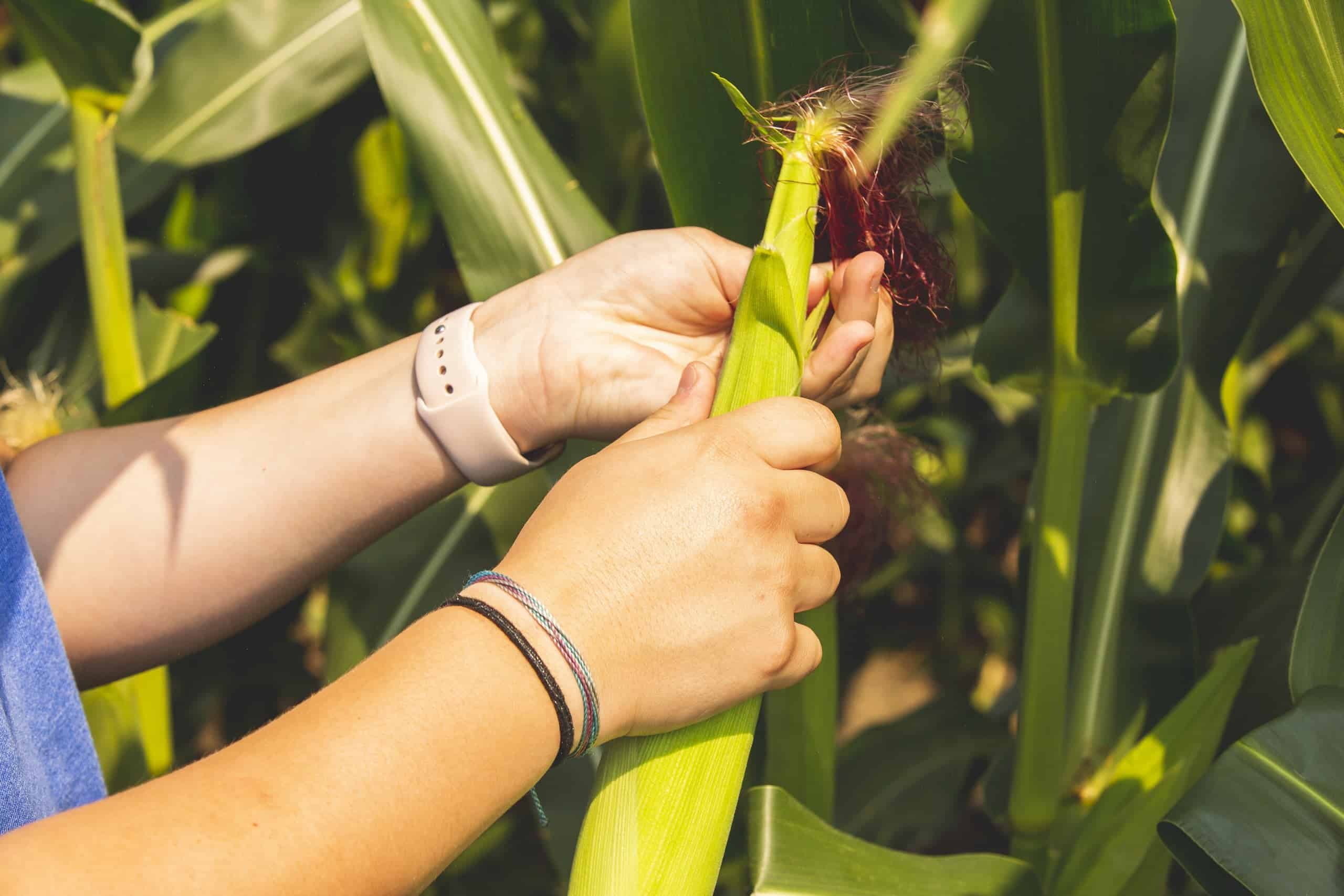
This report includes results from a group of FFA members surveyed in early 2024. It focuses on supervised agricultural experiences (SAEs) and members’ reported career plans. SAEs allow students to apply agricultural skills and knowledge taught in the classroom to real-world experiences. FFA members’ involvement with SAEs lays the foundation for future career success 68% (N=283) of surveyed members told us that they have an SAE. This aligns with nationwide labor trends: 37% of 16-19-year-olds are employed or seeking employment, according to the U.S. Bureau of Labor Statistics.1 After-high-school plans and career ambitions vary for members with SAEs Of the 283 members who told us they have an SAE: 44% say they plan to pursue a career or college/vocational program in the same study area as their SAE. 2 in 3 say they plan to attend a four-year university, while 16% say they plan to attend a two-year college/technical program. 30% say the Animal Systems Career Pathway best describes their career ambitions. 11% say the Agribusiness Systems Career Pathway best describes their career ambitions. Goal setting: [...]