Factors That Contribute to FFA Members’ High Levels of Involvement in FFA
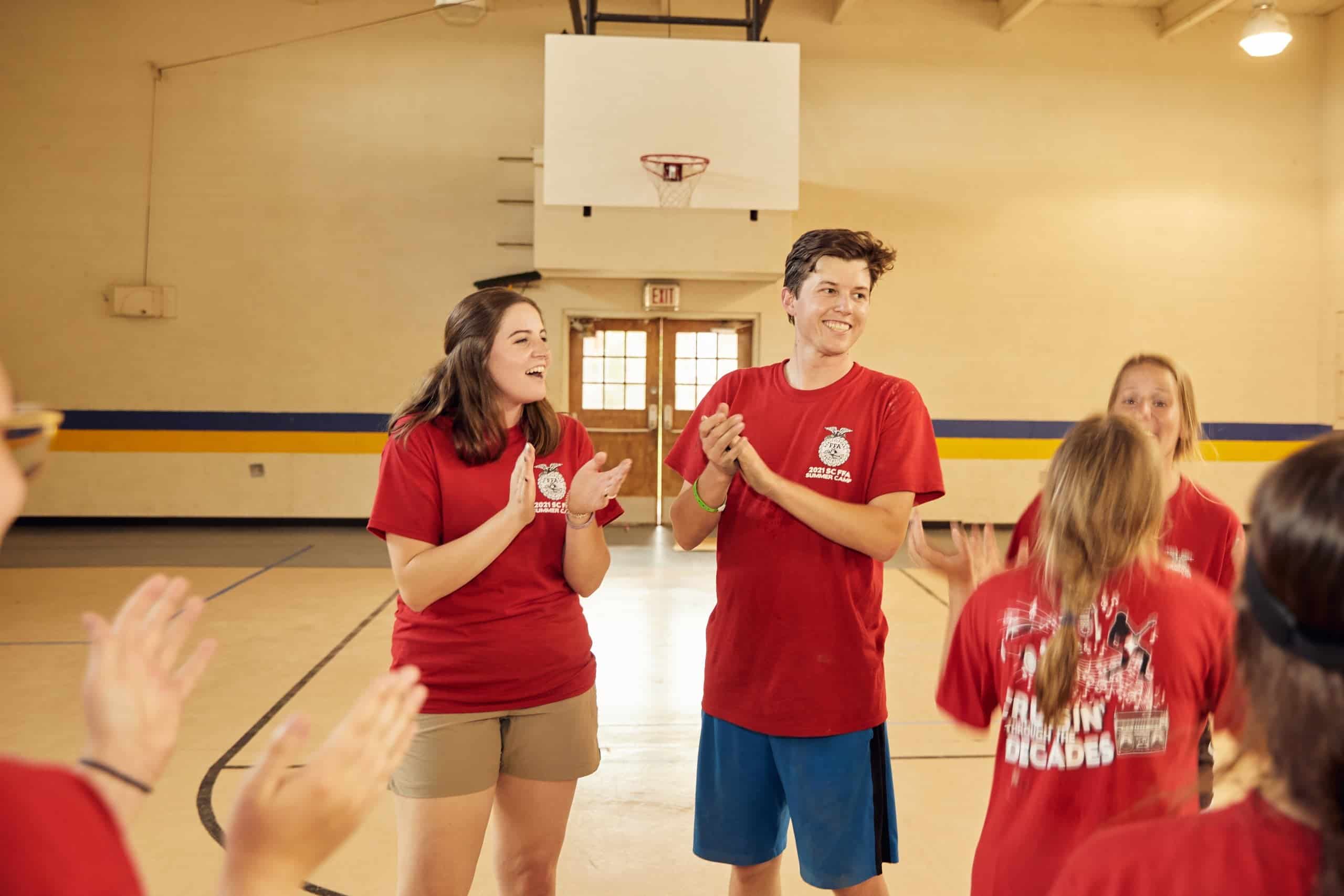
A member’s level of involvement in FFA can vary widely—from not being involved in any activities to competing at the National FFA Convention & Expo. What barriers exist that prevent FFA members from being fully involved in FFA? The National FFA Organization and Purdue University surveyed high-school FFA members from 60 schools to help answer this question. Survey participants came from 60 FFA chapters—31 classified as being in a rural area and 29 in an urban area.1 There were 590 usable responses from current FFA members.2 Most responses (about 90%) came from members of urban FFA chapters. While this research study3 was not the largest study of FFA members in terms of the number of respondents, it was the most racially and ethnically diverse pool to date. This report focuses on levels of involvement in FFA across various demographics—including urban or rural classification—and conclusions that can be drawn about more highly involved FFA members. Forthcoming reports will focus on other aspects of this research study. How is involvement in FFA measured on a survey? The survey [...]

Follow-Up: Graduating FFA Seniors Are College- and Career-Ready
In 2018, a collaborative study between Purdue University and the National FFA Organization1 explored the relationship between involvement in FFA and college and career readiness. Then in September 2019, National FFA conducted a follow-up study with a new sample of graduating FFA members during the first semester of their senior year in high school. Results show that FFA seniors continue to be college- and career-ready, as seen below. Impressive Grade Point Averages Set FFA Seniors Apart National FFA asked surveyed seniors to report their GPA. On a 4.0 unweighted scale, self-reported GPAs remain high among FFA seniors, with an average GPA of 3.59 out of 4.0. Ninety-six percent of graduating seniors reporting their GPA have an A or B average. In the previous study, the average self-reported GPA was 3.69, with the same percentage of graduating seniors being A or B students. No reported grade point averages indicated that members earned below a C average. FFA Seniors’ Critical Thinking Capabilities Match With Employers’ Expectations A 2015 survey found that employers believe critical thinking is among the [...]
National FFA State Officer Programs: Supporting the 2020-21 State Officers
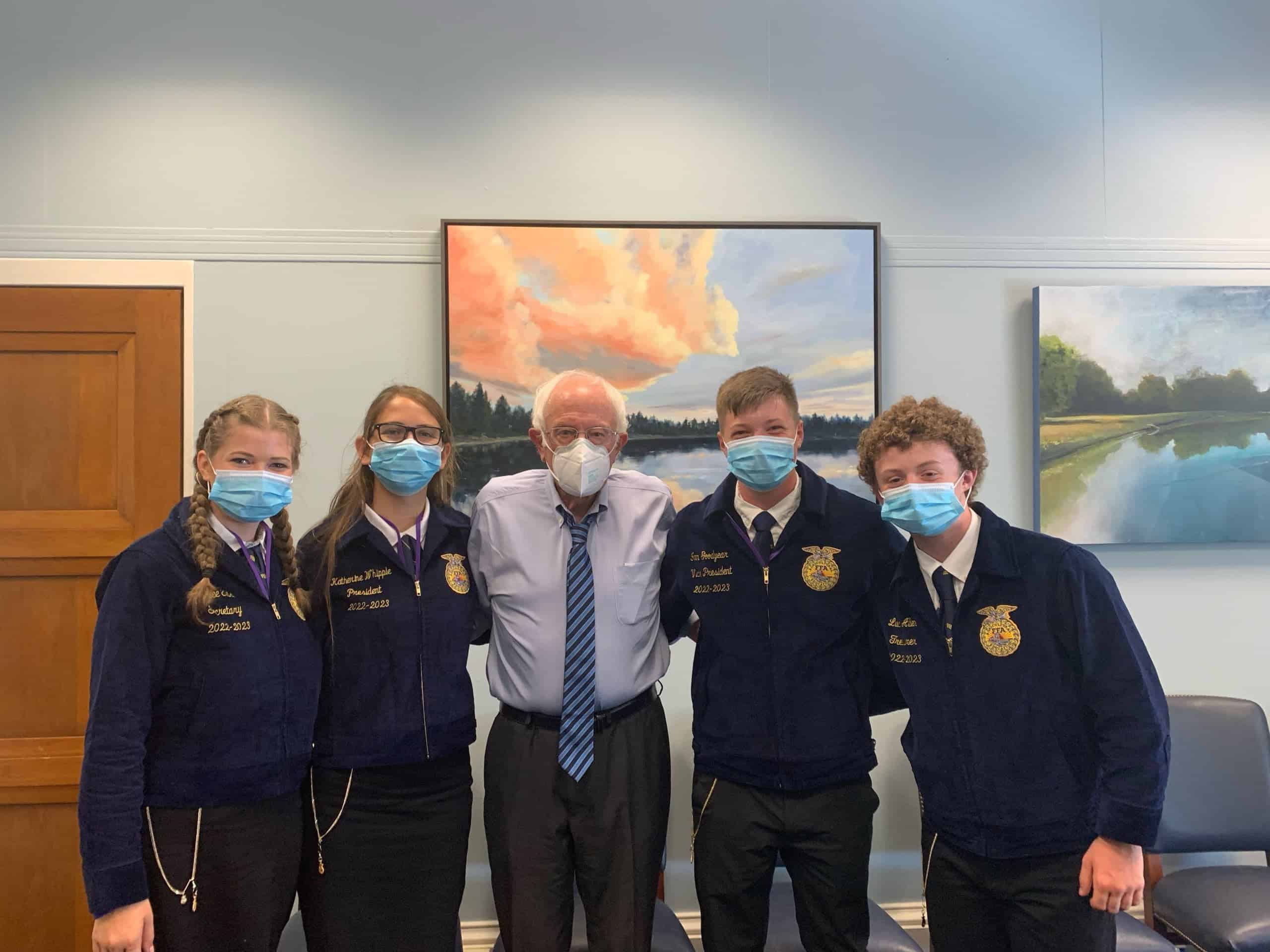
Supporting state FFA officers While each state FFA officer’s journey is different, the National FFA Organization supports states and their officers through a blended learning model that includes face-to-face training experiences, digital and print resources, and online education—all of this to guide in the development of world-ready leaders. Who are they? The 2020-21 state FFA officers Three hundred and seventy-one state officers served the 2020-21 term. During their terms, 64% of these officers were in college, while 15% were high school seniors, 11% were business owners, 9% were taking a leave of absence from school to serve as state officers, and 2% were high school juniors or younger.1 Setting a strong foundation for an effectual year of service Officers from 47 states and Puerto Rico completed 119 trainings with National FFA and within their states; these trainings were Base Camp and Checkpoints. Focus areas of Base Camp and Checkpoints included sound character, positive influence, professionalism, time management, conversation skills, public speaking, effective communication, team dynamics and workshop facilitation. We asked attendees five questions related to each [...]