2024 Middle School (Grades 5-8) FFA Advisor Needs Assessment: Key Findings
In spring 2024, the National FFA Organization surveyed a national sample of 218 FFA advisors and agriculture teachers of fifth- to eighth-grade agriculture programs. Questions on the survey inquired about how their program operates, student engagement, general support, barriers, challenges, and the resources educators use and are looking for. The following summary highlights some key results. The survey received a national sample The survey intentionally sought responses from teachers across the nation. The highest number of survey responses came from Georgia, Florida, North Carolina, Virginia and Kentucky. When asked to indicate approximately how many students are in their fifth- to eighth-grade agriculture programs, respondents reported an average of 234 students. Responses reflected a wide range, from six to 900 students. The structure of middle school (grades 5-8) agriculture programs varies nationwide Almost 90% of respondents (N=182) reported that their agriculture class is offered as an elective, while 13% said it is a required course. 9 in 10 respondents reported that their agriculture program uses the three-component model.1 Nine percent reported that their chapter operates differently from [...]

Indiana Agricultural Education Classroom Enhancement Grants – 2023 Impact
13 school-based agriculture educators received a classroom enhancement grant in 2023. The 2023 recipients of the classroom enhancement grants had between one and three full-time agriculture teachers in their agriculture programs. 2023 grant recipients serve students in grades 7-12. 2023 grant recipients serve an average of 164 agricultural education students each. When asked about their chapter, 2023 grant recipients reported that: 31% of their students are economically disadvantaged. 13% of their students have disabilities/IEPs. 9% of their students are racial or ethnic minorities. 1.5% of their students are English Language Learners. Grant recipients applied their funds to these classroom enhancements: Purchasing equipment Upgrading equipment Purchasing curriculum My students learn best with hands-on instruction, but my shop and classroom are very sparsely equipped so I have to do more online curriculum. This makes it harder for [students who are English Language Learners] to understand. 2023 FFA Advisor Needs Assessment
National FFA Agriscience Fair: Participation and Impact
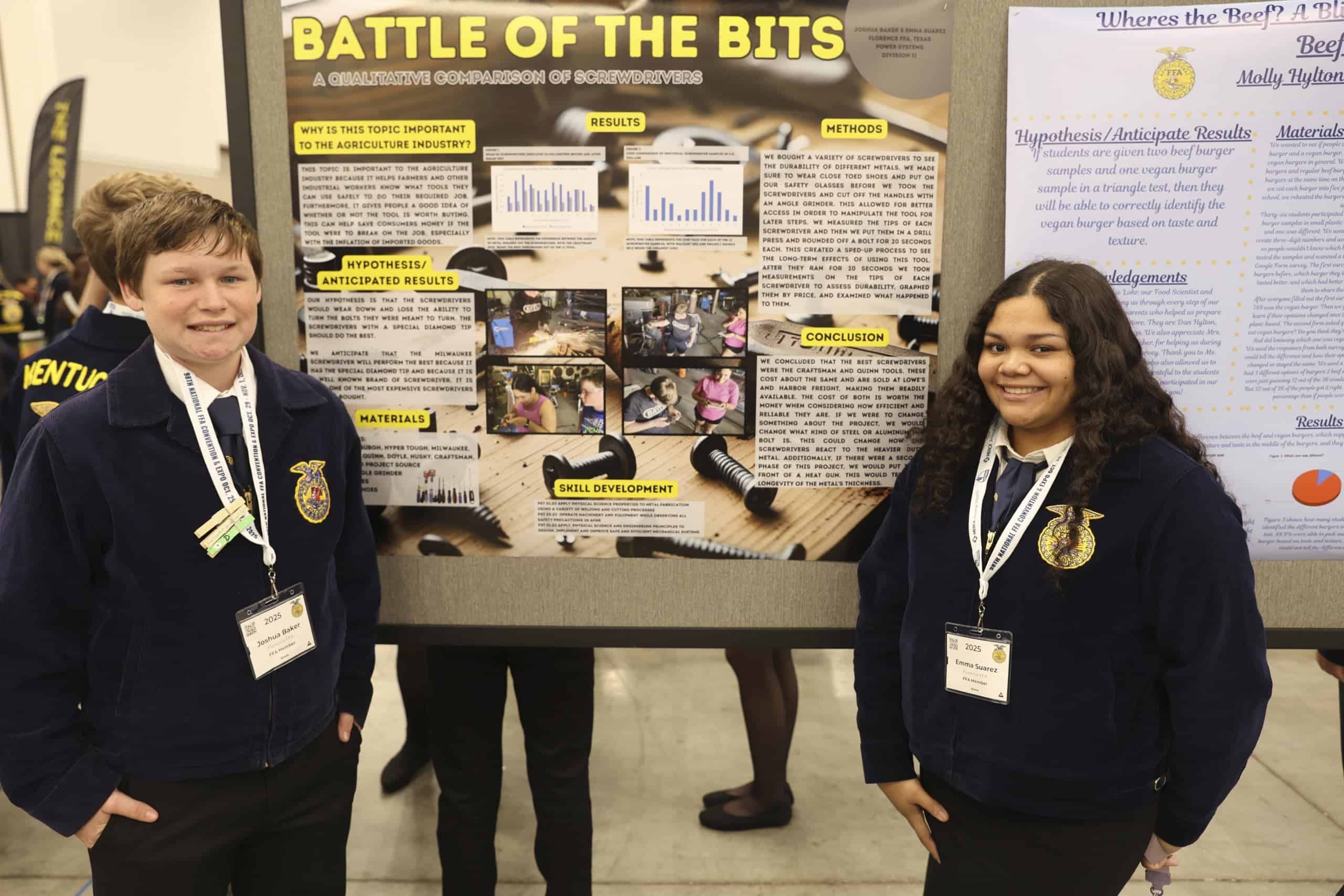
The National FFA Agriscience Fair recognizes students who gain real-world, hands-on experience in agricultural enterprises. Students use scientific principles and emerging technologies to solve complex agriculture, food, and natural resources problems. The agriscience fair is for middle and high school students. Participation begins at the local level and progresses to state and national levels. Number of Participants Continues to Grow Participation in the Agriscience Fair has grown steadily over time — except for the 2020 virtual event. 2016—593 participants 2017—724 participants 2018—759 participants 2019—778 participants 2020—637 participants (virtual) It pays to compete. $121,500 in total cash payouts was awarded to 162 winners recognized at the 2020 National FFA Convention & Expo. Outcomes for FFA Members We asked FFA members who competed in the National FFA Agriscience Fair in 2020 about their experience. After participating, at least 85% of FFA members1 told us that they… now have a better understanding of the scientific method have learned something about agriculture that they did not know prior to their project are more interested in studying in a scientific field [...]
National Chapter Award Program: Driving Member Involvement and Chapter Excellence
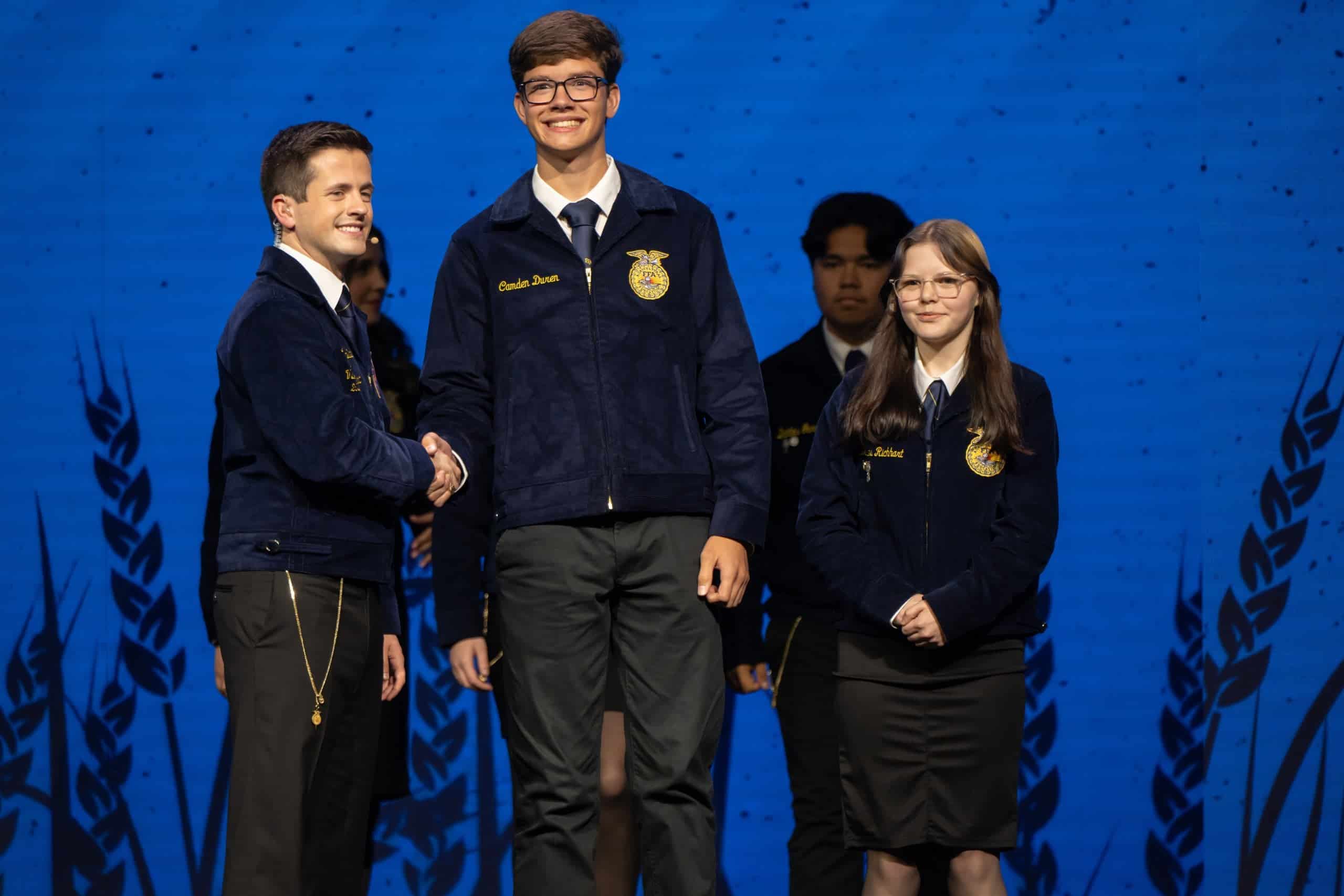
The National Chapter Award Program is designed to recognize FFA chapters that actively implement the mission and strategies of the organization. These chapters improve chapter operations using the National Quality Chapter Standards (NQCS) and a Program of Activities (POA) that emphasize growing leaders, building communities and strengthening agriculture. Chapters are rewarded for providing educational experiences for the entire membership. Chapter Activities Across 673 applications, chapters reported 2,019 activities in each of the three focus areas. Building communities To help local food pantries replenish much-needed items, Scales Mound FFA (IL) created bingo cards filled with those needs and sent groups into the community to collect the items and fill their cards, while also handing out flyers with information about agriculture. Growing leaders Southeastern FFA (OH) members created a Positivity Tree to provide simple, anonymous pick-me-ups in the form of handwritten notes that focused on encouragement, self-worth and positive quotes. Notes were hung as ornaments for students to take as needed. Strengthening agriculture Flanagan-Cornell FFA (IL) decided to create an Active in Agriculture vlog with videos from various [...]

What is National FFA Week?
What is FFA? FFA is an intracurricular student organization for those interested in agriculture and leadership. FFA develops members’ potential and helps them discover their talent through hands-on experiences, which give members the tools to achieve real-world success. The letters “FFA” stand for Future Farmers of America. These letters are a part of our history and heritage that will never change. But FFA is not just for students who want to be production farmers; FFA also welcomes members who aspire to careers as teachers, doctors, scientists, business owners and more. What is National FFA Week? Each year, FFA chapters around the country celebrate National FFA Week. It’s a time to share what FFA is and its impact on members daily. The week is characterized by designated days celebrating agriculture and FFA, including National Days of Service, Ag Teacher Appreciation Day, and National Wear Blue Day. The first National FFA Week took place in 1948 when the National FFA Board of Directors designated a week-long celebration from Saturday to Sunday. The week always encompasses George Washington’s birthday [...]