2024 Middle School (Grades 5-8) FFA Advisor Needs Assessment: Key Findings
In spring 2024, the National FFA Organization surveyed a national sample of 218 FFA advisors and agriculture teachers of fifth- to eighth-grade agriculture programs. Questions on the survey inquired about how their program operates, student engagement, general support, barriers, challenges, and the resources educators use and are looking for. The following summary highlights some key results. The survey received a national sample The survey intentionally sought responses from teachers across the nation. The highest number of survey responses came from Georgia, Florida, North Carolina, Virginia and Kentucky. When asked to indicate approximately how many students are in their fifth- to eighth-grade agriculture programs, respondents reported an average of 234 students. Responses reflected a wide range, from six to 900 students. The structure of middle school (grades 5-8) agriculture programs varies nationwide Almost 90% of respondents (N=182) reported that their agriculture class is offered as an elective, while 13% said it is a required course. 9 in 10 respondents reported that their agriculture program uses the three-component model.1 Nine percent reported that their chapter operates differently from [...]

Indiana Agricultural Education Classroom Enhancement Grants – 2023 Impact
13 school-based agriculture educators received a classroom enhancement grant in 2023. The 2023 recipients of the classroom enhancement grants had between one and three full-time agriculture teachers in their agriculture programs. 2023 grant recipients serve students in grades 7-12. 2023 grant recipients serve an average of 164 agricultural education students each. When asked about their chapter, 2023 grant recipients reported that: 31% of their students are economically disadvantaged. 13% of their students have disabilities/IEPs. 9% of their students are racial or ethnic minorities. 1.5% of their students are English Language Learners. Grant recipients applied their funds to these classroom enhancements: Purchasing equipment Upgrading equipment Purchasing curriculum My students learn best with hands-on instruction, but my shop and classroom are very sparsely equipped so I have to do more online curriculum. This makes it harder for [students who are English Language Learners] to understand. 2023 FFA Advisor Needs Assessment
Indiana Agricultural Teachers’ Professional Development Grants – 2023 Impact
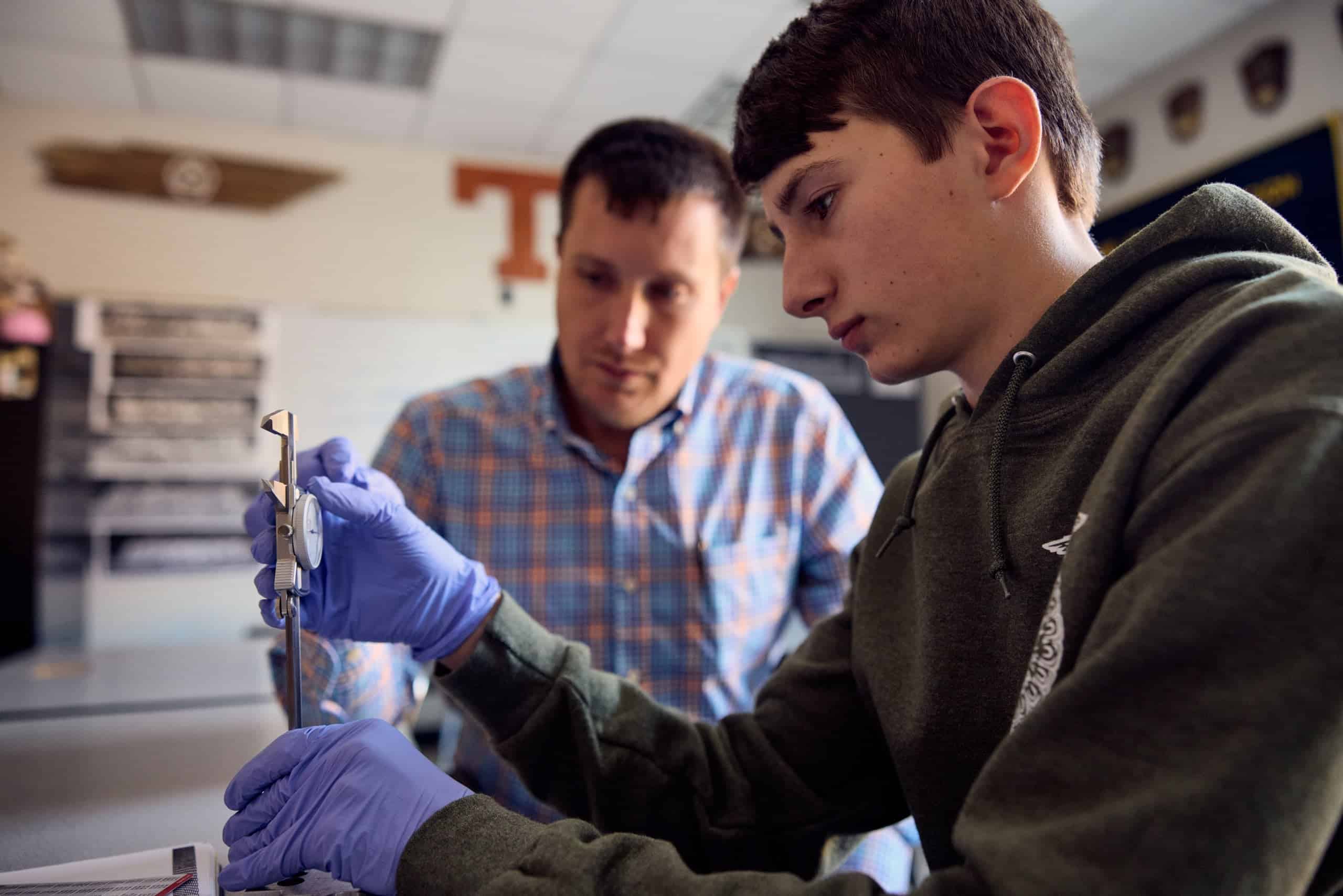
Professional Development in Agricultural Education Nearly one in four respondents (22%) to the 2023 FFA Advisor Needs Assessment somewhat or strongly disagreed with the statement, “I have access to a variety of valuable professional development opportunities.” Almost half (47%) of respondents to the 2023 FFA Advisor Needs Assessment said budget/cost constraints have a great deal of influence on their decision to participate in professional development opportunities. 25 school-based agriculture educators received a Teacher Professional Development Grant from National FFA in 2023. 22 recipients are licensed educators, while one recipient is alternatively certified and two are special grant/permission or emergency certified educators. The 2023 recipients of the Teacher Professional Development Grants serve students in grades 6-12. The 2023 recipients of the Teacher Professional Development Grants serve student populations from 180 students to 2,012 students. The 2023 recipients of the Teacher Professional Development Grants serve 42 to 355 agricultural education students. From my experience, I now make a more concentrated effort to give my ELL students better-translated materials whenever possible. I also try my best to use phrases [...]

Motivated To Do Their Best: FFA Members and Advisors
Motivation and active engagement remain relevant topics when studying FFA members and FFA advisors, especially since COVID-19. This report includes results from 419 FFA members we surveyed in early 2024. It specifically highlights survey questions centered around motivation and active engagement. Findings reveal that FFA members and agriculture teachers/FFA advisors seem to be out of sync when it comes to the perception of student motivation levels. Agriculture educators should take members’ feedback found throughout this report and use it to help bridge the gap in perceived motivation and engagement levels between FFA members and agriculture teachers/FFA advisors. Lasting impact? The perceived effect of COVID-19 on members’ motivation levels varies. 1 in 3 FFA advisors (N=2,002) identified lack of student motivation as their biggest challenge in a 2023 survey.1 Over half of the FFA members surveyed in 2024 (59%, N=246) said that COVID-19 had no effect on their motivation to do well in school. Be an active participant: FFA members report high levels of motivation and active engagement in their FFA chapters. A series of validated scales [...]
National FFA and Agriculture Educators: National Teacher Ambassadors for FFA and Results of the 2021 FFA Advisor Needs Assessment
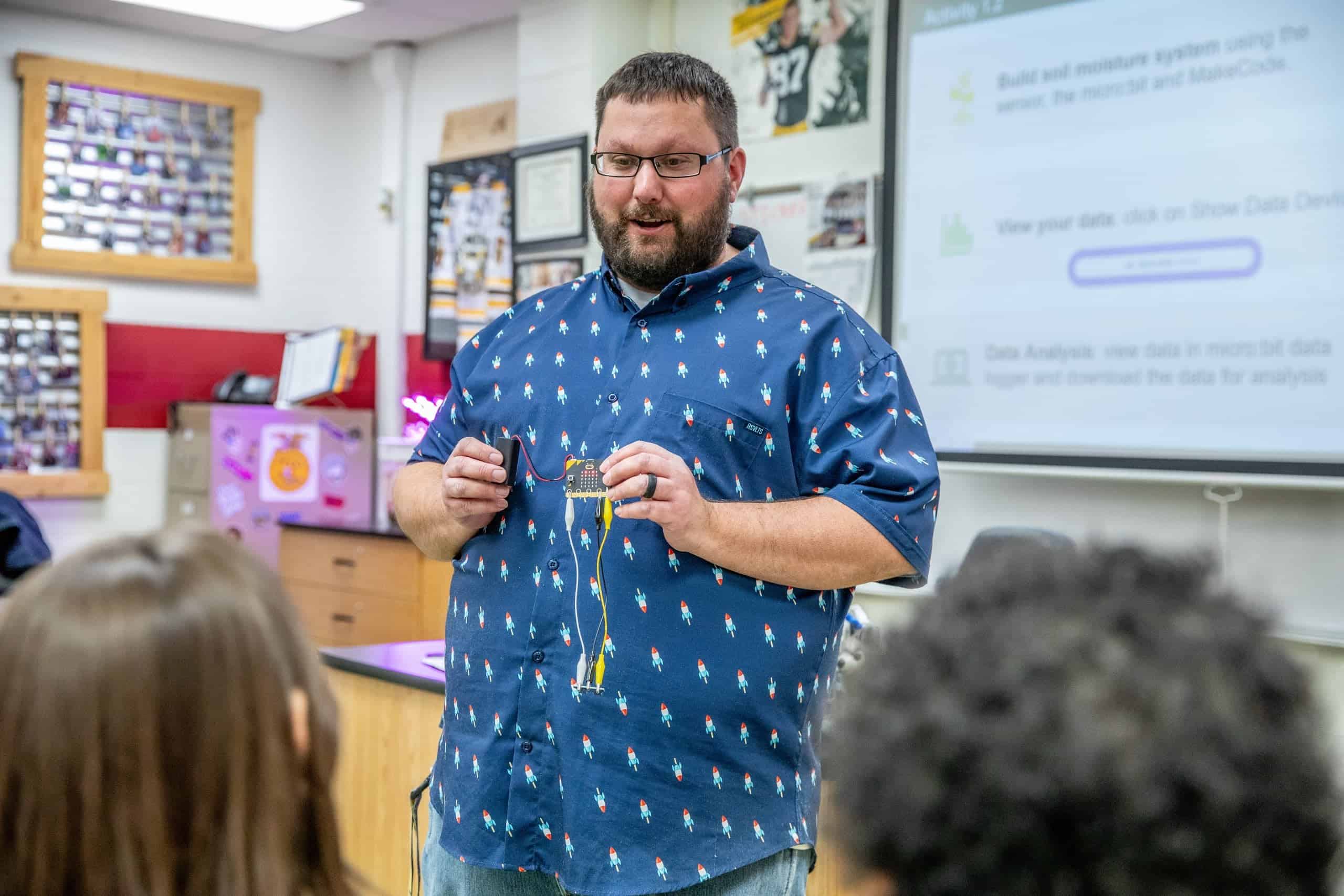
Keeping agriculture educators at the frontline of innovation in today’s classrooms In order to stay up-to-date with today’s teachers, National FFA seeks feedback from agriculture educators in two main ways: consulting with the National Teacher Ambassadors for FFA and conducting a formal advisor needs assessment survey every two years. Growing professionally as National Teacher Ambassadors for FFA National Teacher Ambassadors for FFA present educational sessions on FFA educator resources and are overall representatives of the National FFA Organization. We asked 54 National Teacher Ambassadors for FFA (serving 2020-21) how the ambassador program enhanced their ability to grow professionally. Ambassadors told us that gaining knowledge on FFA resources most enhanced their ability to grow professionally. Gaining knowledge on FFA resources – 98% Networking/meeting other agriculture teachers – 90% Becoming a resource for other teachers/serving teachers – 90% Connecting with National FFA staff – 87% For the second year in a row, the majority of 2020-21 ambassadors (89%) said that providing information and resources to other teachers was their greatest impact of their role. Where are they? Locations [...]
FFA Advisor and Agriculture Educator Needs Assessment Survey: 2023 Findings
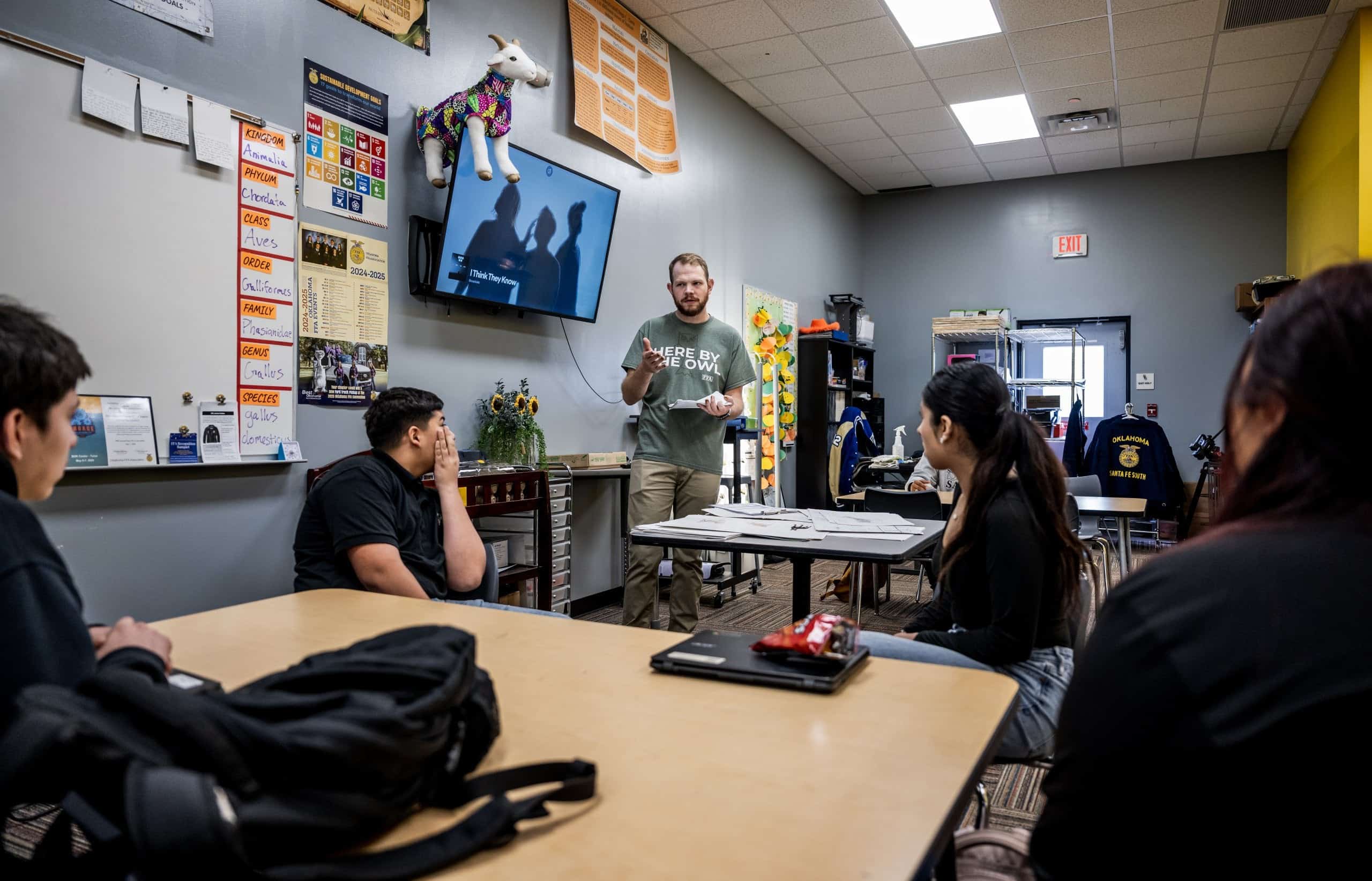
The National FFA Organization conducts a biannual survey of agriculture educators/FFA advisors. The purpose of the survey is to obtain a national representation of educators to participate and provide insight into what National FFA resources teachers are using in their classrooms and local chapters, as well as what future resources they need. This document shares findings directly from agriculture teachers from 2023. In spring 2023, the National FFA Organization distributed an online survey to all 14,158 FFA advisors in the national membership roster. The survey received 2,480 (partial or complete) responses, yielding an 18% overall response rate. 2023 Advisor Needs Assessment Findings Top Three Areas of Need for Resources Identified by Agriculture Educators Developing SAE opportunities for students (N=1,332) Filling out award applications (N=1,167) Filling out FFA grants (N=1,119) Sixty-one percent of respondents said National FFA provides enough resources to support advisors. Top Five Pathway Educational Resources Requested by Agriculture Educators Animal Systems Plant Systems Agriculture Technology Power, Structural and Technical Systems Agribusiness FFA Advisors’ Greatest Challenges and Barriers Respondents were asked what their biggest challenge [...]
What Is National FFA Week? The History, Practices and School Celebrations During 2026 National FFA Week
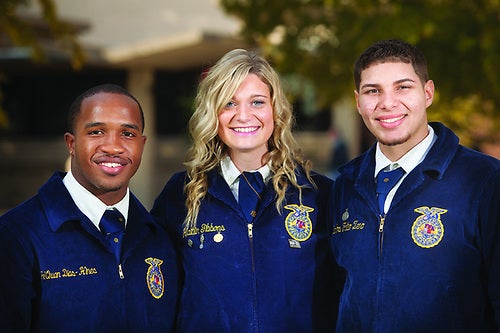
What Is FFA? FFA is an intracurricular student organization for those interested in agriculture and leadership. FFA develops members’ potential and helps them discover their talent through hands-on experiences, which give members the tools to achieve real-world success. The letters “FFA” stand for Future Farmers of America. These letters are a part of our history and heritage that will never change. Today, FFA members are future farmers, chemists, veterinarians, government officials, entrepreneurs, bankers, international business leaders, teachers and premier professionals in many career fields. What Is National FFA Week? Each year, FFA chapters around the country celebrate National FFA Week. It’s a time to share what FFA is and its impact on members daily. The week is characterized by designated days celebrating agriculture and FFA, including National Days of Service, Ag Teacher Appreciation Day and National Wear Blue Day. The first National FFA Week took place in 1948 when the National FFA Board of Directors designated a weeklong celebration from Saturday to Sunday. The week always encompasses George Washington’s birthday (Feb. 22) in recognition of his [...]
A Look Into 2022 Local FFA Week Celebrations
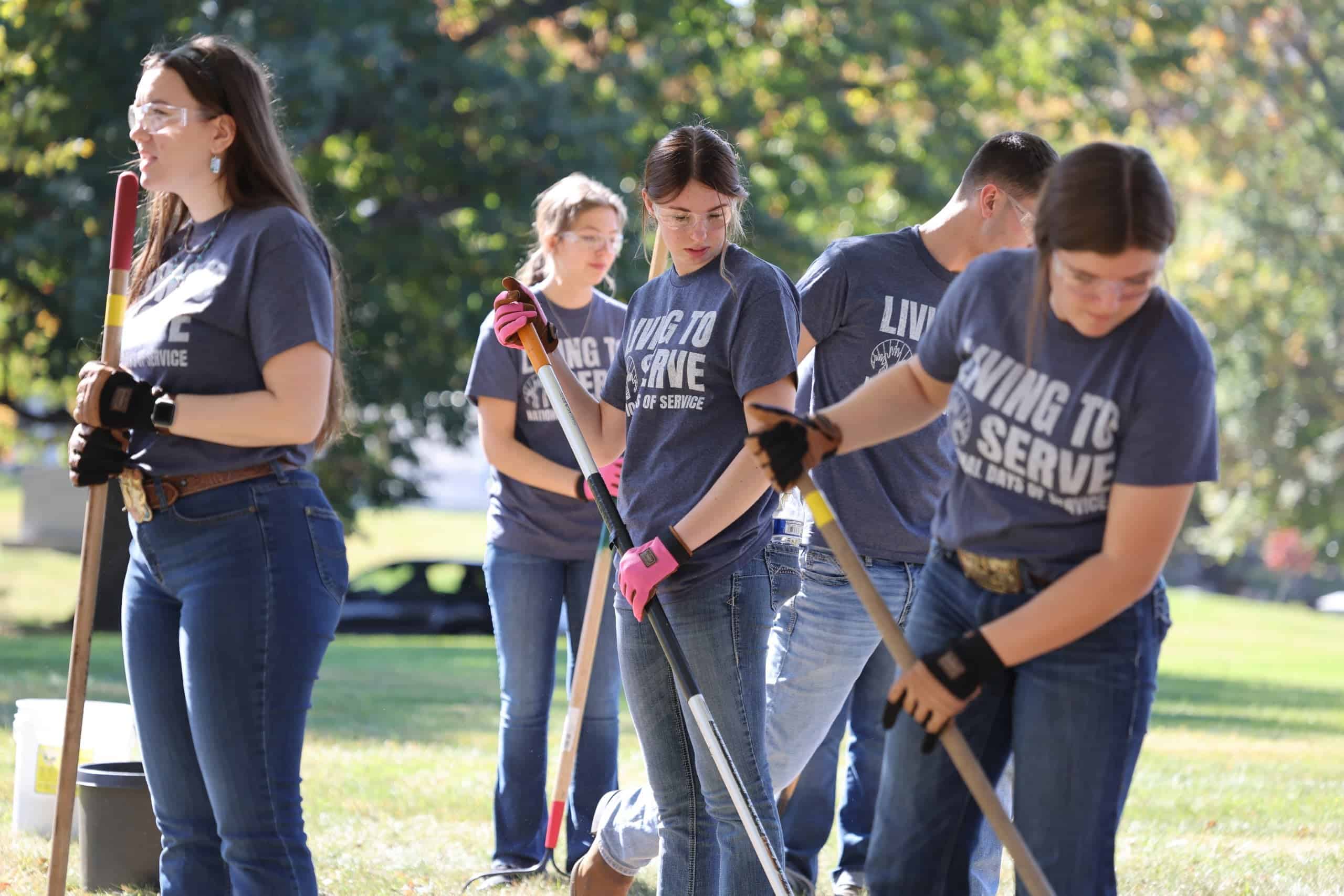
Celebrating National FFA Week Locally Each year, FFA chapters celebrate National FFA Week. It’s a time to share what FFA is and its impact on members. From teacher appreciation events to school spirit days to service projects, FFA chapters celebrated the history and the future of FFA. This document provides both quantitative information and anecdotes from FFA chapters about FFA Week activities. For more information, contact evaluation@FFA.org. How an FFA chapter chooses to celebrate National FFA Week is completely dependent on that chapters’ members and advisor(s). However, common local FFA Week activities include but aren’t limited to1: Teacher appreciation Social media campaigns Service projects Engaging with alumni and supporters School assemblies School spirit days (i.e., “wear blue and gold day”) Recognition of Greenhand Degree recipients Fundraisers Most Chapters Reported Implementing Teacher Appreciation Activities and Social Media Campaigns During FFA Week Teacher appreciation: 80% Social media campaigns: 63% Service projects: 60% Alumni and supporters: 40% School assemblies: 40% Fundraising: 23% Other: 26% 2022 FFA Week National Days of Service 1,172 FFA members from 20 states completed 2,257 [...]
2019 FFA Advisor Needs Assessment Findings
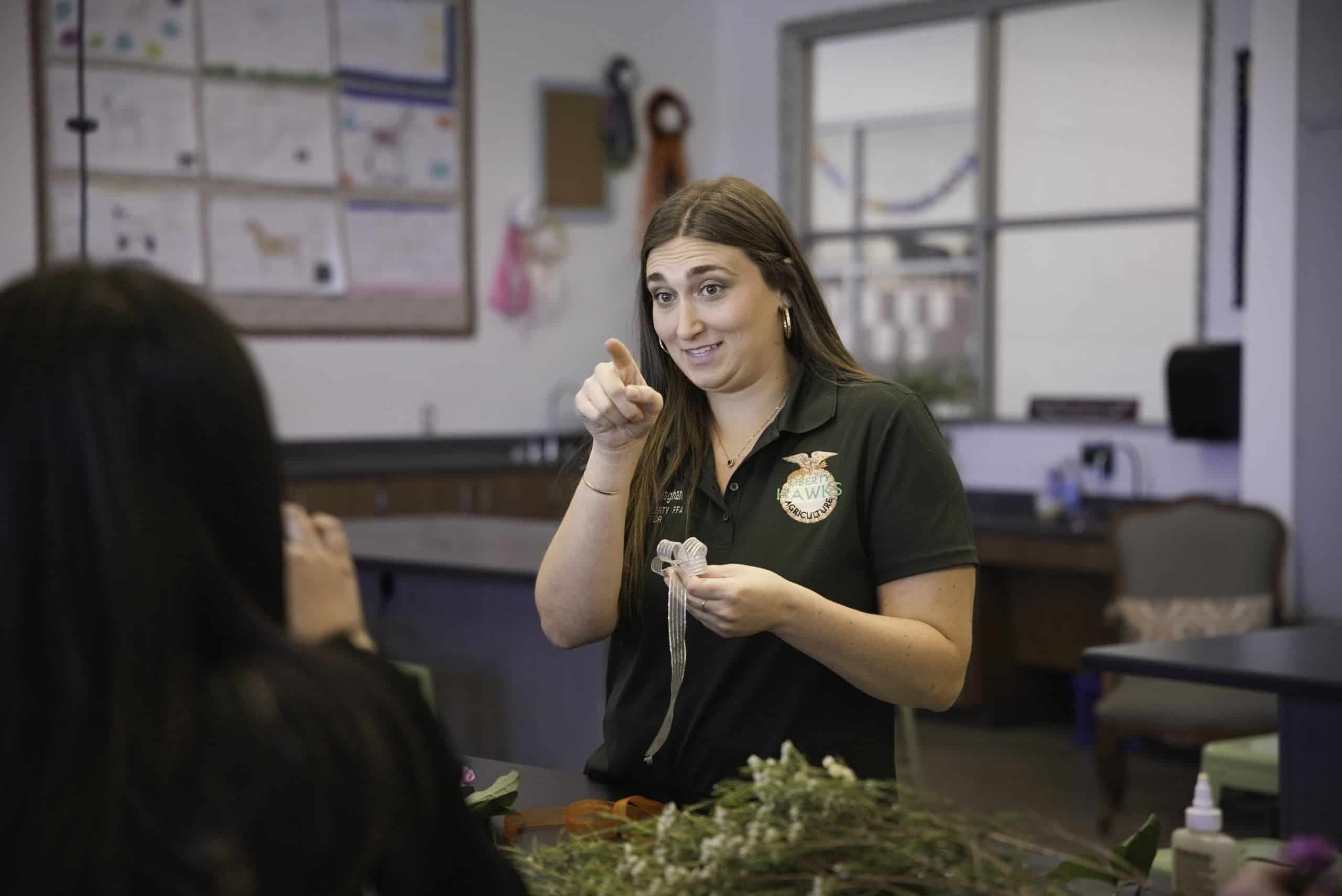
A study conducted by the National FFA Organization in March through May of 2019 provided feedback from 708 agriculture teachers and FFA advisors from the eastern, southern, central and western FFA regions about their needs as agriculture educators, educational resources and experiences offered by FFA, their relationship with FFA and a variety of other topics. This document outlines some key findings from that study. Alternatively Certified Teachers Alternatively certified teachers are those who have been awarded a teaching license even though they have not completed a traditional teacher certification program. In all subject areas in every state in the U.S., individuals who choose to become a certified teacher through alternate means help to fill open positions that exist due to problems facing teaching nationwide, especially teacher recruitment and retention.1 Agricultural education, specifically, has historically faced challenges in teacher recruitment and retention.2 The Advisor Needs Assessment revealed that 18% of agriculture teachers surveyed are alternatively certified. Those who reported being alternatively certified stated that their biggest challenges include navigating FFA, developing classroom management, running and starting an [...]

2025 FFA Advisor and Agriculture Educator Needs Assessment Survey
The National FFA Organization conducts a biannual survey to identify and assess the current needs of agriculture educators/FFA advisors while aiming to understand the demands of the teaching profession better. The survey results provide insights into what National FFA resources teachers are using in their classrooms and local chapters and what future resources they need. This document shares findings directly from agriculture teachers from 2025. FFA Advisors’ Greatest Challenges Three out of four respondents (75%, N=799) named lack of student motivation as their biggest challenge in navigating their classrooms within the last two years—the same as in 2023. Thirty-seven percent (N=390) indicated a lack of resources in the classroom. Twenty-nine percent (N=313) said a lack of support from students’ parents/guardians. Twenty-six percent (N=279) reported a lack of support from administration. One in four (25%, N=264) respondents chose “struggles with my health” (mental, physical, emotional). Just over half of respondents (52%, N=536) reported being quite or extremely satisfied with their jobs. Almost three in four respondents (72%, N=732) feel supported in their classrooms in the last three [...]
National FFA Organization’s Response to COVID-19
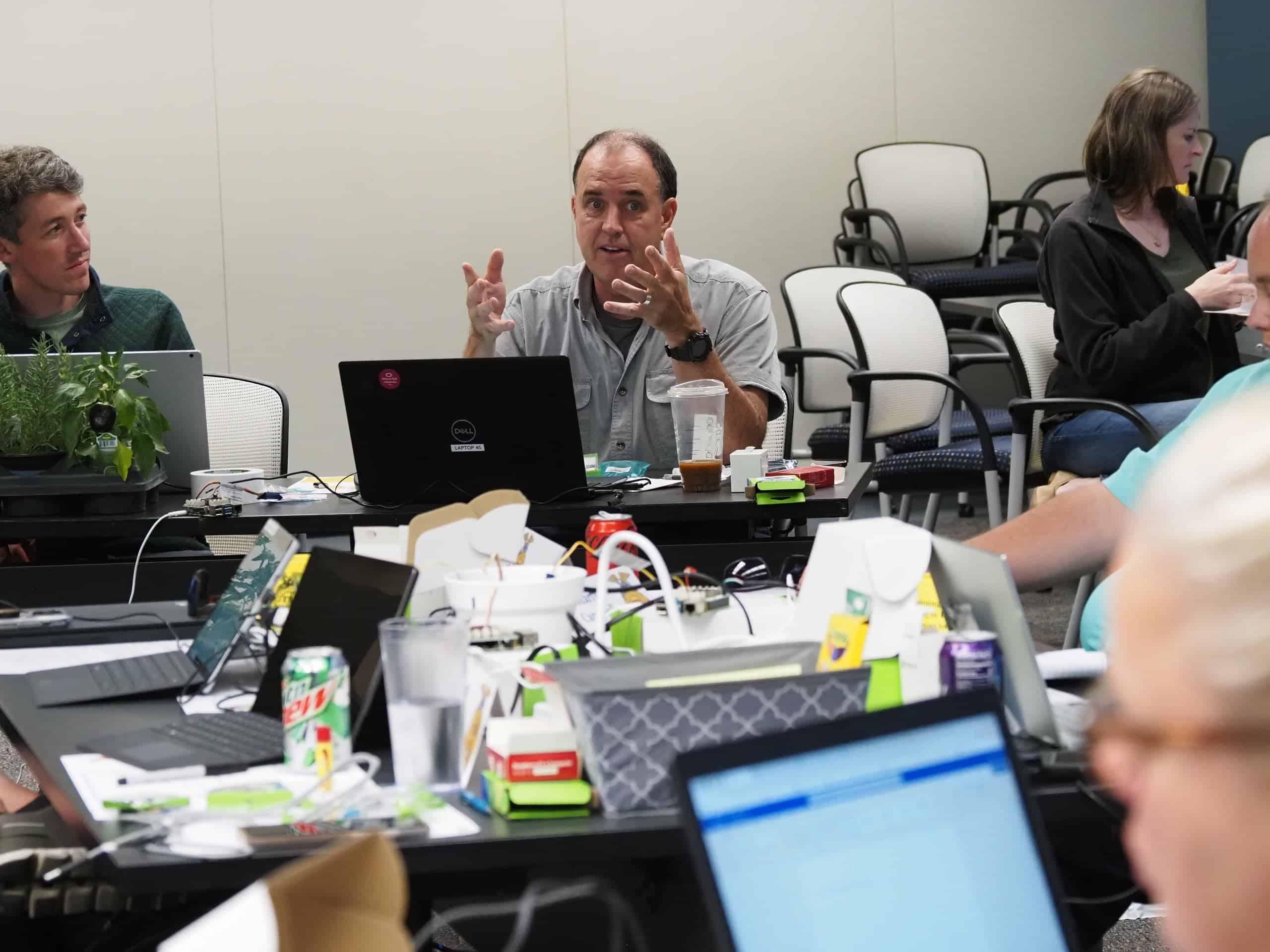
The new coronavirus (COVID-19) became a worldwide pandemic in early 2020, prompting businesses and organizations to close throughout the United States. Perhaps two of the most impacted groups by the closings and limits on social gatherings were teachers and students. When schools closed, many faced the challenge of transitioning to e-learning to finish the school year. Canceled conferences and events also impacted participants. National FFA took the following actions to ensure that the FFA mission was still being delivered to members and teachers in the wake of COVID-19: Educator Resources National FFA recognized the potential difficulty of moving all learning online in a short time. To help ease the burden on agriculture educators, FFA took actions ranging from providing the 2017 National FFA Student Handbook online for free to creating a guide on distance learning. Analytics1 revealed that the 2017 Official FFA Student Handbook (English) was one of the top 10 accessed educator resources in both March and April, along with supervised agricultural experience (SAE) videos, the generic activity worksheet for SAE videos, and SAE choice [...]
National Teacher Ambassadors for FFA: Program Overview, History and Plans
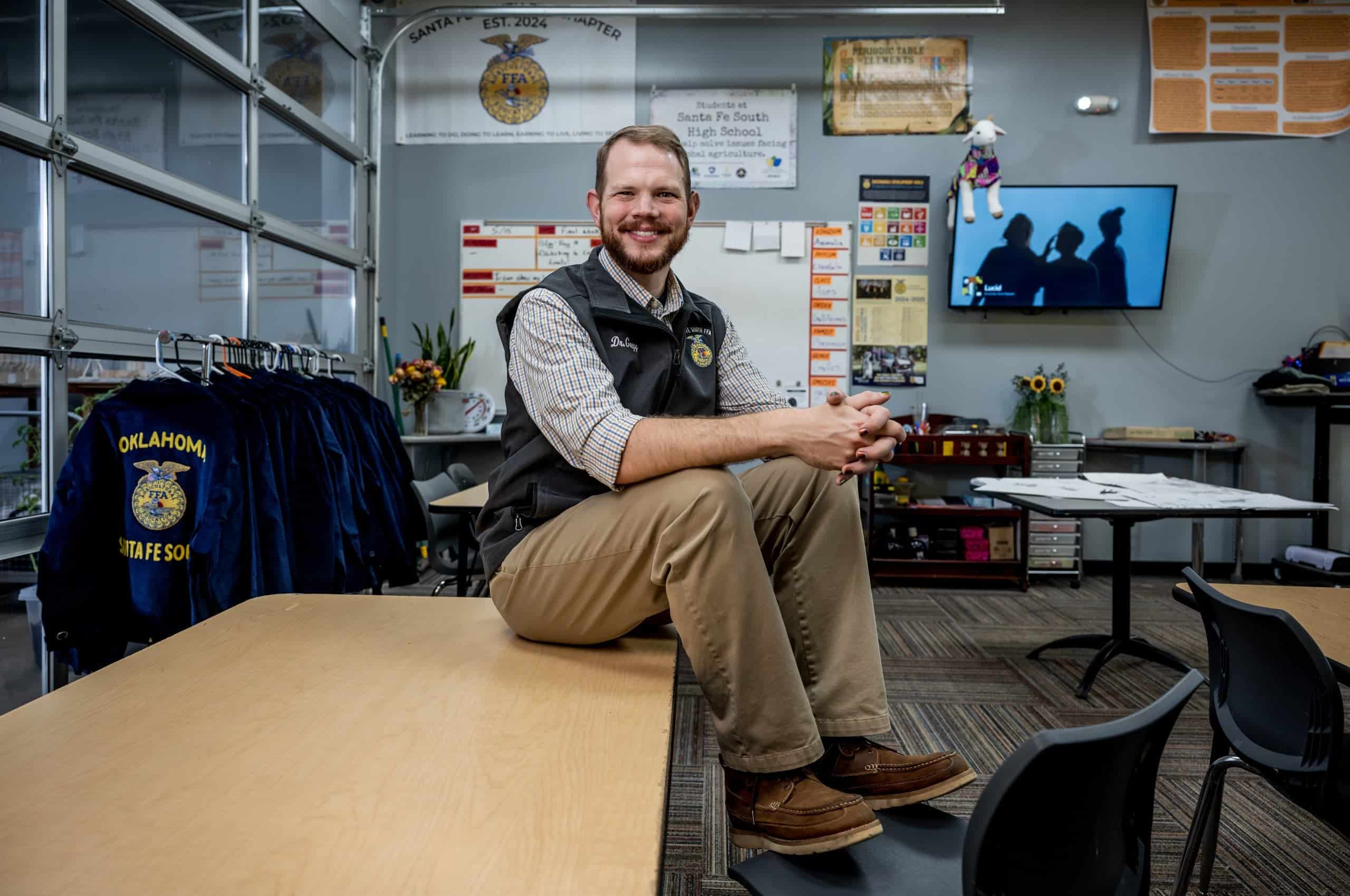
Program Overview: Description and Objectives The National Teacher Ambassadors for FFA are a group of agriculture educators currently in the classroom. They are trained to answer questions and provide training related to the various educational resources and experiences the National FFA Organization offers. A group of qualified teachers is selected each Spring to serve in the program from June to June. Additionally, to continue professional development, the program has grown to include mentor National Teacher Ambassadors for FFA. Through this added layer, support and professional development can be amplified to meet the needs of the program. Four Primary Objectives Guide the Program Answer questions from agriculture educators and provide them with training and regular communications related to the various educational resources and experiences National FFA offers. Provide relevant feedback from the educational field to National FFA. Serve as an advocate of the organization to teachers within home states and others across the country. Advance teacher ambassadors’ and other teachers’ professional growth. Teacher Ambassadors Benefit From Professional Growth Opportunities All ambassadors attend an in-person training to learn [...]