Growing More Than Plants: Lessons in the Learning Garden
Rooted in Learning
When people think of agriculture, they might picture sprawling fields or livestock pastures. But at Clewiston Christian School, agricultural education takes root in a different setting: a learning garden maintained by students from seventh through 12th grade.
Agricultural education teacher Kalei Hogan started the garden about four years ago, inspired by her previous job at Destination Ag. There, she worked with a raised-bed garden and a pollinator garden that students explored during lessons. She wanted to bring that same kind of hands-on learning to Clewiston Christian.
“I want students to learn where their food comes from while maintaining our garden,” Hogan said.
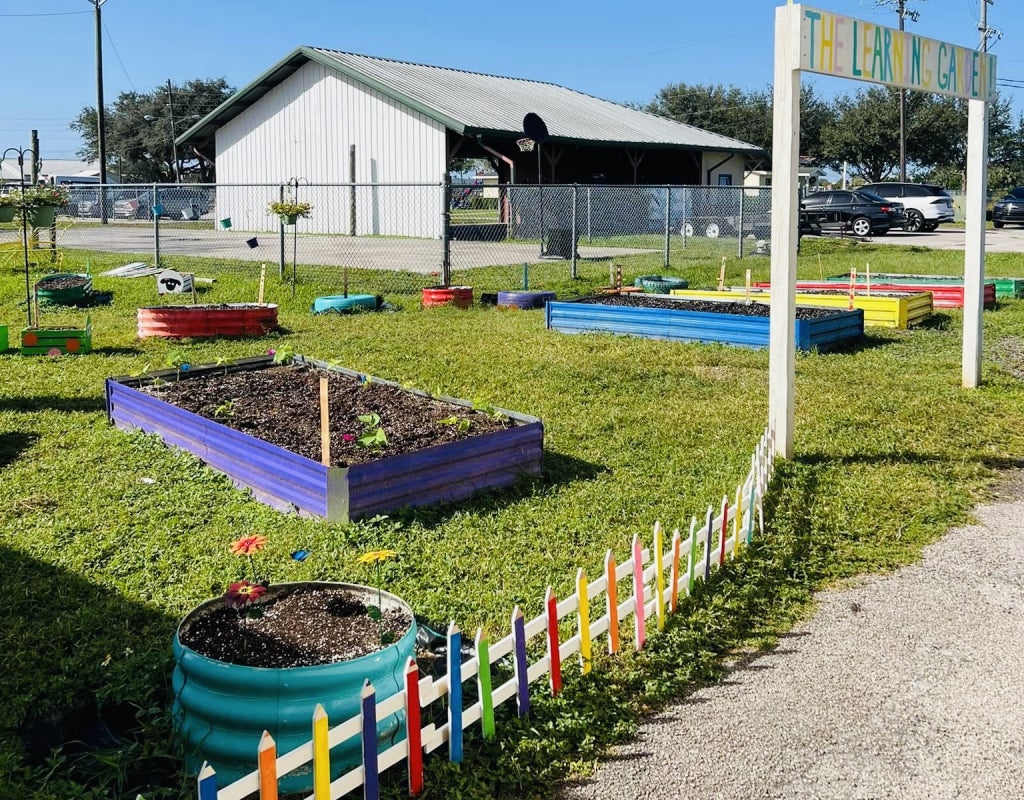
Today, the garden features raised beds filled with vegetables, including tomatoes, beans and eggplants, alongside herbs and flowers. Brightly decorated planters and a handmade entryway covered in students’ handprints make the space a colorful part of campus. This year, students also began starting seedlings indoors under a grow light, adding another opportunity to observe plant development.
Learning by Growing
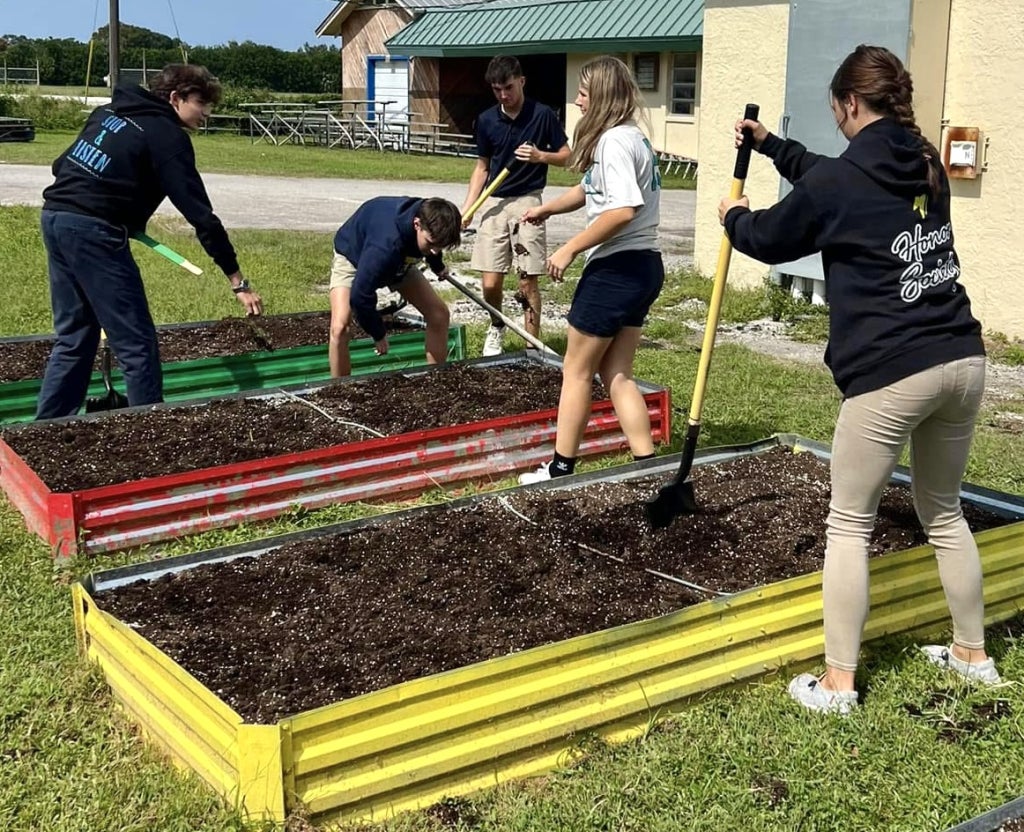
Students across the school’s agricultural classes help maintain the garden, from seventh graders just beginning to explore agriculture to upperclassmen with years of experience. Watering, weeding and caring for the plants all contribute to a successful growing season.
For seventh grader Waylon Rives, the garden offers a chance to move from watching older students work to participating himself. Having attended Clewiston Christian since elementary school, he had seen the garden before he was old enough to take an agriculture class. Now, he gets to experience the work firsthand.
One memorable part of the experience was “being able to actually take what they learned in class and plant the plants,” Rives said. He also gained a greater appreciation for the effort behind growing food, especially after discovering “just how long plants actually take to grow.”
Waylon’s mother, Tasha Rives, sees the value of the garden in how it allows students to apply what they learn beyond the classroom.
“Learning in different ways, other than just reading a book or in a classroom, has been one of Waylon’s favorite parts of his agriculture class,” Rives said.
Junior Bailey Berner brings a different perspective, having spent five years involved in gardening. What began with watering plants has grown into the experience needed to maintain a healthy garden of her own. She has also developed practical knowledge about growing conditions.
“One skill I have gained while working in the garden is determining what type of soil is best for each plant,” Berner said.
Her experience helped spark a deeper interest in agriculture and showed her how consistent effort can pay off.
Harvesting More Than Produce
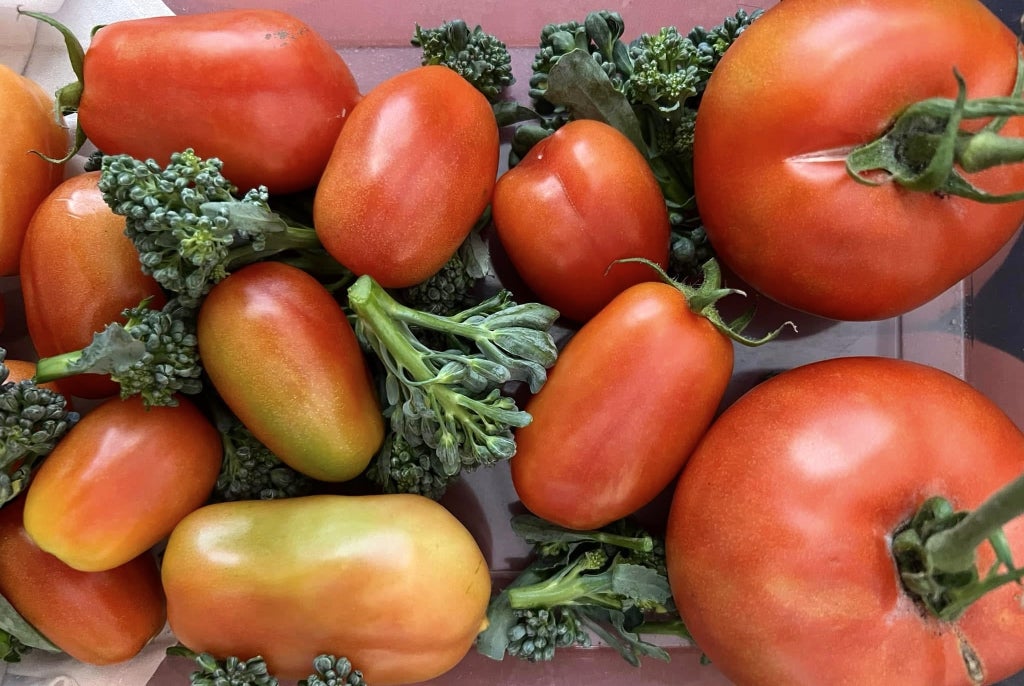
When crops are ready, students often divide the harvest among themselves or share it with teachers. The produce gives students a tangible result of the care they have put into the garden.
Hogan explained that even in an agricultural community, some students do not fully understand where their food comes from or the work required to grow it. The garden helps bridge that gap by connecting what students see on their plates with the process of producing it. She has also seen the experience inspire some students to start gardens at home.
Through the Learning Garden, students discover that agriculture extends beyond traditional farming. It can begin with a seedling, a watering can or a student who has spent years watching others garden and finally gets the chance to participate. Along the way, they build practical skills, develop responsibility and gain a greater appreciation for how food grows.