Falling Into Burnout: A Perspective on the Pressures of Livestock Showing
OPINION The views in this piece are the writer's own.
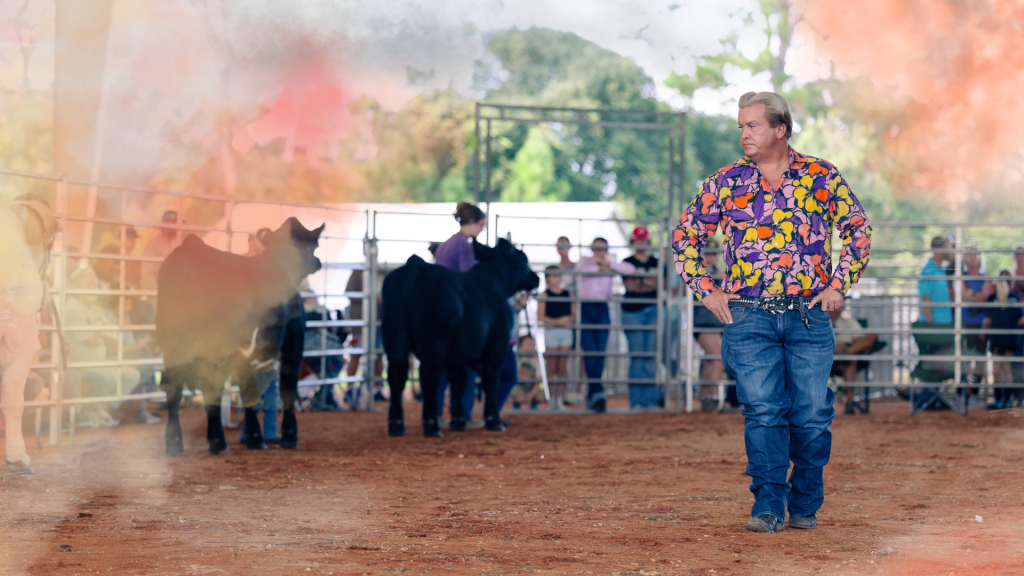
When Passion Becomes Pressure
There is a point in a show season when something that once felt exciting can start to feel exhausting. The early mornings, the hours spent in the barn, the constant adjustments to a feeding program, and the anticipation of walking into the ring can slowly become another list of things that have to get done. The animal still needs to be fed. The next show is still approaching. The work does not pause simply because the person doing it feels tired.
For many livestock exhibitors, showing is more than a project. It becomes a routine, a community, a source of pride and sometimes a part of how they see themselves. That connection is part of what makes the experience meaningful, but it can also make stepping back difficult. When so much time and emotion have been invested in an animal, it can be hard to separate the outcome of a show from the value of the work that went into it.
Burnout does not always look like someone quitting. Sometimes, it looks like an exhibitor who continues to get up early, complete every responsibility, and walk into the ring, while the excitement that once motivated them has been replaced by pressure. From the outside, everything may look fine. The project is still moving forward, but the person behind it may be struggling to keep up emotionally.
When the Fire Starts to Fade
Livestock showing requires consistency. Animals depend on daily care, and progress often comes from weeks or months of work that nobody sees. Exhibitors learn to manage their time, make decisions, accept criticism and continue working when results do not come easily. Those responsibilities can build valuable skills, but they can also create an environment where rest feels unproductive, and every setback feels personal.
The pressure is not always coming from a single person or event. It can be built through comparison with other exhibitors, expectations from family or coaches, the desire to justify the money and time invested in a project, or the belief that each show needs to produce a better result than the last. Social media can add another layer, making it easy to see another person’s champion picture without seeing the weeks of preparation, the difficult days, or the disappointments behind it.
When an exhibitor begins measuring progress only by placings, it becomes easy to overlook everything that cannot be captured on a backdrop. Better animal management, improved showmanship, a stronger understanding of genetics, and the ability to handle disappointment are all forms of growth. Yet when the final placing becomes the only evidence that the work mattered, even a productive season can begin to feel like failure.
Psychology helps explain why this pressure can become difficult to manage. The World Health Organization describes burnout in the context of chronic workplace stress that has not been successfully managed. Its description includes exhaustion, increased mental distance or negativity toward the work, and reduced professional effectiveness. Livestock showing is not a workplace for every exhibitor, so that definition should not be treated as a diagnosis of show-ring burnout. However, its dimensions offer a useful way to understand what can happen when prolonged demands begin to outweigh a person’s ability to recover.
Stress can also affect teenagers in ways that are not always obvious. Changes in sleep, irritability, difficulty concentrating, withdrawing from activities, and physical complaints can all be signs that stress deserves attention. None of these automatically means someone is experiencing burnout, but they are reminders that emotional strain does not always announce itself through a person giving up.
Research on student burnout has also highlighted the importance of social support. A meta-analysis examining 19 studies involving 95,434 students found an association between social support and lower burnout. While that research does not specifically establish what causes burnout among livestock exhibitors, it reinforces an important point: the people around us can influence how manageable ongoing pressure feels. Support, understanding, and having someone to talk to matter.
Not every difficult season is burnout. There will be shows that do not go as planned, weeks when the work feels repetitive, and days when an exhibitor simply needs to push through a challenging responsibility. Disappointment is part of learning, and hard work is not always enjoyable in the moment. The difference is whether the difficult period passes with recovery or whether exhaustion and pressure become constant. Recognizing that distinction matters because the answer is not always to work harder.
A Perspective From the Ring: Ryan Rash
Understanding the psychology behind burnout is one part of the conversation. Recognizing how that pressure shows up in the real world is another. In livestock showing, where dedication is often measured by consistency, improvement, and the willingness to keep working, it can be difficult to know when pushing forward is productive and when it is time to step back.
To explore that balance, I spoke with livestock judge Ryan Rash about maintaining a passion for showing while managing the expectations that come with it.
I asked, “How do you balance doing something you love without letting it become overwhelming?”
Rash said, “I think the most important thing for kids growing up is learning to deal with that, just know when you need to push yourself as far as you can without becoming overwhelmed because then it sucks the joy out of it and you won’t be able to enjoy it.”
Balancing passion and pressure does not necessarily mean caring less about competition. It means recognizing that improvement takes time and that a single result cannot capture the full value of an exhibitor’s work. There will always be another skill to learn, another goal to pursue and another opportunity to improve. Learning how to approach those opportunities without allowing them to consume every part of life is an important part of growing both inside and outside the ring.
Rash’s perspective adds another voice to a conversation that deserves more attention in the show industry. Every exhibitor’s experience is different, but having the opportunity to learn from people who have spent years in the ring can remind us that growth is not limited to the results we earn. Sometimes, the most valuable lessons are the ones that change how we approach the next season, the next challenge or even ourselves.
Making Room for the Fire to Breathe
Preventing burnout does not necessarily require walking away from livestock showing. Often, it starts with changing how success is measured and making the routine sustainable enough to continue.
One place to begin is with goals that extend beyond the backdrop. An exhibitor can aim to learn a new fitting skill, become more confident in the showmanship ring, or better understand why a particular breeding decision was made. Placings can still matter, but they become one part of a much larger picture of progress.
It also helps to recognize the difference between commitment and overcommitment. Consistency is important, but a routine that leaves no room for sleep, school, relationships or recovery may not be sustainable. Planning ahead, sharing responsibilities when appropriate, and allowing time away from competition-related tasks can help an exhibitor return to the project with more energy.
Rest is not the opposite of dedication. It is part of maintaining the ability to keep showing up. Animals still need proper care, so taking a break does not mean neglecting responsibilities. It means building a schedule that respects those responsibilities while recognizing that the person managing them has needs, too.
The people around an exhibitor also play a role in this. Parents, mentors, coaches, and fellow exhibitors can help by recognizing effort and improvement alongside results. Asking how someone is doing, rather than only asking how they placed, can open the door to a more honest conversation. Making room for questions, mistakes, and disappointing days can remind exhibitors that they do not have to prove their worth every time they enter the ring.
For exhibitors who feel persistently overwhelmed, it is important to talk to someone they trust. A parent, mentor, school counselor, or health professional can help them work through what they are experiencing and decide what support they need. Burnout should not be treated as a personal failure or something a person must solve entirely on their own.
Making room for the fire to breathe does not mean allowing the passion to disappear. It means giving it the conditions it needs to last. Sometimes that looks like adjusting expectations. Sometimes it means asking for help, taking a planned break from competition, or remembering that an animal’s progress is not always reflected in its placing. The goal is not to care less. It is to care in a way that leaves room for a life beyond the next show.
Don’t Lose the Reason You Started
Livestock showing teaches lessons that reach far beyond competition. It teaches patience through daily care, responsibility through routine, humility through disappointment and perseverance when improvement takes longer than expected. Those lessons are worth protecting.
The goal is not to make every show season easy. There will always be challenging days, difficult decisions and results that do not match expectations. The goal is to make sure those challenges do not consume the very passion that made the experience meaningful in the first place.
If we want to address burnout in youth livestock showing, the change cannot fall on exhibitors alone. It takes supportive families, mentors who recognize the person behind the project, and a culture that values growth as much as it values winning. It takes a willingness to acknowledge that an exhibitor can be dedicated and still need a break, proud of their project and still disappointed, or passionate about showing and still overwhelmed.
For some exhibitors, the beginning was a first animal, a first trip into the ring or the excitement of finally having a project of their own. For others, it was the friendships, the lessons or the feeling of being part of something bigger than themselves. Whatever that beginning looked like, it deserves to be remembered, even during the seasons when showing becomes difficult.
A fire needs fuel to keep burning, but it also needs room to breathe. The same is true of the passion behind a livestock project. When we make room for rest, support, and a healthier understanding of success, we give exhibitors a better chance to keep growing in the ring and beyond it.
Because the goal is not simply to keep exhibitors in the show ring. It is to help them love what they do for long enough to discover everything it can teach them, so they don’t lose the reason they started.
If you are struggling with mental health, or someone you know is, visit 988lifeline.org for resources or call 988 to talk to a counselor immediately
In recognition of World Mental Health Day — Oct. 10.