Soybeans Fighting Fire
When flames tear through a barn, few expect soybeans in the response. Yet soy is finding an unexpected role in firefighting — protecting the industry that produced it.
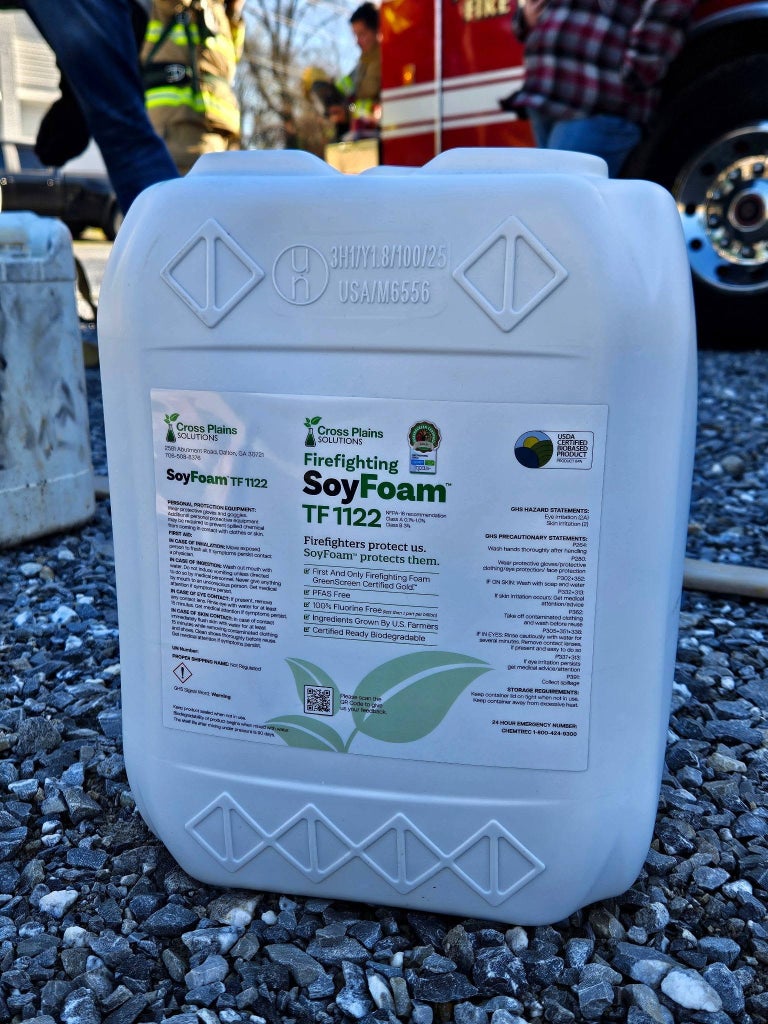
SoyFoam™ TF 1122 is a soy-based firefighting foam for Class A and B fires. Made with U.S. soy, it creates a full-circle connection: farmers grow the crop, innovation transforms it, and firefighters use it to protect farms and communities.
Jeff King, a Kentucky soybean farmer, assistant chief with Corydon Civil Defense Fire & Rescue and SoyFoam Solutions representative, brings both agricultural and fire-service experience to the product.
“I’m a fourth-generation soybean farmer. I’ve served in the volunteer fire service for 35 years,” King said.
When SoyFoam became available, King said the combination of agriculture and firefighting immediately caught his attention. After seeing the product perform, he brought it back to his department in northwest Kentucky, where he said it has been used for about two and a half years.
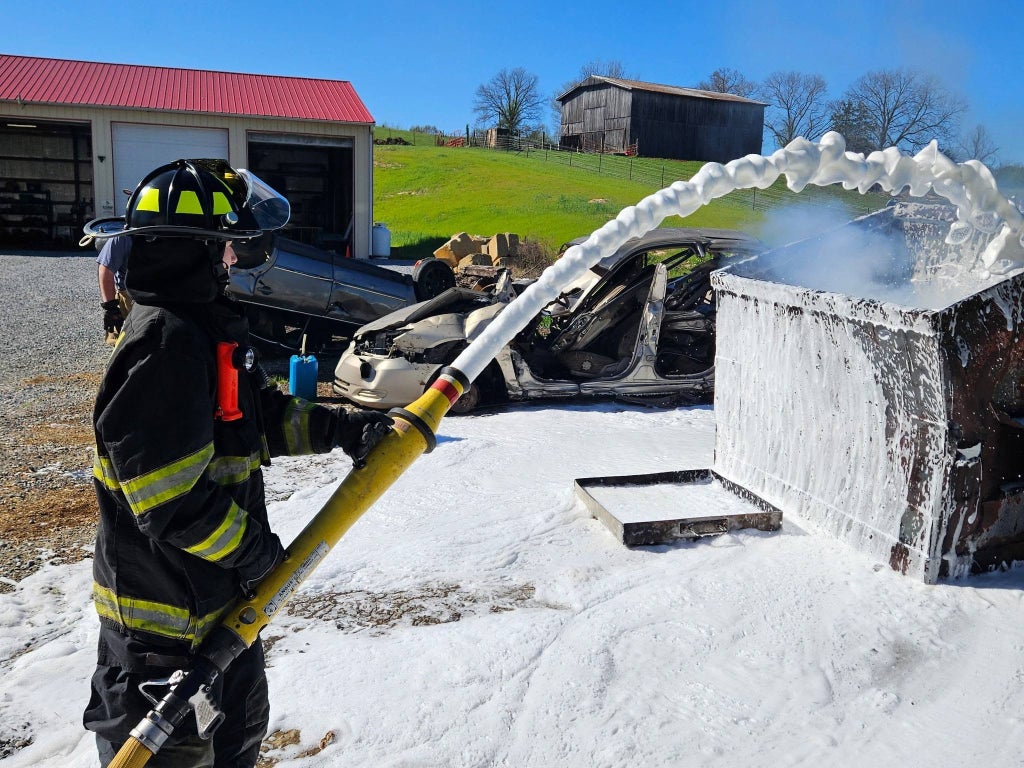
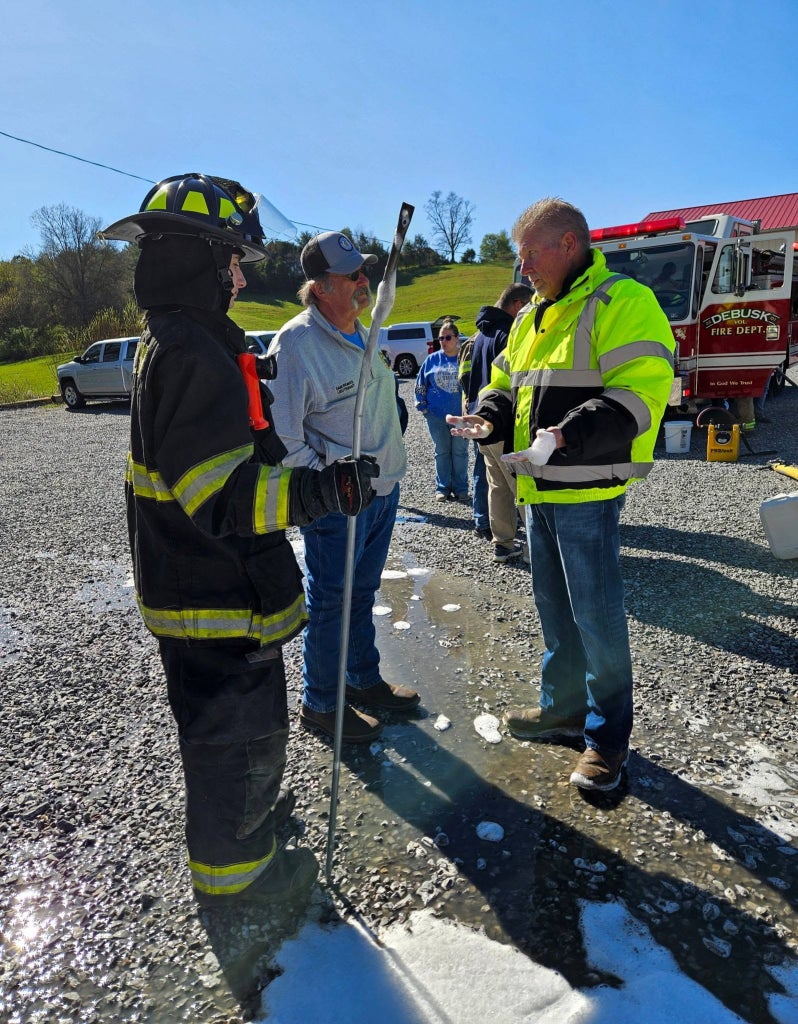
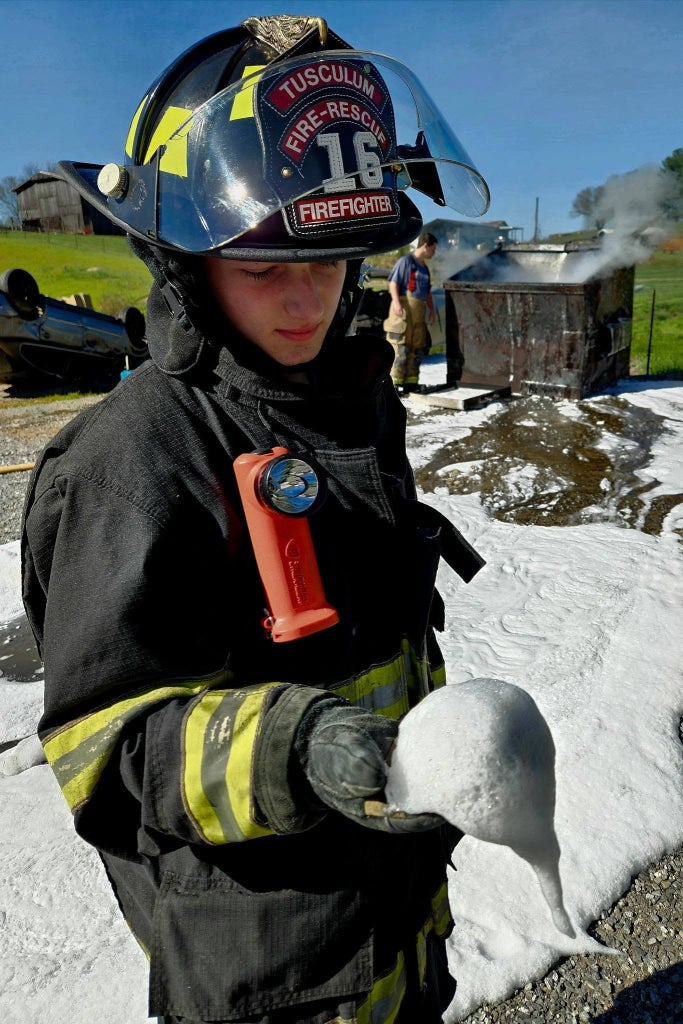
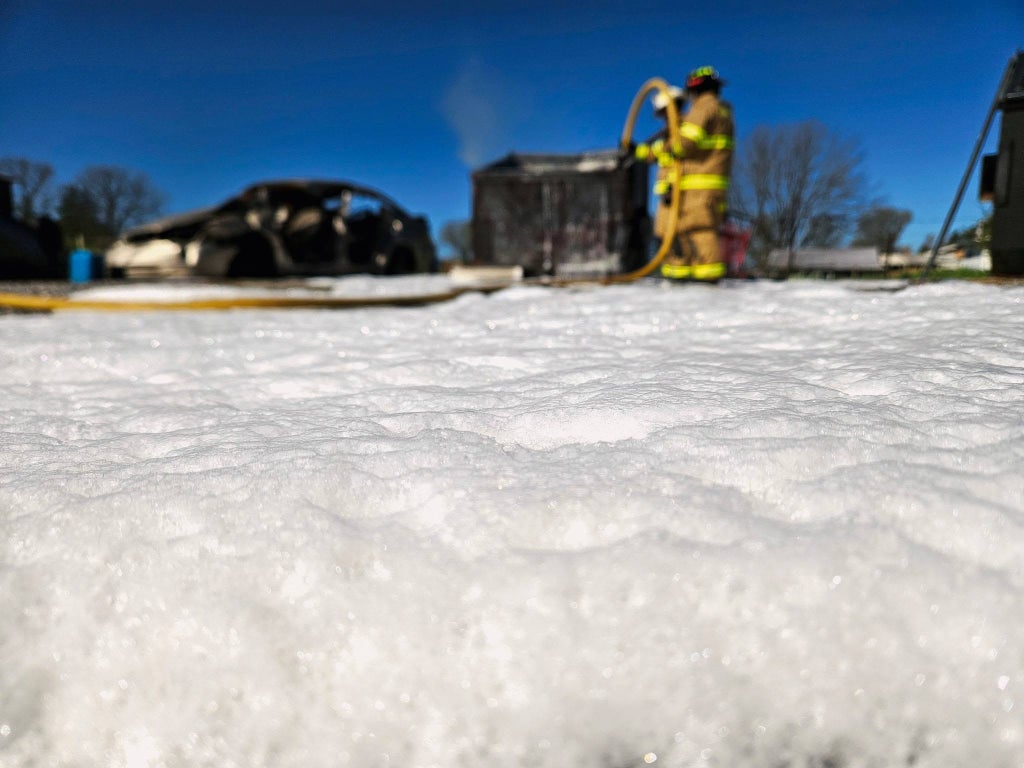
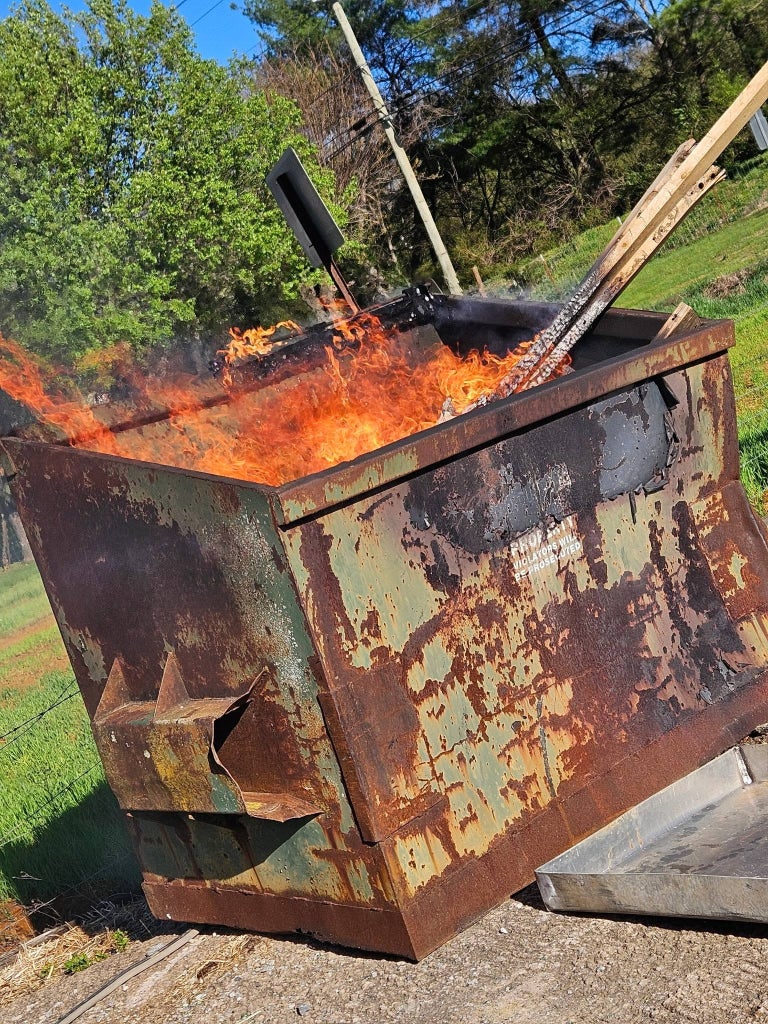
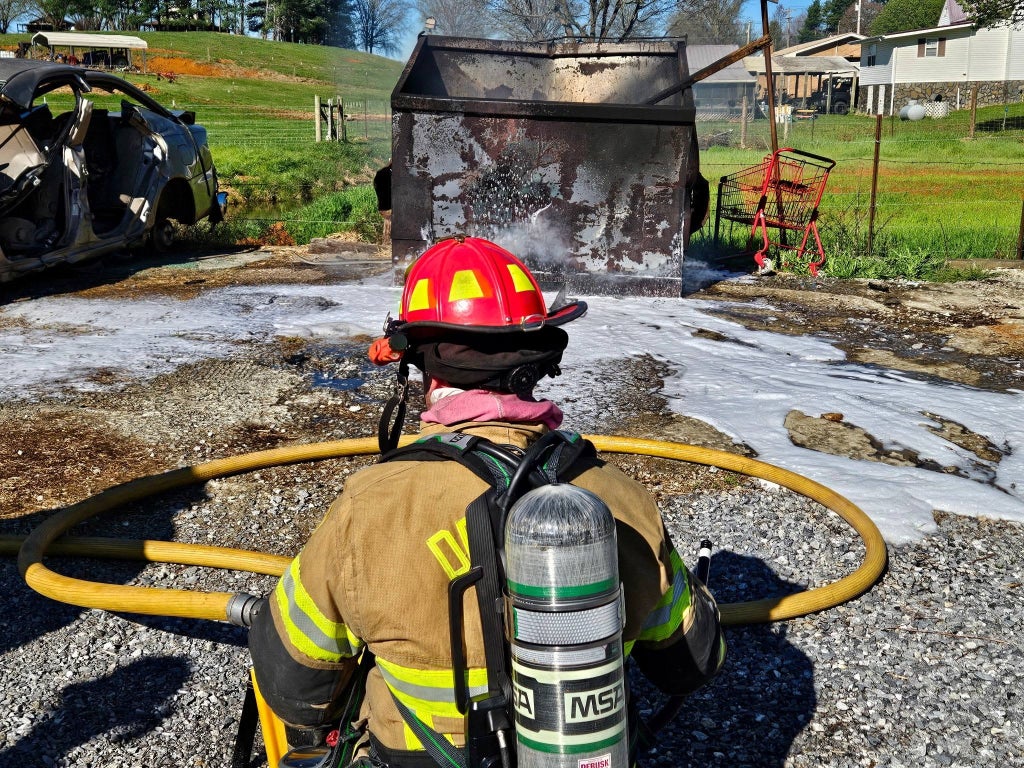
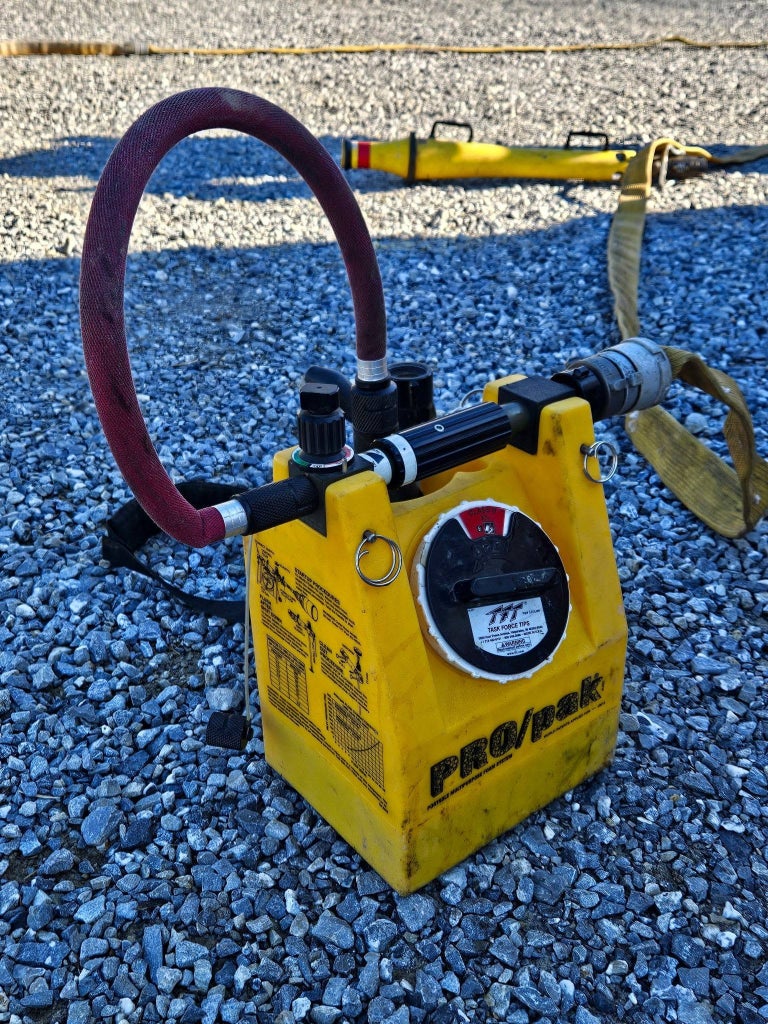
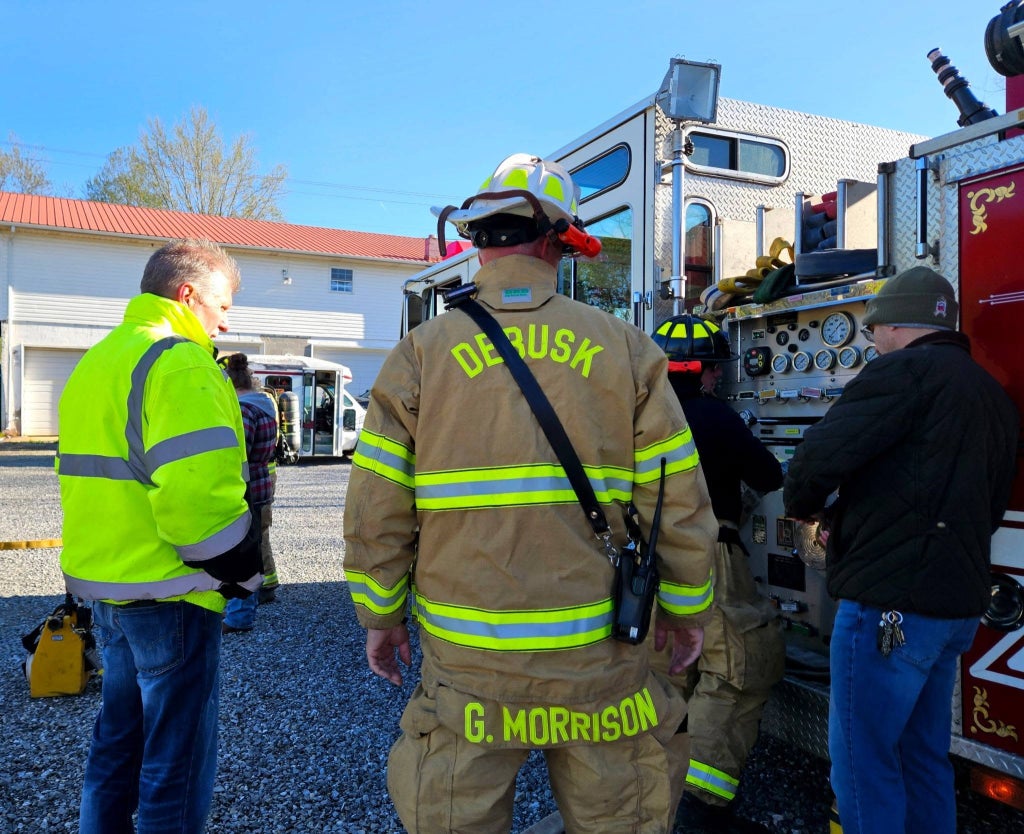
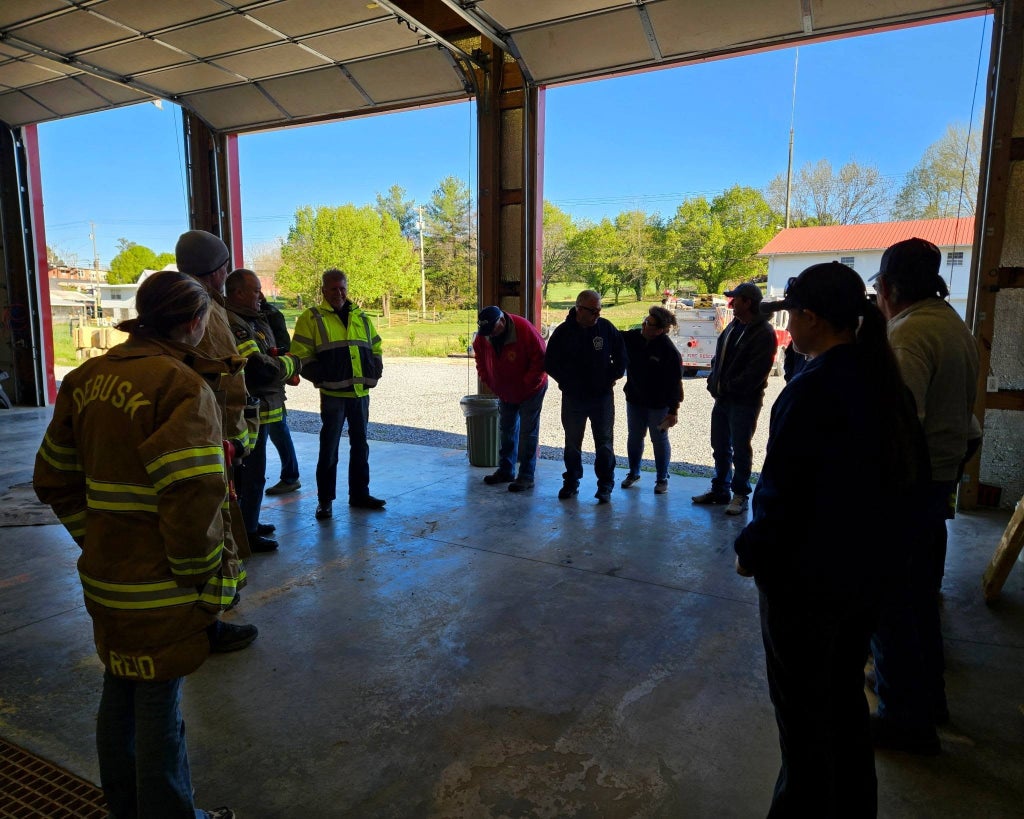
In March 2026, King brought a SoyFoam demonstration to Debusk Volunteer Fire Department in Greeneville, Tennessee, hosted by then-Chief Gary Morrison. Firefighters tested the foam with several types of nozzles and existing equipment.
For rural departments, King said one of the biggest advantages is water conservation.
“One of the neat things about this is it allows us to conserve water because water is one of our biggest supply issues out in the rural country area,” King said. “SoyFoam extends the life of our water, or it makes it go that much further.”
Morrison said the product performed well during the demonstration.
“I actually liked it,” Morrison said. “We had three different style nozzles. It actually worked pretty good.”
He also said the product appeared to offer benefits beyond fire suppression.
“It’s better for the environment than what we’ve had,” Morrison said, adding that he hoped it would “help our community and keep our members safer.”
The environmental connection matters to agriculture because some PFAS-containing firefighting foams can leave behind chemicals that stay in the environment. The International Agency for Research on Cancer classifies PFOA as cancer-causing and PFOS as possibly cancer-causing.
According to SoyFoam Solutions, SoyFoam TF 1122 is PFAS-free and readily biodegradable. The product has also earned GreenScreen Certified® Gold, a certification focused on products made without chemicals of high concern.
For agriculture, the story also goes beyond fire protection.
King said SoyFoam represents a new domestic use for soybeans at a time when growers are facing pressure from commodity prices and export markets.
Cross Plains Solutions estimates SoyFoam could use protein from 12 million bushels of soybeans, potentially creating additional demand for U.S. growers.
That creates a full-circle connection: agriculture produces the crop, innovation creates a new use for it, and firefighters can use that product to help protect farms, natural resources and rural communities.
It is agriculture helping agriculture.
From soybean fields to firegrounds, SoyFoam shows how agricultural innovation can appear where people least expect it — creating new possibilities for a crop while helping protect the communities that produced it.
For more information and footage from the demonstration, search “The Blue Jacket Way” on YouTube for “Soy Foam vs Fire | Real Farm Fire Training.”