Doing to Learn: Tackling the Mechanic Shortage Through Work-Based Learning
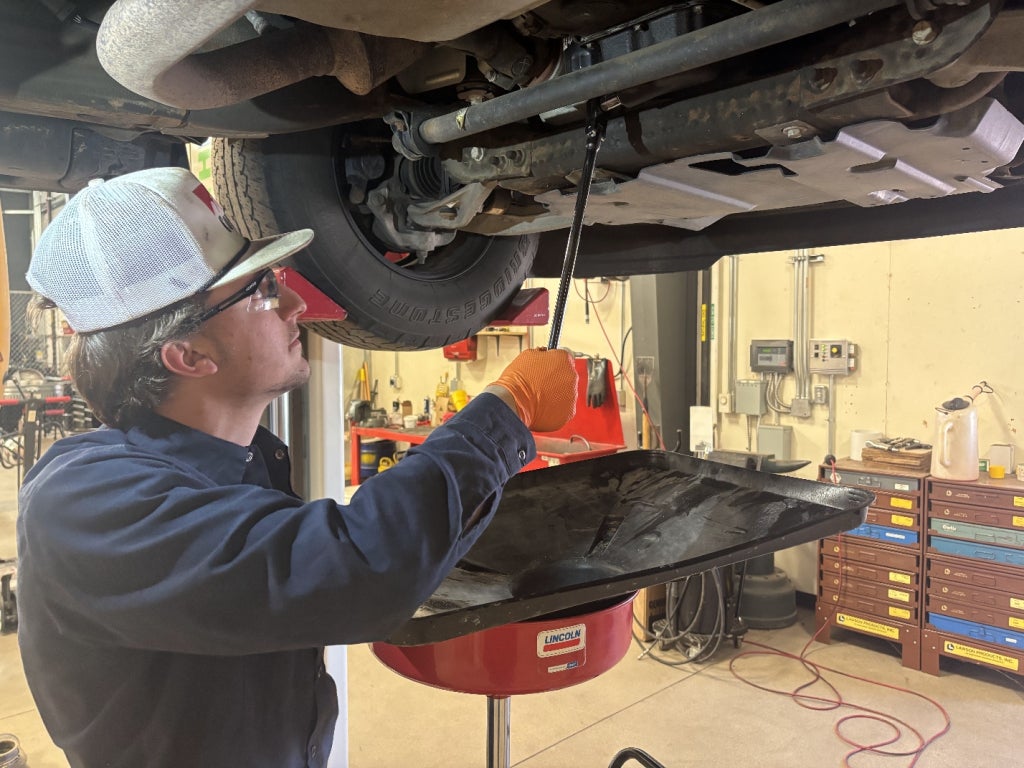
In technical or career-oriented education, nothing compares to the depth of hands-on learning. The Pedagogical Theory explains that while textbooks and lectures can be beneficial, they only provide base-level education compared to that of an in-person, hands-on atmosphere.
This stands true for Valley High School Senior Andrew Schmunk. Through-out his high school career, Schmunk worked toward a Career Academy program, an initiative through the local community college designed to bridge the gap between high school academics and trade-focused careers. By his senior year, Schmunk’s commitment saw him enrolled in the intense Automotive Technology pathway at Aims Community College.
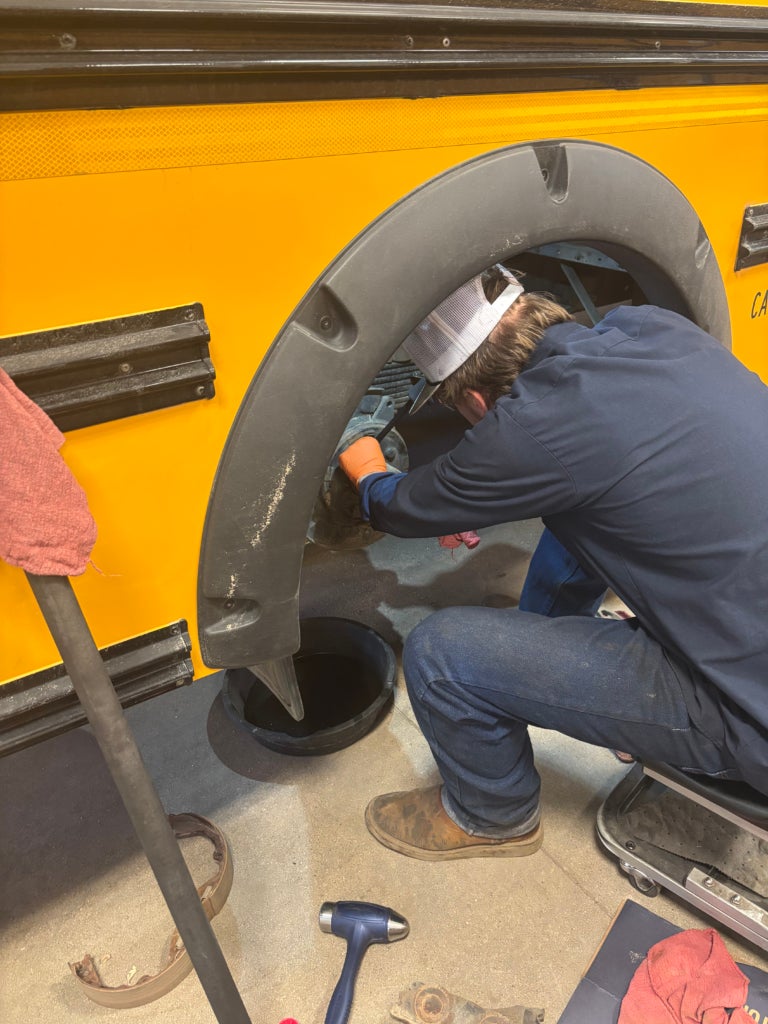
While Aims’ classroom and lab structured education provide a strong foundation for a future in the Automotive industry, Schmunk recognized that true mastery of any craft, but especially his, comes solely from the hands-on, unpredictable atmosphere of a live, functioning shop. He also recognized that the intricate pieces of the automotive industry cannot be fully or accurately replicated in a controlled classroom-like setting.
“Sometimes, sitting in a classroom isn’t the best way to learn,” he says. “There’s only so much you can absorb from a book, and it doesn’t even touch on everything you’ll need to know to be successful.”
Schmunk realized this environment would improve his practical skills and skill attainment, as well as help him develop a professional network in the industry he aspires to join. So, he sought out a work-based learning opportunity to complement his formal education.
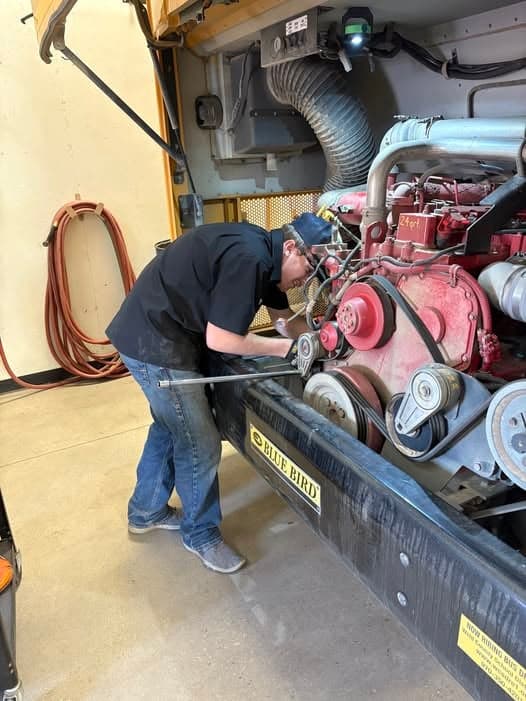
During the 2025-26 school year, Schmunk saw his ambition create a significant opportunity when he gained a position as an intern mechanic for the Weld County School District RE-1 Transportation Department. This role gave Schmunk the ability to move beyond the controlled nature of a school lab and into the high-responsibility task of maintaining and repairing the fleet that ensures student safety on a daily basis. Whether he is performing routine maintenance or more complex repairs, the high-stakes atmosphere of a live shop has continued to grow his technical abilities.
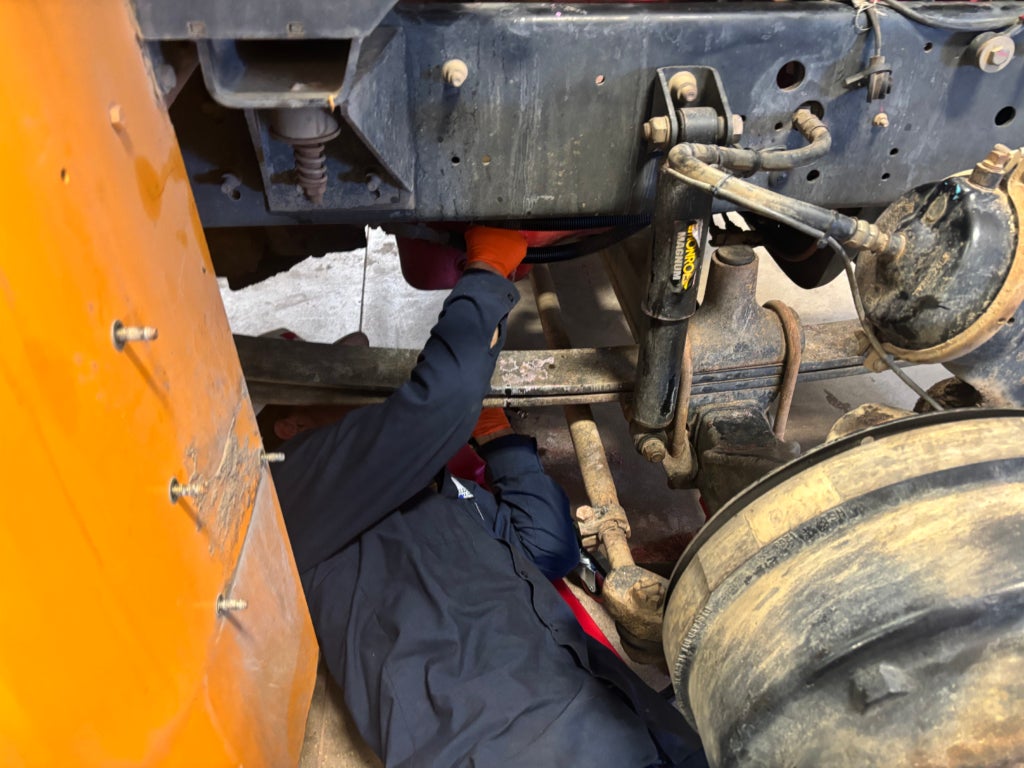
This transformative experience has done far more than just teach Schmunk how to perform various tasks; it has also fostered a sense of professionalism and a deeper understanding of the mechanical discipline required to keep a shop functioning properly. As he continues to prepare for a future career, the hands-on expertise Schmunk gained through this role will prove to be a great asset to him under whichever automotive umbrella he chooses to pursue.