Edmond FFA Members Combat Invasive Cedar Trees
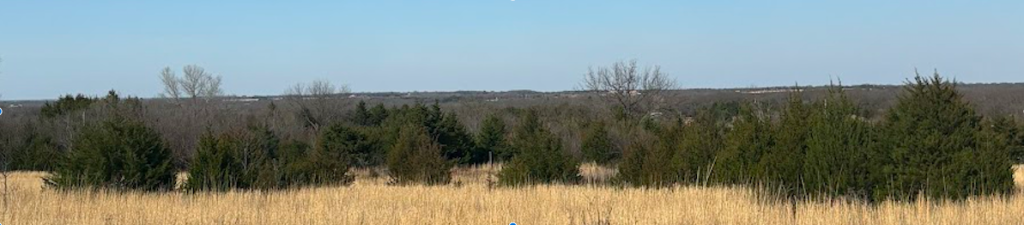
Above is pictured a common view in Oklahoma — cedar trees lining the fields. They are destroying the land needed for farming, both for livestock and horticulture.
Members of the Edmond FFA Chapter in central Oklahoma worked together to remove invasive cedar trees from Arcadia Lake in Arcadia. This project consisted of cutting down small trees in recreational areas that people visit, identifying cedars amongst other native grasses and plants, and raising awareness about how cedar trees are invasive in Oklahoma. People from across the state travel to the lake each year to fish, boat, and enjoy the outdoors, making conservation efforts like this especially important to maintaining the natural beauty of the area.
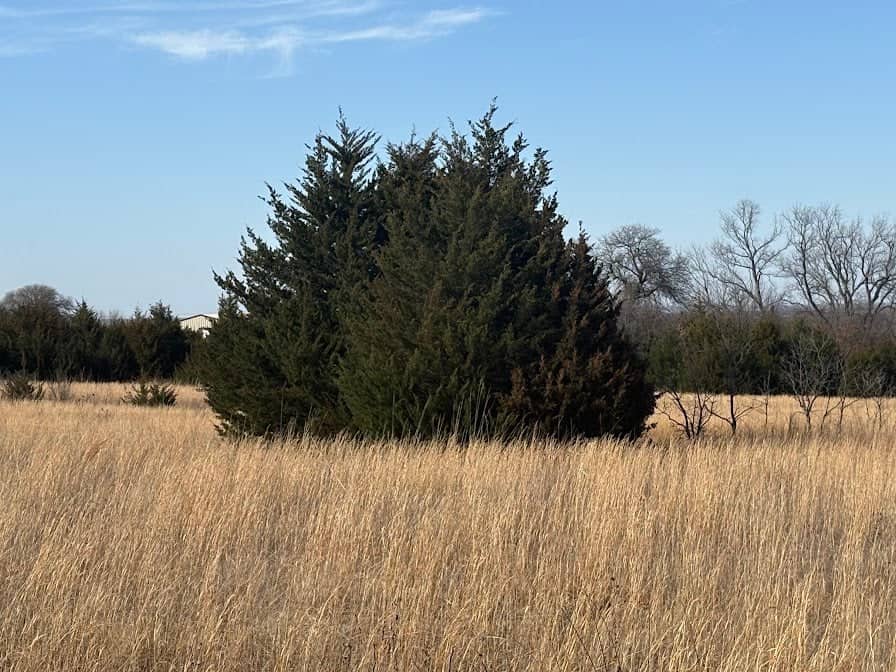
Cedar trees contain an oil-based sap, making them extremely flammable and contributing significantly to catastrophic wildfires in Oklahoma.
Students involved in the project gained hands-on conservation experience while also learning how invasive species can impact native ecosystems. By working directly alongside wildlife professionals, students were able to see how teamwork and environmental knowledge play a major role in protecting Oklahoma’s natural resources.
Senior Justin Love shared that the work was both rewarding and physically demanding. “We traveled to Arcadia Lake to help remove invasive cedar trees in the area,” Love said. “I helped cut down small trees and shrubs and also helped remove litter and trash from recreational areas that people visit.”
Love explained that the terrain and identifying the trees made the job more difficult than expected. “The most challenging part was traversing the land and maneuvering saws to cut down the brush, and identifying the cedars amongst other native grasses and plants,” he said.
Before participating in the project, Love said he had never realized how much of an impact cedar trees can have on the environment. “Working on this project changed the way I think, as I didn’t know before that cedar trees were invasive to Oklahoma, and that people use controlled fires to remove them from large areas,” Love said.
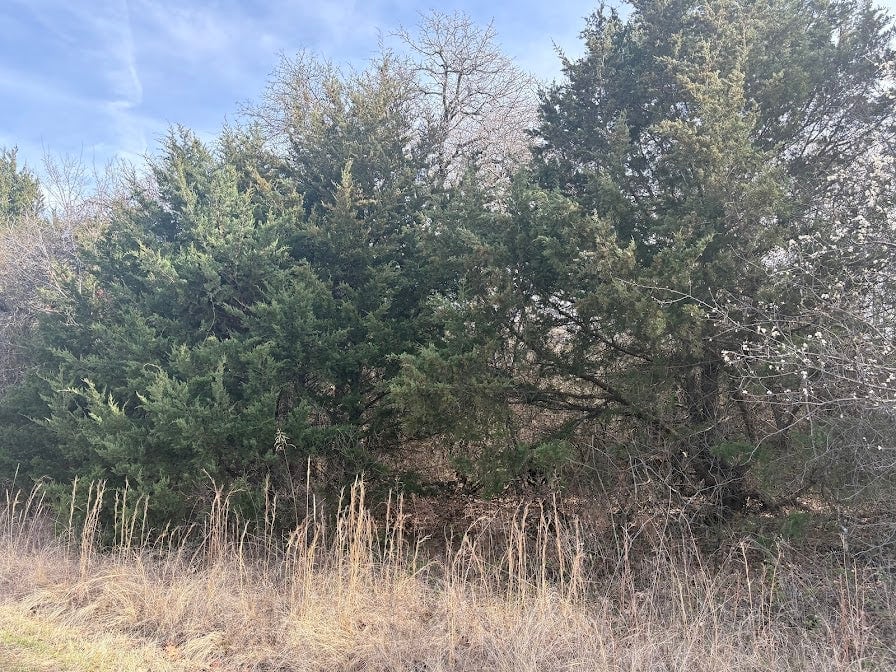
Cedar trees are invasive to Oklahoma and can “drink” up to 30 gallons of water a day from the land. During times of drought they can drain the land of water resources.
Another senior, Keagan Leonard, emphasized the importance of educating others about invasive species and their impact on the environment. “It’s important for students to speak up about environmental issues to help bring awareness to younger generations and inspire change in the upcoming years,” Leonard said. Leonard has already shared what he learned with others. “I’ve talked about it to my friends, and a lot of them had no clue and were interested to hear,” he said. “I was surprised to find how many invasive species there really are and how much they can affect every other species involved.”
Chance Kennedy, a senior, believes partnerships between students and conservation groups are beneficial for both sides. “It provides opportunities for student leadership, as well as establishing positive relationships with students and the community,” Kennedy said. Through projects like this, members of the Edmond FFA chapter not only helped improve the environment around Arcadia Lake but they also gained valuable lessons about conservation, teamwork and leadership that will benefit them far beyond the classroom.
More information about this invasive species in Oklahoma can be found on the Oklahoma Conservation website.