“Happy holidays” is a phrase we hear countless times throughout the holiday season while shopping at the grocery store, visiting friends, attending family events or simply greeting strangers. It’s a small phrase with a big purpose: to share warmth, joy and connection during the time of the year filled with celebrations, reflection and togetherness.
Across the country, and especially here in Wisconsin, the holidays are shaped by more than traditions, gatherings, gifts and festive activities. At the heart of nearly everything we enjoy this season is something often overlooked: agriculture. From the foods that anchor our celebrations to the decorations that brighten our homes, agriculture quietly supports holiday moments in ways many people never see.
This season, we’ll be exploring the Wisconsin-based businesses, growers, makers and agricultural traditions that help define the holidays. These are the people and places that bring comfort, flavor and meaning to the season, and their stories deserve to be celebrated.
Preparing for the Holiday Season
Behind every holiday tradition, there are months — even years — of prep from the businesses that make the season possible. For some, planning starts almost immediately after the previous year ends.
Cheese Brothers, located in Barron, Wis., is an artisan cheese company known for its delightful and quality cheese assortments and other delicious treats. For these owners, preparation begins the day after Christmas, wasting no time as they look ahead to next year’s rush. Because nearly half of their annual business happens in November and December, they make prep a year-round priority. From organizing inventory to coordinating with local businesses that supply high-quality and handmade jams, meats and other gift box items, their entire operation is shaped by the holiday season.
Cranberry growers operate on a different kind of schedule — one dictated by weather, plant health and the timing of harvest. For Amber Bristow, a fifth-generation Wisconsin cranberry grower and content creator known online as CranberryChats, holiday prep comes with humor and honesty. “I am a terrible procrastinator,” she says.
While promotional planning may wait until the last minute, in the marshes, the prep is far from last minute. As soon as harvest wraps up, usually in October, growers immediately shift their focus to protecting next year’s crop. They flood the beds with water, allow that water to freeze on top and drain the excess so that the ice can form a protective barrier over the plants. Even though holiday marketing might wait until later, winter prep work begins the moment the cranberries leave the vine
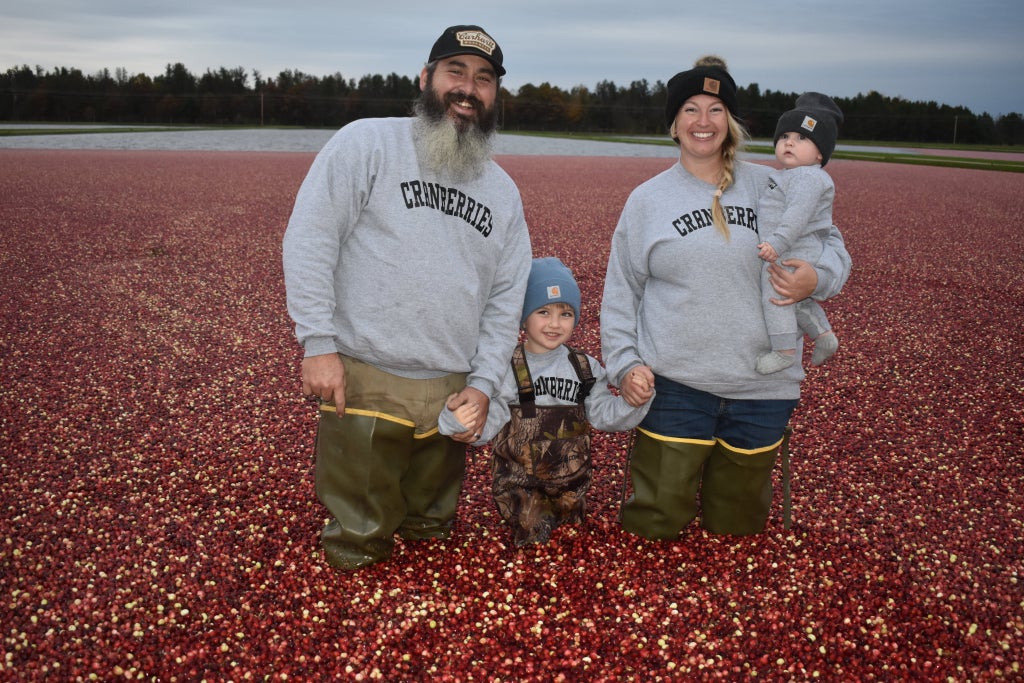
Amber Bristow and her family.
For Mickelson’s Tree Farm, located in Deer Park, Wis., prep for the holiday season begins long before winter arrives. Work in the fields starts in April and continues through November, with tasks like planting new trees, mowing, fertilizing, spraying and shaping existing trees. Trees take several years to grow before they are ready to sell, meaning growers must plan seasons far in advance. By fall, attention goes to supplies and getting the farm ready for customers.
At the same time, Bergmann’s Greenhouse, located in Clayton, Wis., begins holiday prep in the early fall by ordering supplies and organizing materials for wreaths, porch pots and poinsettias. Climate control, staffing and production schedules must all be carefully timed to make sure products are ready by December.
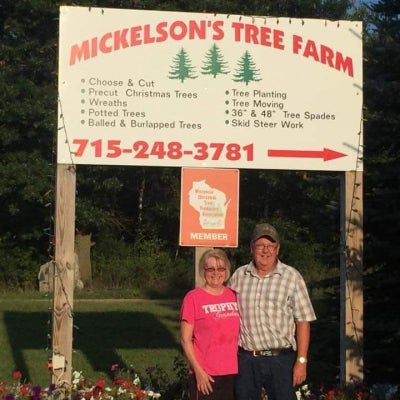
Larry and Laura Mickelson.
Challenges of the Season
While consumers enjoy the festivities of the holidays, businesses go through a whirlwind of challenges behind the scenes. For cranberry growers, the biggest challenge after harvest is the weather. Extremely cold temperatures, harsh winds and fluctuating conditions can threaten the delicate buds that will soon become the next year’s cranberries. Flooding and freezing the marshes is essential, but timing and temperature must cooperate. At the same time, cranberry growers face economic and logistic pressures, protecting an entire year’s future crop in a matter of days.
Cheese Brothers, like many other Wisconsin businesses, face their own seasonal obstacles. Their challenge isn’t weather, but space. Due to the demand in November and December, their warehouse and production areas reach capacity. Despite expanding into larger facilities over the years, they still find themselves “scrambling for more storage and production space” each December. Managing staffing, inventory and customer service during this spike requires great coordination and a strong team.
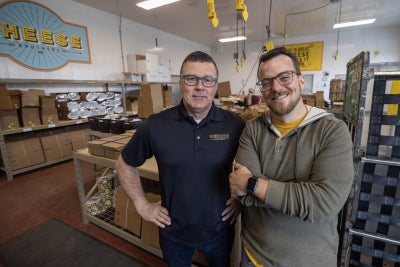
Eric and Gene, owners of Cheese Brothers.
Christmas tree farms and greenhouses face their own seasonal challenges. At Mickelson’s Tree Farm, weather is the biggest obstacle, with rain, snow and muddy conditions affecting both harvesting and customer traffic. Drought has also caused tree supply shortages in recent years, making inventory management more difficult.
Bergmann’s Greenhouse faces challenges related to timing and labor, especially when producing large quantities of wreaths and greenery in a short window. Weather can also affect customer flow, forcing the business to adjust hours and staffing while still meeting holiday demand.
Why These Products Matter During the Holidays
Holiday foods and decorations hold emotional value that goes far beyond their physical form. Cranberries, for example, have become a symbol of the season. Because fresh cranberries are only available in stores for a short time after harvest, their presence signals the arrival of Thanksgiving and Christmas. Bristow noted that many families in their customer base buy extra bags to freeze so they can enjoy cranberry recipes all year, a tradition that keeps the fruit tied strongly to the holidays.
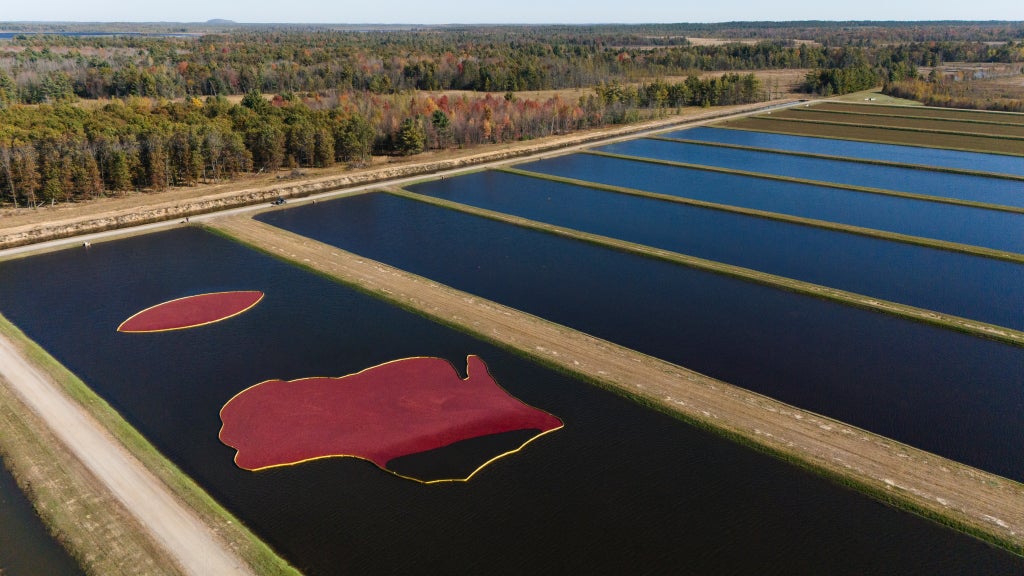
The Bristow Family’s cranberry bogs at harvest.
Cheese has also become a beloved part of not only Wisconsin, but also winter celebrations. Cheese Brothers explained that Wisconsin cheese carries a sense of authenticity, comfort and connection to small family farms. It’s indulgent, nostalgic and meaningful — all qualities that make it a perfect holiday treat or gift. People aren’t just buying cheese; they’re buying a product that reminds them of tradition, craftsmanship and community.
Real Christmas trees and poinsettias also hold strong emotional meaning during the holiday season. Mickelson’s Tree Farm believes Christmas trees are meaningful because they represent tradition, family gatherings and authenticity. Customers value real trees for their scent, appearance and the experience of selecting one together.
Poinsettias also play an important role in holiday decor, especially in homes, churches and community spaces. At Bergmann’s Greenhouse, poinsettias and handmade greenery help customers create a festive atmosphere that symbolizes celebration, warmth and togetherness.
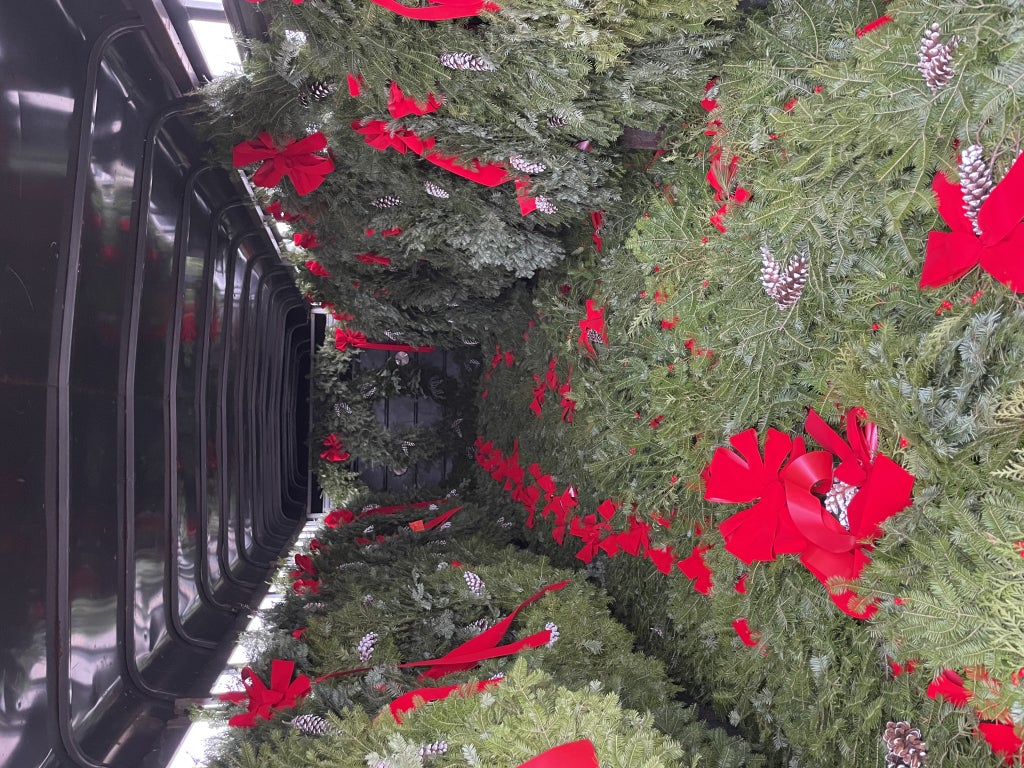
Bergmann’s Greenhouse wreaths are made in house and by hand.
Maintaining Quality During the Busiest Weeks
Maintaining product quality during the peak of the holiday season requires careful timing and precise attention to detail. For cranberry growers, quality protection begins the moment the berries leave the marsh. Bristow described how fresh fruit is transported immediately to an Ocean Spray processing plant, where it is washed, sorted and cooled within 48 hours. This ensures the cranberries stay fresh for holiday meals, baking and seasonal products.
At Cheese Brothers, quality is maintained not only through production practices, but through customer experience. They intentionally keep their customer service in house, hiring people who reflect their values and care deeply about the work. During the busiest weeks of the year, they believe the positive energy and teamwork behind the scenes directly influence the care customers feel when they open a Cheese Brothers package.
Maintaining quality during peak season is essential for both tree farms and greenhouses. Mickelson’s Tree Farm focuses on producing high-quality trees throughout the year, so customers receive fresh, healthy trees during December. Regular shearing and maintenance help ensure consistency. At Bergmann’s Greenhouse, quality is maintained through hands-on production. Wreaths and porch pots are made on site, allowing staff to closely monitor freshness and appearance. Poinsettias are sourced from trusted growers and inspected to ensure they meet quality standards before being sold.
Holiday Season Impact on Annual Business
The holiday season shapes each agricultural operation differently. For cranberry growers who are part of the Ocean Spray cooperative, holiday sales don’t directly change their income because all fruit is pooled and paid out based on total grower production. The demand for fresh cranberries peaks in November and December, making the holiday season the most visible time of year for their product.
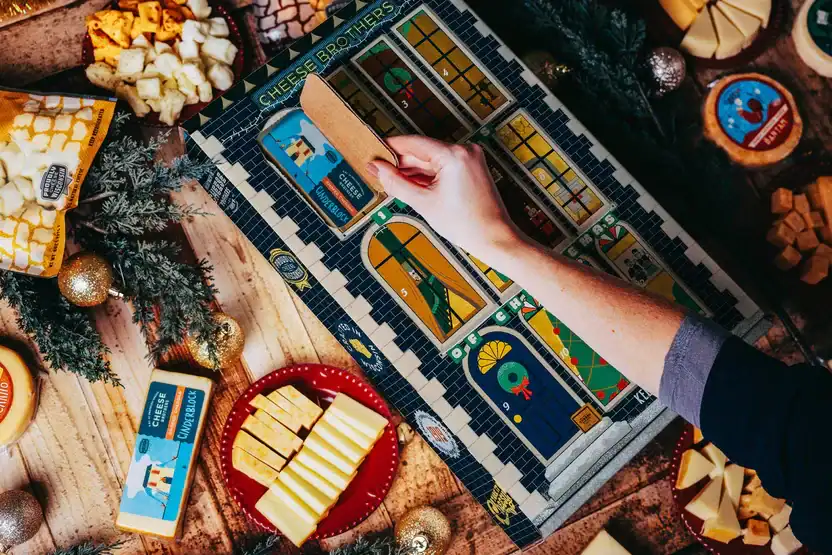
For Cheese Brothers, the holiday season is everything. They describe November and December as the months that “make or break” their entire year. While they pay the bills between January and October, it’s holiday orders that truly determine their success. The high volume of gift boxes, advent calendars and online orders means the company leans on this season to sustain its business model.
For Mickelson’s Tree Farm, the holiday season is the primary source of income, especially since the retirement of owners Larry and Laura Mickelson.The success of December sales directly affects the rest of the year. Bergmann’s Greenhouse also relies on the holiday season as the final major sales period before transitioning into spring planning. While not as busy as the spring season, holiday greenery and poinsettia sales help close out the year and support prep for the next growing season.
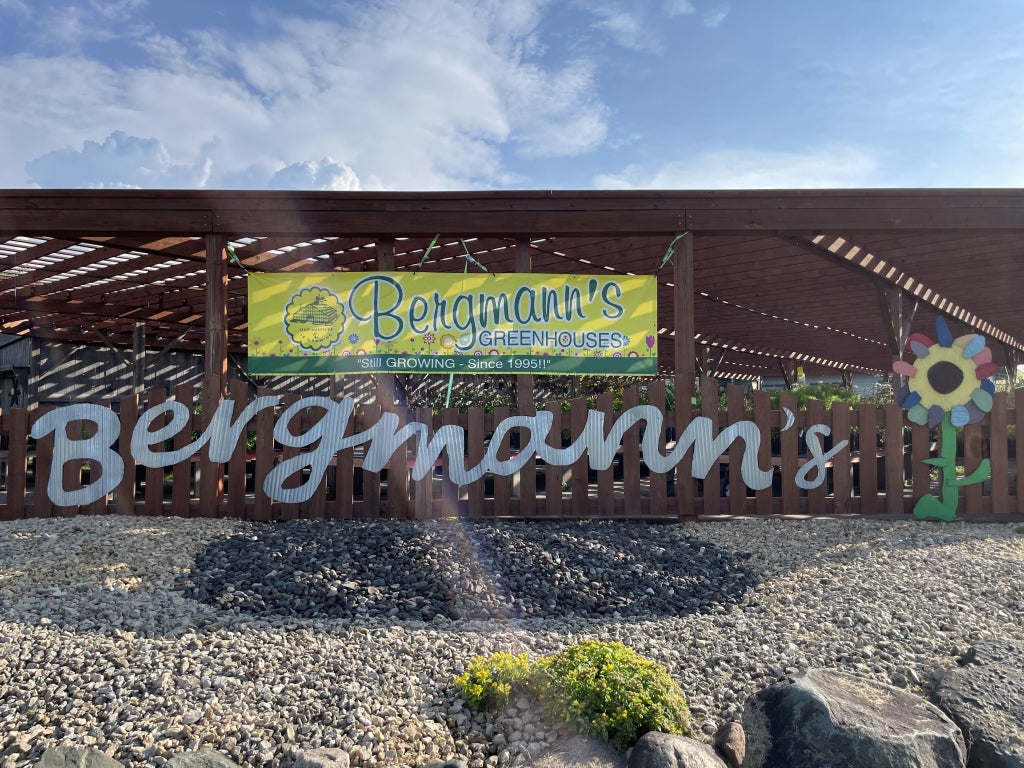
Bergmann’s Greenhouse.
Customer Base and Shifting Buying Habits
Wisconsin businesses reach a wide customer base, especially during the holiday months. Cranberries appeal to all kinds of people, Bristow explained, due to their health benefits and seasonal relevance. Their customer base spans all ages and backgrounds, for the purpose of being both traditional and nutritional.
Cheese Brothers described their main holiday audience as nationwide, diverse and most commonly women over 40, many of whom purchase cheese as gifts or as part of holiday hosting. Buying habits have shifted significantly since 2020; the pandemic normalized ordering perishable goods online, and consumers have continued embracing mail order artisan foods ever since. This shift has created stronger interest in products, earlier purchasing trends, preorders and direct-to-door shipping.
Mickelson’s Tree Farm serves customers primarily from Wisconsin and Minnesota, many of whom return each year as part of a family tradition. The farm has noticed customers buying trees earlier in the season. Bergmann’s Greenhouse attracts customers from a wide geographic area. They have seen an increase in early ordering and online sales, while still serving loyal last-minute shoppers looking for holiday gifts or decor.
Trends Noticed in 2024–25
Trends across Wisconsin’s holiday products continued to evolve in 2024–25. Cranberry growers noticed strong demand for fresh fruit during the holidays and a rising popularity of cranberry juice during cold and flu season, boosted further because of a viral TikTok trend during COVID that pushed juice sales. Customers are increasingly exploring cranberry uses beyond sauce, which includes things like baking, beverages and year-round recipes that Bristow promotes on social media.
Cheese Brothers observed another trend: an increase in specialty and artisan cheese sales. Consumers are no longer satisfied with generic, shelf-stable cheese assortments; instead, they prefer high-quality, unique products presented in creative ways. The company’s fastest-selling item in 2025 was its 12 Days of Cheesemas Advent Calendar, reflecting a larger movement toward novelty gifts, experience-based products and items with deep local authenticity.
At Mickelson’s Tree Farm, Fraser firs continue to be the most popular variety, often called the “Cadillac” of Christmas trees because of their needle retention and durability. While no major new trends were noted, demand remains strong for high-quality, long-lasting trees.
Bergmann’s Greenhouse has noticed steady interest in wreaths, porch pots and holiday greenery, with customer preferences continuing to change year to year. Shoppers are increasingly drawn to locally made decor and meaningful holiday displays.
Marketing Approaches
Holiday marketing requires creativity, consistency and community connection. Cranberry growers who market directly to consumers rely heavily on recipe content, seasonal inspiration and social media to show that cranberries can be enjoyed all year, not just during Thanksgiving. Bristow focuses on sharing cooking ideas, encouraging customers to freeze berries to extend their availability into spring and summer.
Cheese Brothers uses a diverse strategy that includes digital advertising on Facebook and Google, complemented by direct mail campaigns. Their products also benefit from collaborations with other small Wisconsin businesses, since all the meats, jams, mustards and sweets included in their gift boxes come from local partners. This collaboration not only strengthens local economies, but reinforces the message that their gifts represent genuine Wisconsin craftsmanship.
Mickelson’s Tree Farm markets its business through the Wisconsin and Minnesota Christmas Tree Associations and on Facebook, using these platforms to share availability, hours and holiday activities. Bergmann’s Greenhouse relies heavily on community connections and partnerships. They work with Scout troops, baseball associations and music boosters to support fundraising efforts, which also helps promote their products. Word-of-mouth and repeat customers also play a major role in holiday marketing for both businesses.
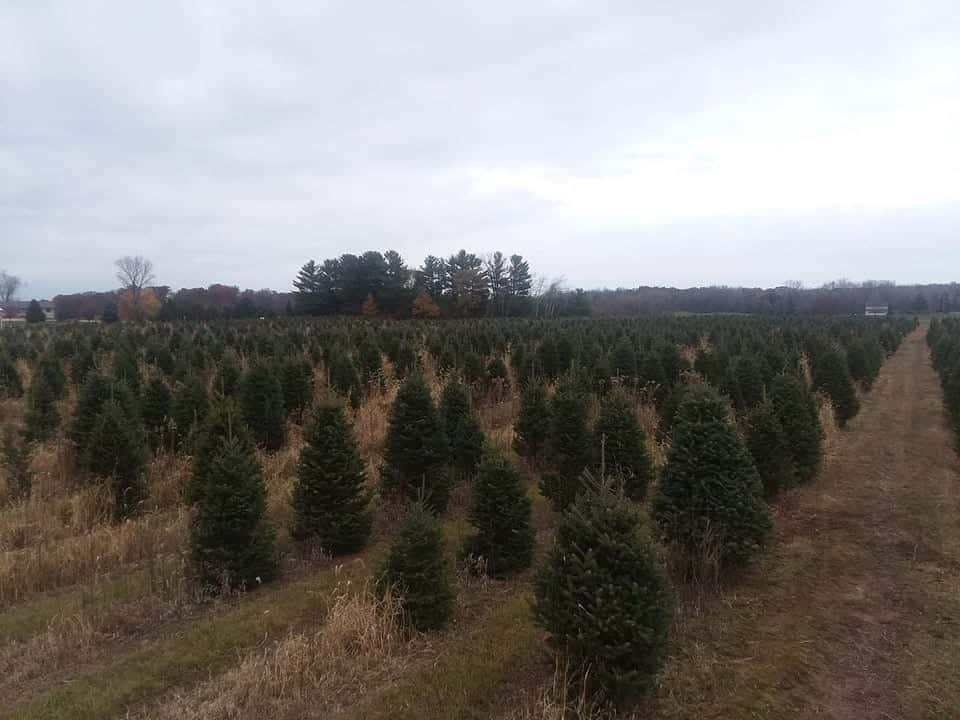
Mickelson’s Tree Farm.