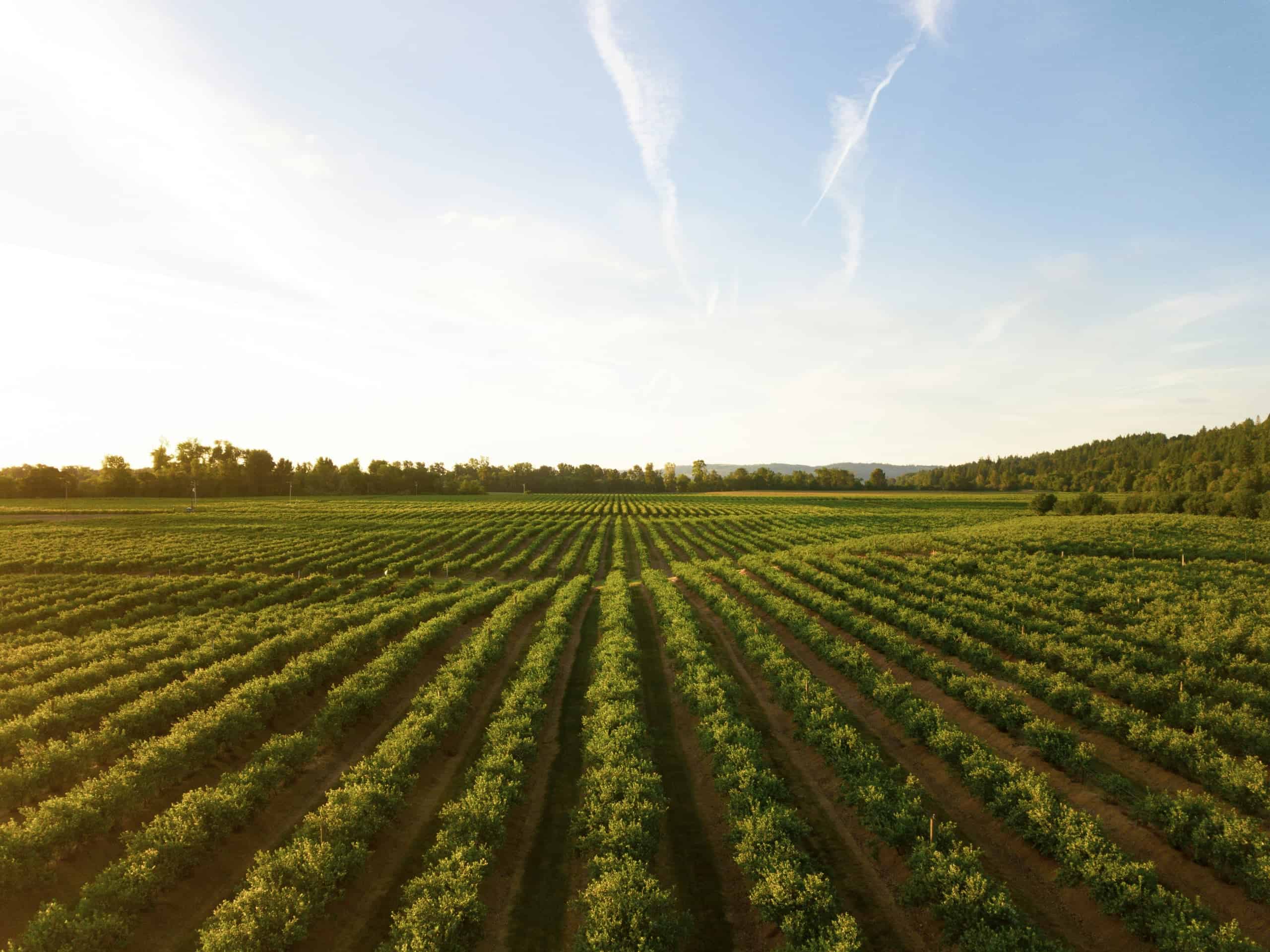
From the cornfields of Iowa to the vegetable farms of California, farmers are asking a new question every day: Can sustainable practices truly meet national food demands? This is a question that has taken on an ever-increasing urgency as climate change, soil degradation and resource scarcity put pressure on U.S. food production. Rather than a simple dichotomy between “sustainable” and “productive,” the evidence suggests sustainable agriculture can help feed a nation. Still, success depends deeply on how it is implemented, measured, and supported by science and, most of all, policies.
What is sustainability?
Sustainable agriculture encompasses a range of practices designed specifically to maintain or even enhance productivity over time while reducing environmental harm. Techniques such as crop rotation, cover cropping, conservation tillage, precision nutrient and water management, and integrated pest management aim not to diminish output but to improve soil health, reduce input waste, and increase resilience to environmental stressors. These practices align with broader goals of systems that deliver yields while protecting natural resources.
What does research say?
Scientific research increasingly supports the idea that sustainable practices can maintain or even enhance productivity over time. A comprehensive analysis of diversified agricultural systems and practices, such as intercropping and organic amendments, can sustain yields while boosting profitability and ecosystem services over decades of implementation. The U.S. Department of Agriculture also highlights the importance of “sustainable agriculture productivity growth,” not just raw yield increases, but productive systems that conserve natural resources and support long-term food and nutrition needs. USDA
Saying that, some well-studied sustainable practices present challenges. For example, research examining cover crops across many U.S. Midwest fields found that average corn yields were about 5.5% lower and soybean yields about 3.5% lower where cover crops were used compared with similar fields without them. A broader satellite-based analysis recorded modest yield declines for soybeans and corn that had recently adopted a cover crop, while also noting potential benefits in risk reduction under certain conditions. These findings underscore that even beneficial practices can have their downsides depending on crop, climate, and timing.
Climate change effects
It is also important to recognize the broader pressures on agricultural productivity. Climate change is already affecting yields of key crops globally, and some studies suggest that even with adaptation, warming could reduce yields of staples like maize and soy by notable margins in the coming decades.
What sustainable agriculture needs
Supporting sustainable agriculture at a national scale requires policy, investment and research. Continued innovation, from precision agriculture technologies to biologically informed crop management, can enhance productivity while reducing reliance on synthetic inputs. Federal and state conservation programs, technical assistance, and incentives help farmers adopt sustainable practices tailored to their operations.
In conclusion, sustainable agriculture can contribute meaningfully to national food security. It is most effective when applied with a context-specific understanding, backed by data and supportive policy frameworks. Instead of framing sustainability and productivity as opposites, policymakers and farmers are increasingly finding that resilient food systems are built on practices that sustain both yields and the land they depend on.