Built by Students, Powered by Purpose: The Fauquier FFA Chapter’s Trip Bopp Farm
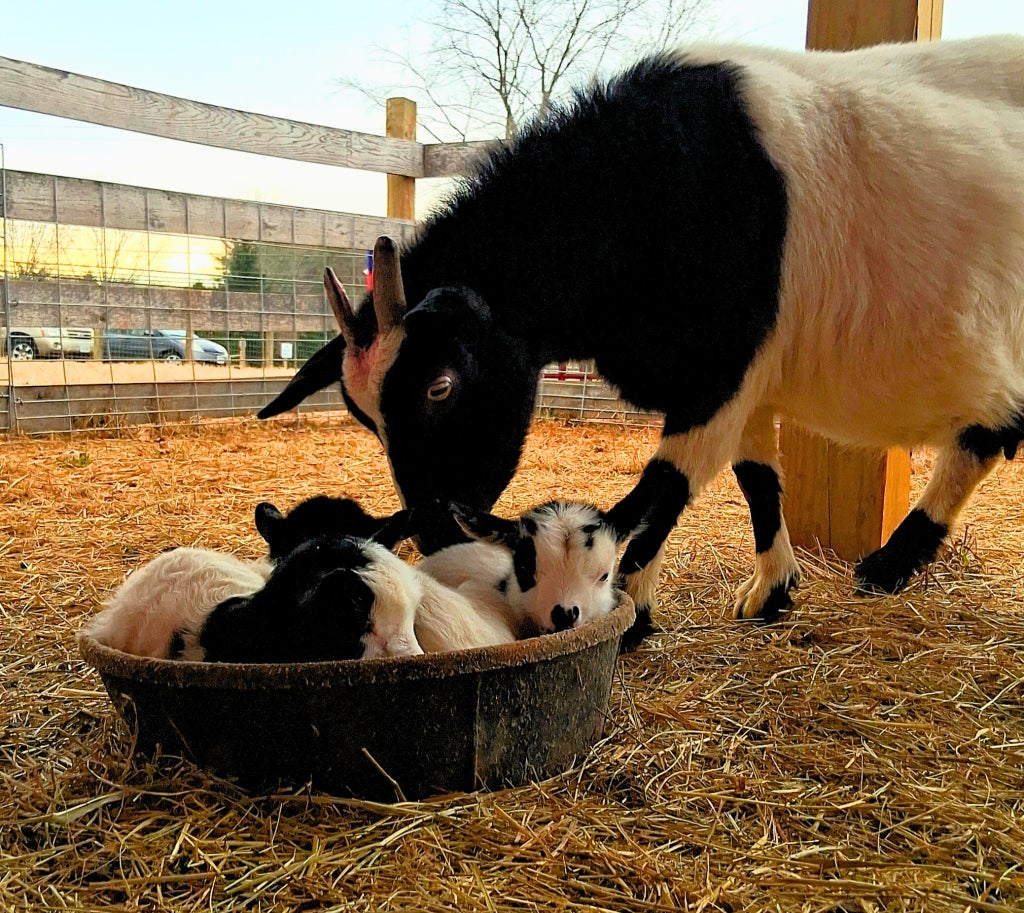
Three of Fauquier FFA Trip Bopp Farm’s newborn goats and their mama, only a couple of many.
For many students at Fauquier High School in Virginia, agriculture is no longer something learned solely from a textbook; it is experienced firsthand. Through feeding livestock before class, building fences alongside classmates and watching lessons from the classroom take shape in the field, Fauquier FFA is giving members a true farming experience. At the center of that experience is the Trip Bopp Farm, a student-built, student-run facility that is redefining agricultural education.
The roots of the Trip Bopp Farm trace back to 2016, when the Fauquier High School agriculture program began raising chickens and selling eggs. As the school’s agricultural education courses began to grow in popularity, teachers recognized a growing challenge: only 5-10% of their students lived on farms, leaving most without access to hands-on agricultural experiences at home. The traditional Supervised Agricultural Experience model, once effective when many students had agricultural backgrounds, was no longer sufficient for a largely suburban student population. The solution was clear: bring the farm to the students.
That vision became a reality in 2023 through an outpouring of community support. The family of a former student and farmer, Charles ‘Trip’ Bopp III, who was lost to a senseless act of violence, led fundraising efforts to build a school farm in their son’s name. Funded entirely through donations, with no government spending involved, the Trip Bopp Farm now stands as both a memorial and a living classroom.
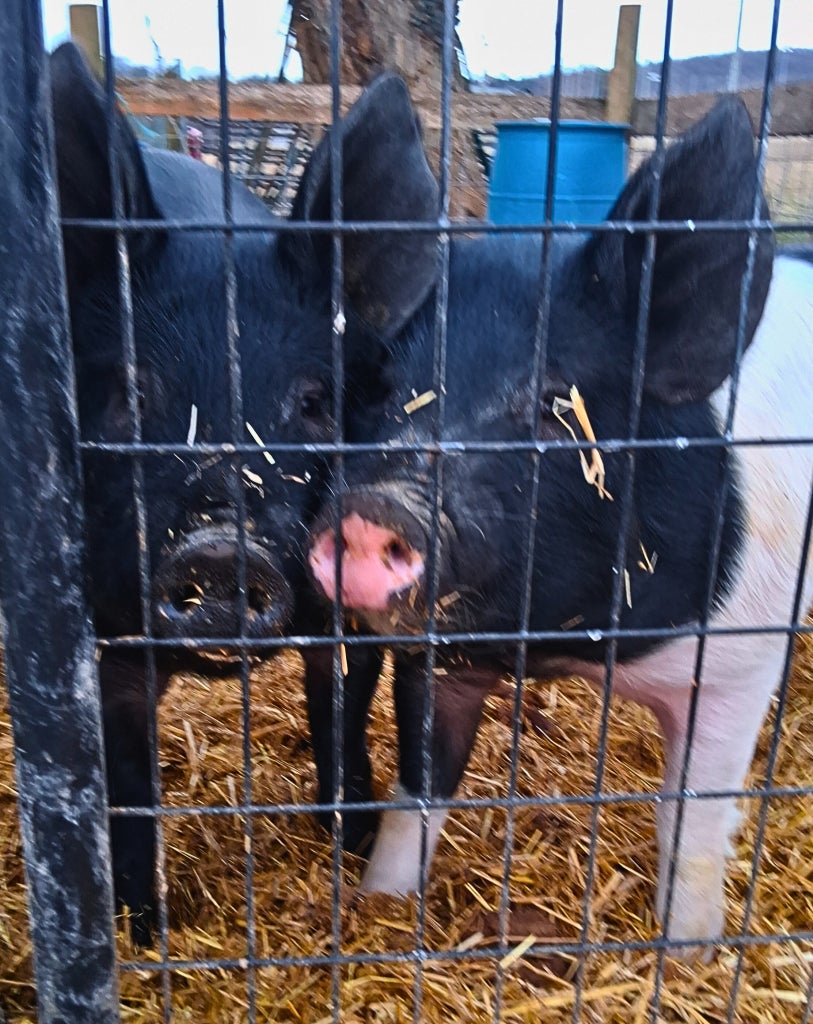
Two of the Fauquier FFA Chapter’s pigs, which students are responsible for managing.
Student involvement drives the daily success of the farm. In a typical class period, students may spend an hour or so in the classroom, with the remaining time focused on hands-on animal and farm care. Students feed and water animals, manage bedding and provide daily care, while also taking part in major construction efforts. Over the past several years, students have built a pole barn, pig pen, multiple chicken coops and more than 1,200 feet of livestock fencing. They are also involved in decision making, ranging from selecting livestock breeds to choosing crop varieties to grow and market.
Through their work at the Trip Bopp Farm, students gain practical, career-ready skills that extend far beyond the school day. These include operating tractors and farm equipment, constructing agricultural structures, incubating eggs, milking animals, managing irrigation systems and safely processing farm products. Each course has its designated assignments and responsibilities in regards to the farm. Students who learn about the estrous cycle in class go on to use CIDRs to breed goats out of season. Those who study plant pruning take responsibility for maintaining brambles on the farm’s fruit hillside. By connecting instruction directly to application, the farm reinforces understanding and builds confidence through experience.
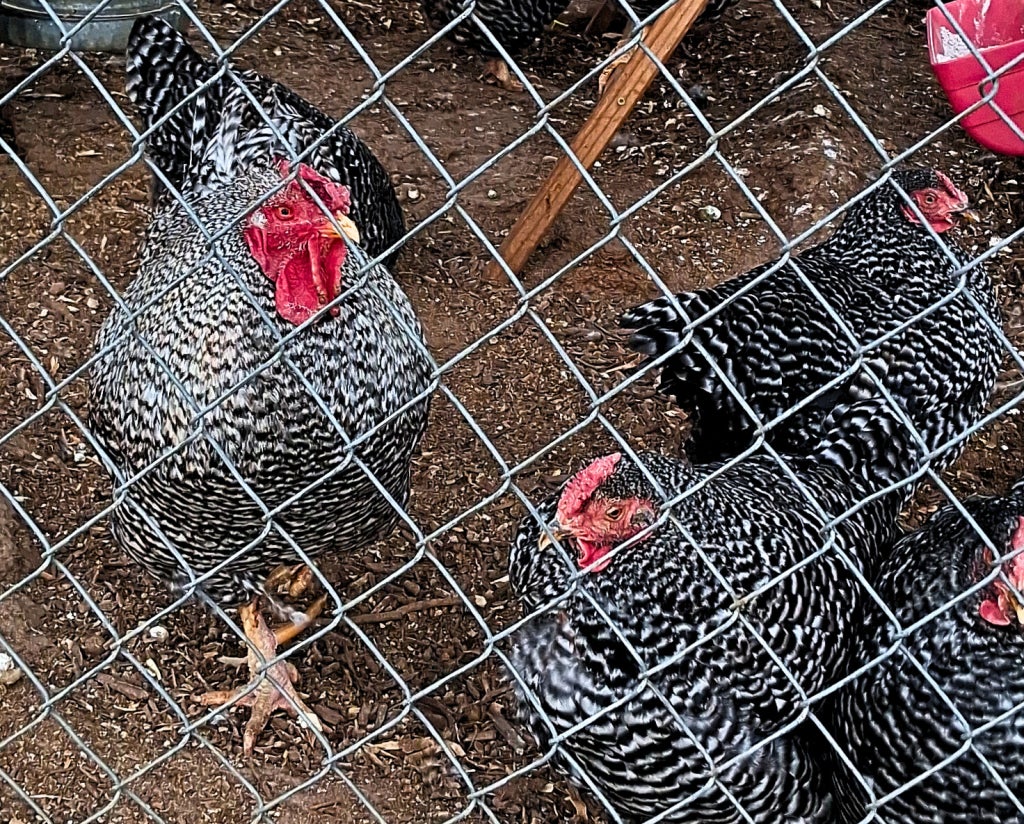
Chickens in one of several school coops.
Despite being a relatively new facility, the Trip Bopp Farm supports a wide range of agricultural enterprises. These include hatchery and pullet operations with four breeds of chickens, a layer operation, meat goats, feeder hogs, occasional dairy goats, a commercial vegetable garden, a small fruit hillside, a greenhouse and a perennial nursery. In addition, it also serves as an outreach center, hosting fourth grade students for Food for America programs and welcoming local 4-H clubs. These efforts help strengthen community ties while introducing younger students to agriculture.
What makes the Trip Bopp Farm most meaningful is its impact. Built and run by students, it has provided several hundred young people with hands-on agricultural experiences they otherwise would not have had. More than just a facility, the farm represents opportunity, community and the enduring value of experiential learning in agricultural education.
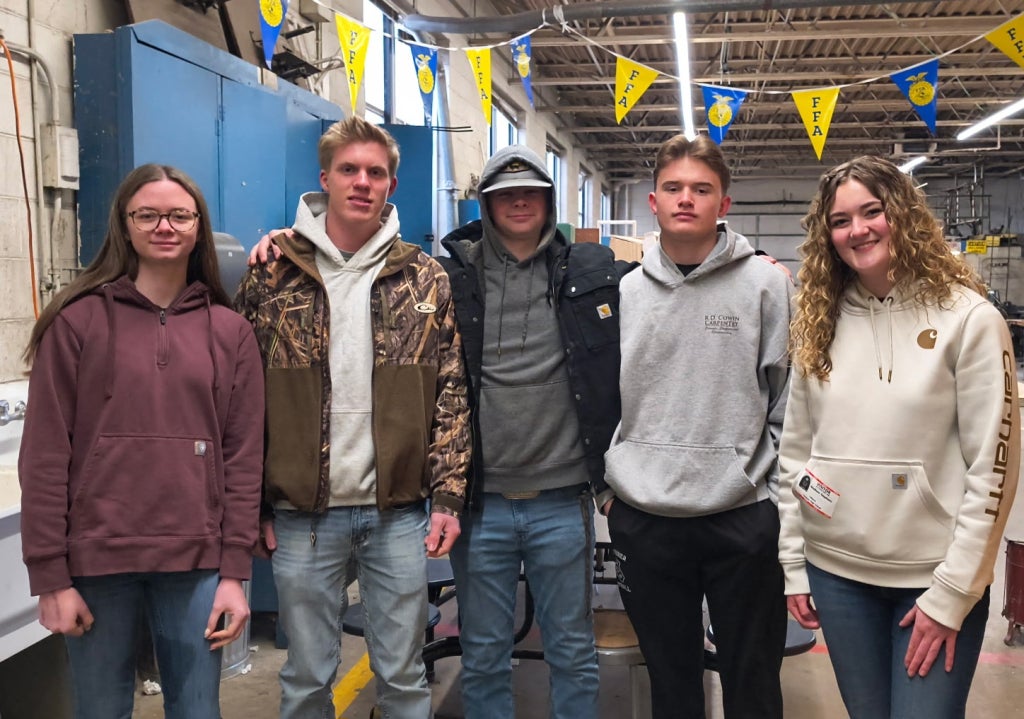
Fauquier FFA Vice President Emma Fleming (left), Culpeper County FFA in the USA Reporter Madison Stephens (right) and members of Mrs. Hilleary’s Ag Mechanics 3 class.