Ag Access For All: TTAC’s Take On Industry Inclusion
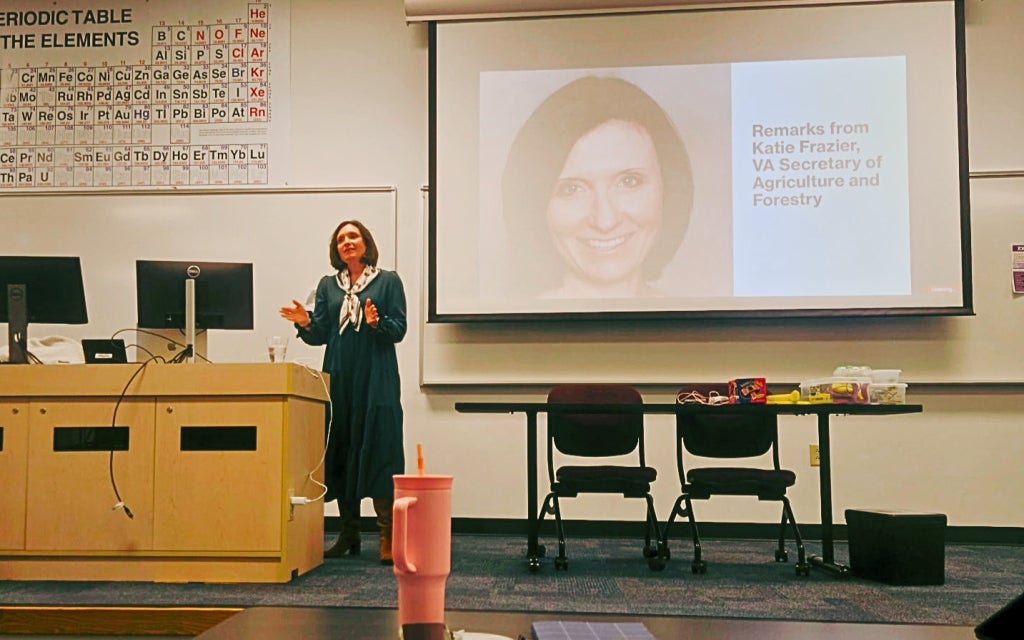
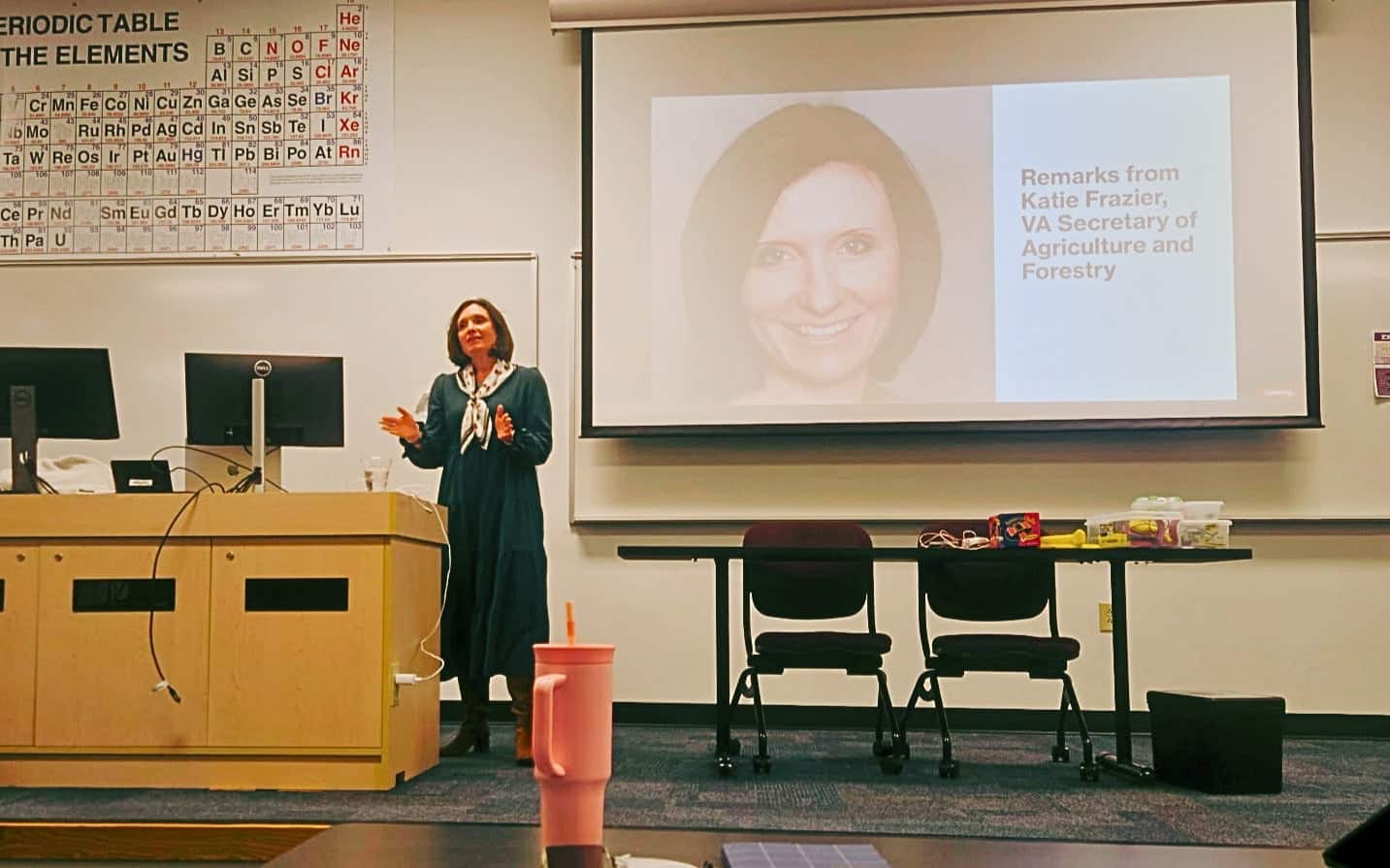
Virginia Secretary of Agriculture and Forestry Katie Fraizer discusses the importance of increasing access to education in the agriculture field.
Across the United States, nearly 1 in 6 students receive special education services, yet many of these students remain underrepresented in career and technical education programs, including agriculture. As agricultural education continues to emphasize hands-on learning and real-world skill development, a critical question emerges: Who has access to these opportunities, and who is being left out?
Agricultural education has the potential to reach a wide range of learners. Its applied, experiential nature makes it especially effective for students who thrive outside of traditional classroom settings. However, without intentional efforts to ensure accessibility, some students may never fully experience what these programs have to offer.
That is where recent efforts, such as a training hosted by the Virginia Department of Education’s Region 5 Training and Technical Assistance Center (TTAC) at James Madison University, are beginning to make a difference. While TTAC supports accessibility across all areas of education, this training, in honor of Ag Literacy Week, focused specifically on how agricultural education can serve as a powerful, inclusive space for career exploration and skill-building. The event brought together agriculture educators, special education teachers, and instructional leaders to explore how collaboration and intentional design can expand access for all students.
For Meg Druga, a TTAC representative and former FFA officer, the importance of this work is both professional and personal. Reflecting on her time in agricultural education, she shared her belief that FFA and agricultural education should be available to everyone, regardless of ability level. “FFA gave me the leadership skills and confidence that continue to shape my work today. As a special educator, I believe all students should have access to those same opportunities, and it’s our responsibility to remove barriers so they can fully engage if they choose to.”
Her perspective highlights a key truth: Agricultural education is not just about content; it is about opportunity. Agriculture programs expose students to a wide range of career pathways while helping them develop independence, responsibility and confidence. As Druga explained, “Agricultural education offers meaningful, hands-on learning and opens doors to a wide range of career pathways. Ensuring accessibility allows all students, including those with disabilities, to explore these opportunities.”
One of the most valuable takeaways from the TTAC training is that creating accessible programs does not always require large-scale changes. Often, it begins with small, intentional strategies that make participation possible for more students. Throughout the workshop, educators explored the use of universal communication supports, such as core boards with commonly used agriculture vocabulary. These supports allow students with communication challenges to engage more fully in classroom discussions, lab activities, and FFA events, transforming potential barriers into meaningful points of access.
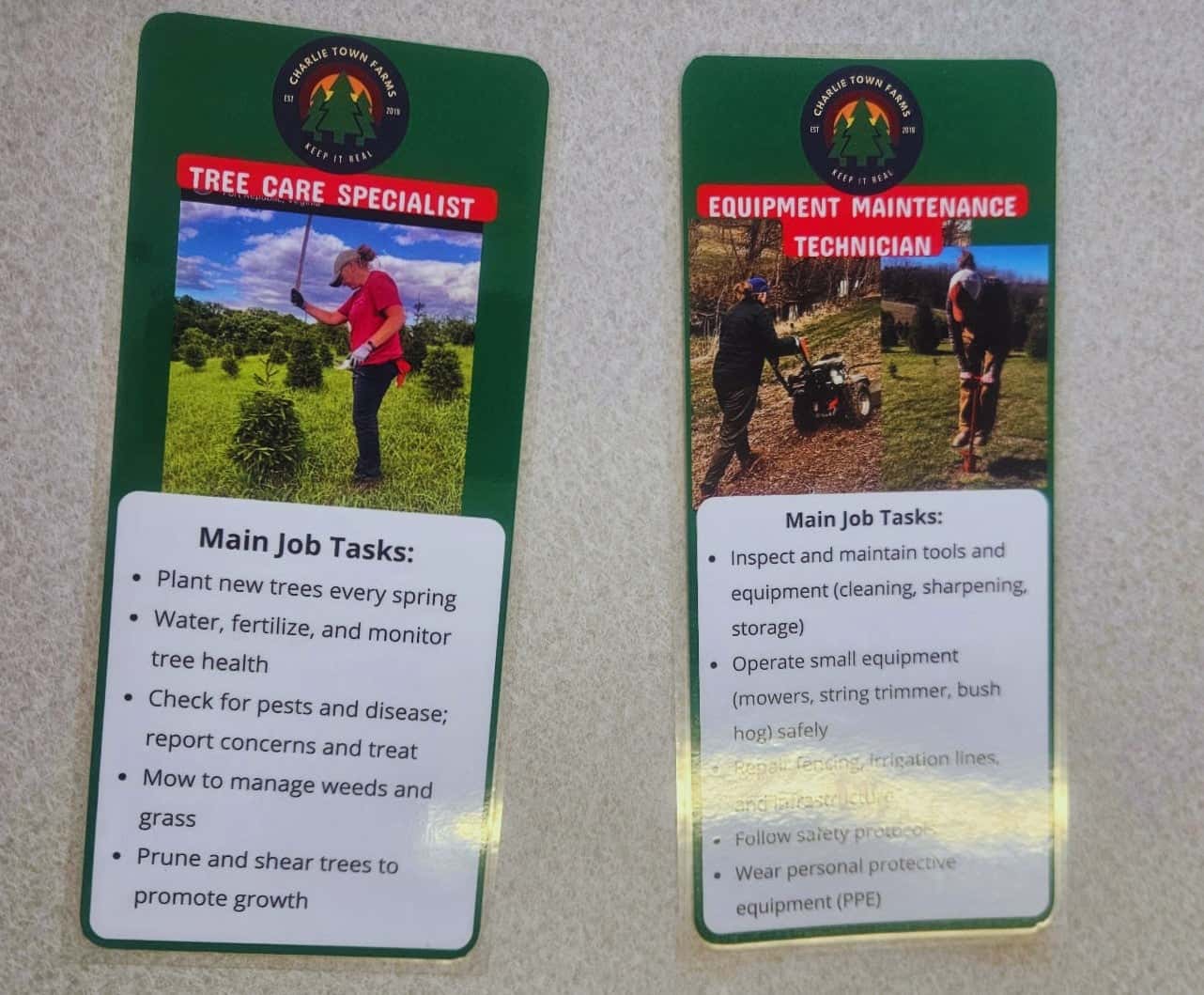
Educators were presented with cards defining roles and responsibilities in agriculture-related fields.
The training also emphasized the importance of collaboration between agriculture educators and special educators. By working together, professionals can design lessons and experiences that maintain the integrity of agricultural content while meeting diverse learning needs. This collaborative approach not only benefits students of varying ability levels but also strengthens the learning environment for all students.
The impact of this work extends beyond the classroom and into statewide priorities. Virginia Secretary of Agriculture Katie Frazier emphasized that expanding access to agricultural education is directly tied to workforce development, noting that agriculture “touches so many sectors, including technology, science, business, natural resources, skilled trades and so much more.” She highlighted the importance of ensuring these pathways are inclusive, adding that agriculture “can and should be both a context for inclusive career awareness and work-based learning, and an option for all students and our future workforce.”
Despite these advancements, misconceptions about accessibility still persist. One of the most common is the belief that the barriers are simply too great to overcome, a mindset that can limit progress before it even begins. “Sometimes that mindset can prevent us from even trying. I hope this training helped educators begin to reframe those challenges and begin seeing them as opportunities for problem-solving,” Druga noted in an interview.
As agricultural education continues to grow, so does its responsibility to serve all students. Accessibility is not an added feature; it is an essential component of effective education. Through initiatives like TTAC’s training and the continued collaboration of educators across disciplines, agriculture programs are becoming more inclusive, more innovative and more impactful.
Ensuring “ag access for all” is not just a goal, it is a commitment to making sure every student has the opportunity to learn, lead and succeed in agricultural education.