Rooted in Knowledge: The Importance of Ag Education
Agricultural education in Georgia isn’t just a class — it’s a lifelong line that connects students to the world they thrive in. In a state where agriculture is the number-one industry, teaching young people about food production, natural resources, and community leadership becomes more important every year. Many students across Georgia may not realize it, but agriculture touches everything they do, from the food they eat to the jobs their communities rely on. That’s exactly why agricultural education matters now more than ever: it keeps students rooted in knowledge that supports their future in any way.
Agricultural education gives students the understanding they need to make sense of the world around them — especially within their own communities. Without it, many young people would grow up never knowing where their food comes from, how it’s grown, or why it matters. This isn’t acceptable, because it leaves students unaware of what they put into their bodies every day. But in classrooms across the state — including my own school, Washington-Wilkes — students are learning the truth behind the meals on their tables and the crops in the fields around them. Agricultural education takes information that most people overlook and turns it into a fun, meaningful, and welcoming environment where students feel connected to what’s going on around them.
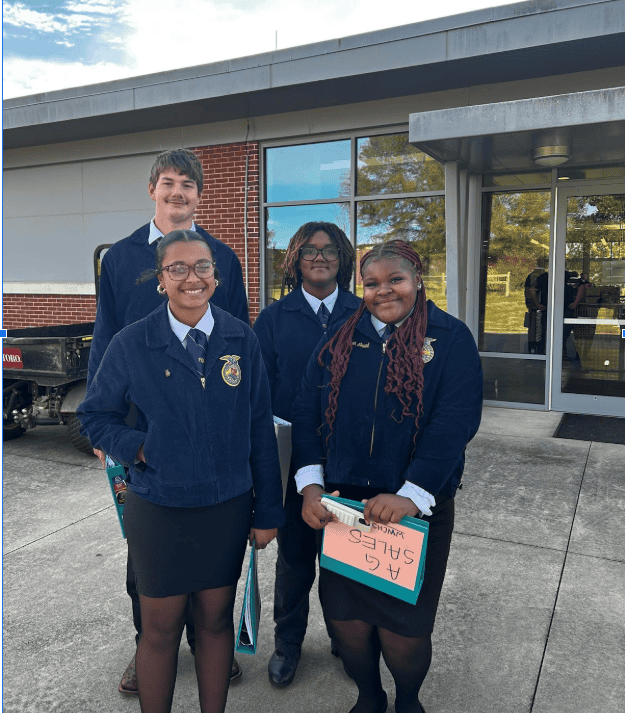
Agricultural education also teaches young people skills that last far beyond the blue jacket. Students take on responsibility through their Supervised Agricultural Experiences (SAEs), where success depends entirely on their effort. They grow as leaders by stepping up in FFA events, speaking in front of others, and learning how to work together as a team. They experience real-life problem-solving opportunities, learn how to communicate with others, how to execute their time management professionally, and they obtain confidence while doing it — these skills they will carry with them long after high school, no matter the career path they choose to go down. Whether a student chooses agriculture, healthcare, business, engineering, or something they haven’t even imagined yet, agricultural education prepares them for life, not just one industry.
These skills are especially important for Georgia’s youth. As the agricultural world becomes more advanced, our state depends on young people who understand technology, sustainability and conservation. Whether a student dreams of being a chef, a scientist, or a nurse, agricultural education gives them a strong foundation to build upon. And in small communities like Washington-Wilkes, where agriculture is part of daily life, these lessons hit even closer to home.
Most importantly, agricultural education builds stronger communities. When students learn how food is grown, how land is cared for, and how service connects us all, they become more aware of the world around them. They develop pride in Georgia’s largest industry and see how they can make a difference — through one SAE, one idea, or one act of leadership at a time. Agricultural education gives every student the chance to grow into someone who not only understands their community but also wants to improve it.
Agricultural education is not just about teaching facts; it’s about preparing our future. It shapes the students who will one day lead our communities, support our food systems, and keep Georgia moving toward the future. From rural counties like mine to busy cities across the world, the need for strong ag programs continues to grow because agriculture connects every part of life — whether people realize it or not. As long as students keep learning, leading, and serving through agricultural education and FFA, Georgia’s future will stay bright, resilient, and full of opportunity.