Winning the War on Soil Erosion
Imagine a barren landscape where wind-blown stones roll past rusted cars and the sun beats down on soil so eroded it can no longer sustain life. In this vision of the year 2126, humanity is at its end, and the last agriculturist can do little but watch. It sounds like dystopian fiction — something to close the book on and forget. But this future may be closer than we realize.
Across the globe, land overuse, deforestation, and overgrazing signal a silent war. It is not a battle against nature, but one fought against ourselves. Soil — the foundation of agriculture and life — is steadily disappearing. Yet amid this conflict, a new weapon is gaining ground: regenerative agriculture, a proven approach that offers a way to reverse the damage and change the ending of this story.
The Issue: Accelerated Soil Erosion.

Soil erosion, defined as the wearing away of the top layer of soil, has been accelerated by human activity for nearly 4,000 years. Only recently, however, has it reached a global crisis. The World Wildlife Fund estimates that half of the planet’s topsoil has been lost in just the past 150 years.
This loss reflects a growing tension between humanity and its demands. As populations rise, so does the need for food. The Food and Agriculture Organization projects that global food production must increase by more than 70 percent by 2050 to meet demand. To keep pace, agriculturists worldwide have increasingly relied on less sustainable practices, including overgrazing, overproduction, and improper watershed management. When we divorce ourselves from our love of the land, both the earth and the people who depend on it lose.
Our Weapon: Regenerative Agriculture.
Still, the chapter does not end there. Regenerative agriculture, commonly defined as a set of practices aimed at improving soil health, is emerging as a powerful tool in the fight against erosion. Rather than relying on a single solution, regenerative agriculture adapts to local conditions and specific forms of damage. This flexibility is essential, as the forces degrading soil are constantly shifting and evolving.
Practices such as rotational grazing, which keep herds close-knit and moving frequently to mimic wild ungulate patterns, help protect soil while preventing overgrazing. Increasing biodiversity acts as a powerful tool in this fight, enhancing soil health through carbon sequestration and nitrogen capture. Holistic watershed planning further strengthens the land, addressing damage to soil structure, microorganisms, and macronutrients while reducing erosive runoff into waterways. Together, these methods allow agriculturists to take aim at erosion rather than surrender to it.
Barriers to implementation.
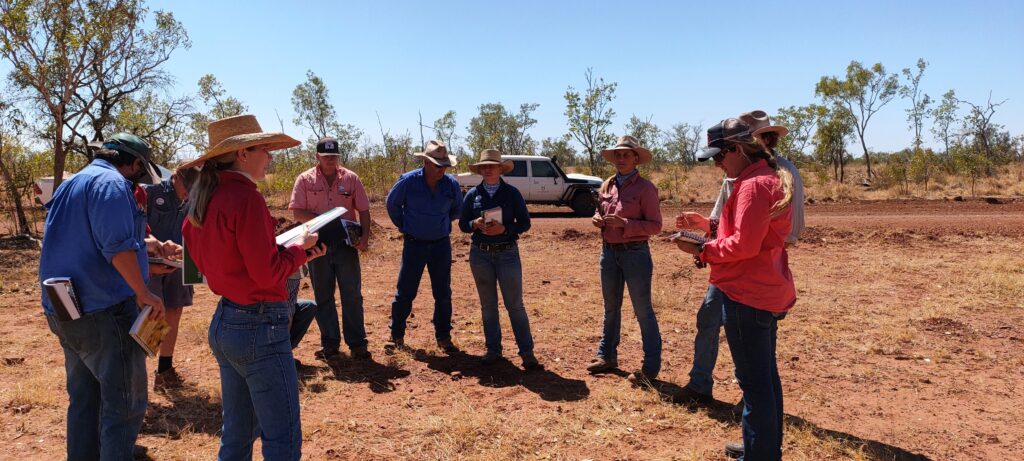
Despite these benefits, adoption remains limited. Many ranchers continue to fight what feels like a losing battle. Wyoming State Soil Scientist Jeff Goats warns that regenerative practices may be the “only hope of avoiding” the dystopian future imagined at the start of this story. Yet, according to the National Agricultural Statistics Survey, only 22 percent of cattle operations in Wyoming intensively use rotational grazing or similar sustainable management practices—even in areas highly susceptible to erosion.
The reason, Goats explains, is not resistance but a lack of education. A “significant gap exists” between what ranchers need to know about soil erosion on their land and the “information currently available to them”. Closing that gap may be the most critical step forward.
Winning the War

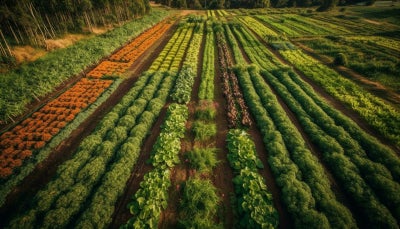
The future, then, is still unwritten. A century from now, the landscape could tell a different story — one of soft grass, flower beds, and gardens, where sunlight filters through leaves onto soil rich with life. In that world, humanity thrives not because people stood by and watched, but because agriculturists chose to fight for their land.
This book may be nearing its end, but the battle is just beginning. Rekindling a love for the land, embracing regenerative practices, and sharing knowledge may determine whether the final chapter describes collapse — or renewal.